
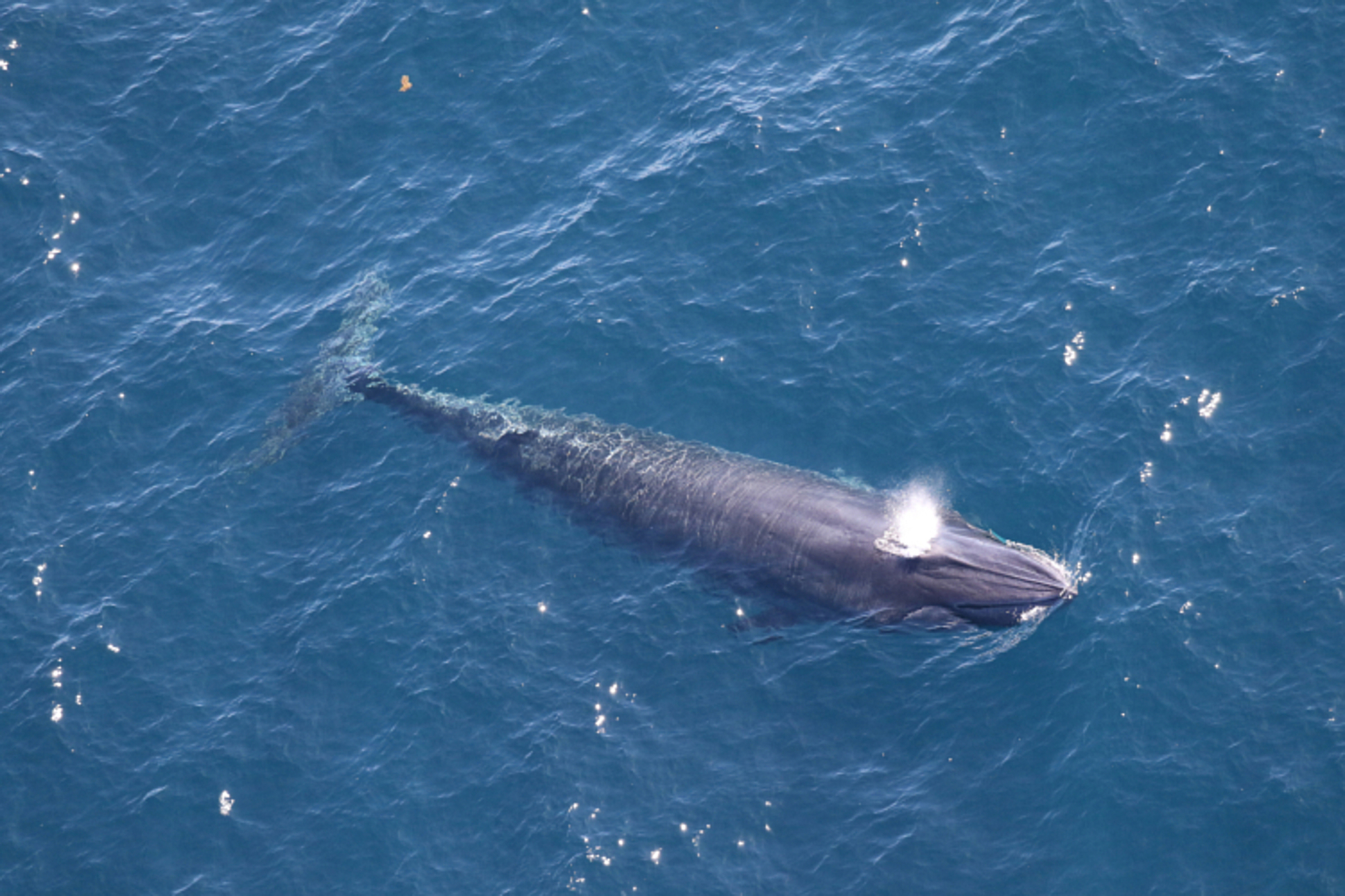
The Gulf’s Gentle Giants: A Species on the Brink
In the sun-drenched waters of the Gulf of Mexico, a silent drama unfolds. The Rice’s whale, one of the planet’s most endangered marine mammals, teeters on the precipice of extinction. With a population estimated at a mere 51 individuals, the species faces an existential threat that demands immediate and decisive action.
A Fragile Lifeline: The Endangered Species Act
Hope flickered in 2019 when the U.S. government, under the Endangered Species Act (ESA), officially listed Rice’s whales as endangered. This landmark legislation, renowned for its robust wildlife protection measures, prohibits actions that could harm or kill these animals. Moreover, it mandates that federal agencies, including those overseeing oil and gas leases, guarantee their activities don’t jeopardize the whale’s survival.
The ESA designation marked a crucial step, but its efficacy hinges on rigorous enforcement and a commitment to mitigating the threats these whales face. The primary threats include vessel strikes, noise pollution from oil and gas exploration, and entanglement in fishing gear.
Navigating Troubled Waters: Challenges and Controversies
Despite the ESA’s safeguards, conservation efforts have been fraught with challenges. The oil and gas industry’s presence in the Gulf poses a significant risk. Seismic surveys, which use loud airguns to map the seabed, create underwater noise pollution that can disrupt whale communication, feeding habits, and overall well-being. Vessel traffic increases the likelihood of collisions, often resulting in fatal injuries.
The future of Rice’s whales depends on a multi-pronged approach. Stronger regulations on vessel speeds in critical habitat areas, the development and implementation of quieter seismic survey technologies, and the reduction of plastic and fishing gear in the ocean are essential steps.
The clock is ticking for the Rice’s whale. Saving this species requires a collective effort from governments, industries, conservation organizations, and individuals. By prioritizing the protection of these gentle giants and their fragile ecosystem, we can ensure their survival for generations to come. Failure to act decisively will not only lead to the extinction of a unique species but also serve as a stark reminder of humanity’s impact on the natural world.
Based on materials: Vox



