
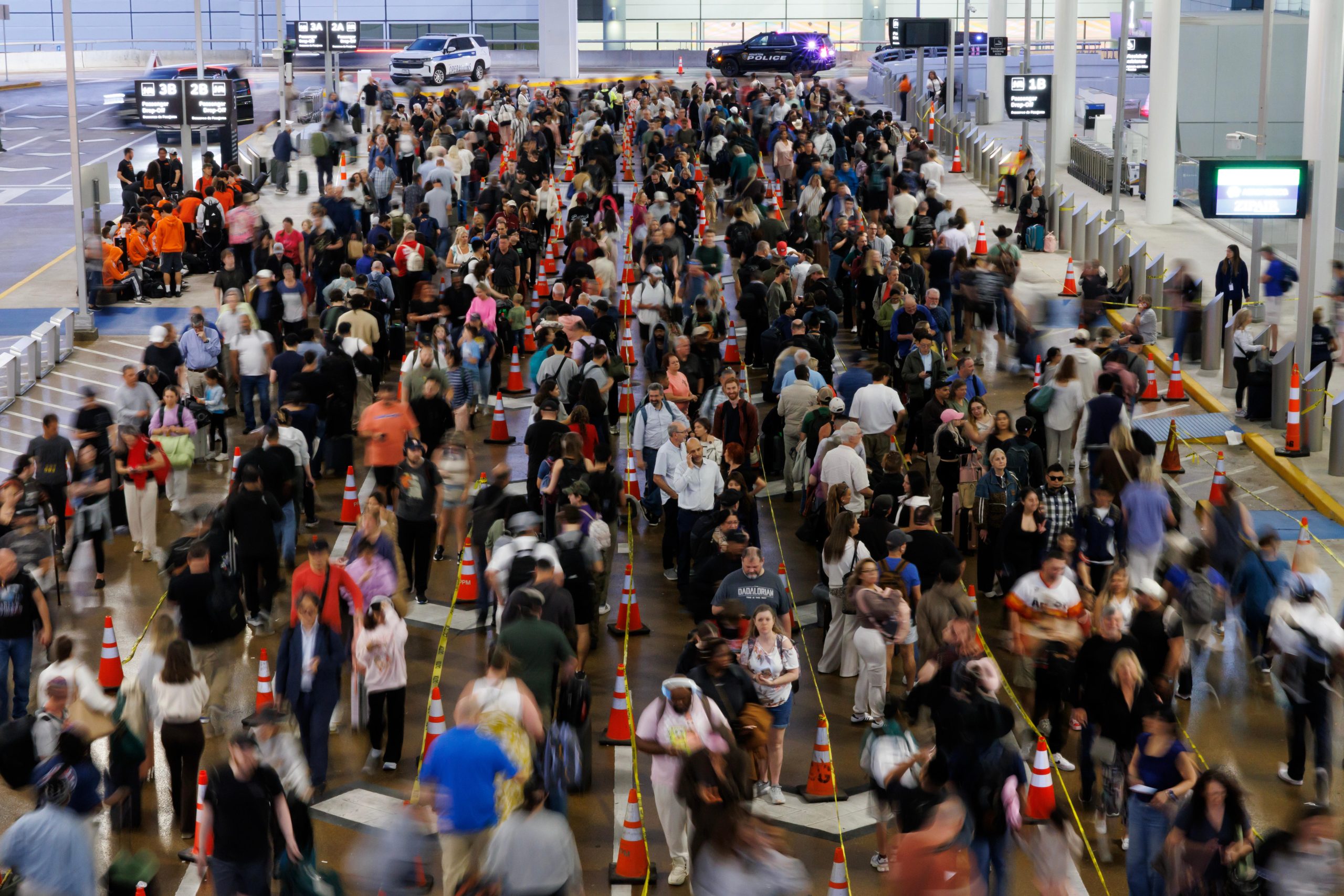
Sky High Stress: Navigating the Turbulence in US Air Travel
American air travel is facing significant turbulence. From shrinking legroom and rising fees to widespread delays and cancellations, passengers are increasingly feeling the strain. While recent reports suggest some easing in security line chaos, a deeper look reveals systemic challenges that demand attention and innovative solutions.
The Root Causes of the Crisis
The current state of affairs isn’t a sudden anomaly, but rather the culmination of several factors. Airlines have progressively diminished the passenger experience, packing more seats into planes, offering mediocre food options, and charging extra for almost every imaginable amenity. This cost-cutting approach, while boosting profits, has undeniably degraded the overall flying experience.
Beyond the diminishing comfort, operational challenges are exacerbating the problem. Staffing shortages, particularly among pilots and air traffic controllers, are contributing significantly to flight disruptions. Weather events, always a factor in air travel, seem to be having a more pronounced impact, leading to cascading delays and cancellations across the network. Furthermore, aging infrastructure at some airports and outdated air traffic control systems add to the complexity of the situation.
Finding Solutions in the Clouds
So, what can be done to improve the situation? One approach involves investing in infrastructure upgrades. Modernizing air traffic control systems and expanding airport capacity can alleviate bottlenecks and improve efficiency.
Another crucial aspect is addressing the staffing shortages. Airlines and the government need to collaborate on initiatives to attract and retain qualified personnel, including offering competitive salaries and benefits, and providing robust training programs.
Finally, airlines should prioritize passenger experience and operational resilience over short-term profits. This could involve re-evaluating seating configurations, improving customer service, and implementing proactive measures to mitigate disruptions.
Navigating the Future of Flight
While there’s no quick fix to the challenges facing American air travel, a multi-pronged approach focusing on infrastructure investment, workforce development, and a renewed commitment to passenger experience can pave the way for a smoother journey. Until then, travelers will likely continue to rely on their own resourcefulness to navigate the current turbulence.
Based on materials: Vox



