
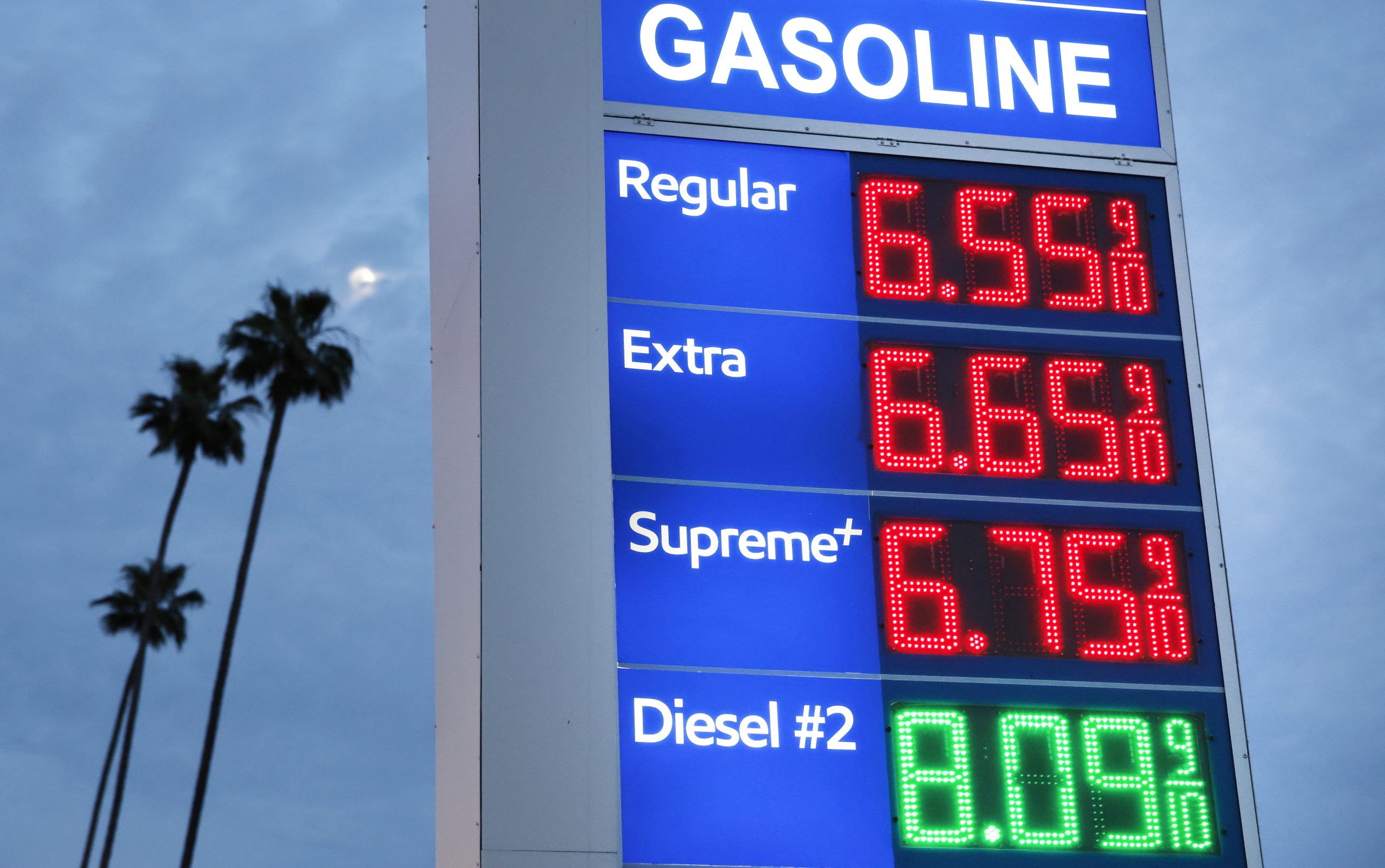
Trump’s Iran Standoff Fuels Gas Price Surge: $4 Barrier Broken
The escalating tensions between the United States and Iran, under the leadership of President Donald Trump, have triggered a significant rise in gasoline prices across the nation, hitting a high not seen in over three years. The national average for a gallon of gasoline surpassed $4 on Tuesday, marking the first time this threshold has been breached since August 2022. This surge, amounting to more than $1 per gallon since the commencement of the conflict, is impacting American consumers and raising concerns about the economic consequences of the ongoing geopolitical instability.
The Strait of Hormuz: A Critical Chokepoint
The primary driver behind this price hike is Iran’s strategic decision to restrict traffic through the Strait of Hormuz. This narrow waterway, a vital artery for global oil transportation, had previously facilitated the passage of approximately one-fifth of the world’s total oil supply. By effectively closing the Strait, Iran has significantly disrupted the global oil market, leading to supply shortages and, consequently, higher prices at the pump for American drivers.
Psychological Impact of Rising Gas Prices
While gasoline expenses may not represent the most substantial portion of the average American’s budget, they serve as a highly visible indicator of the overall cost of living. The psychological impact of rising gas prices can be significant, influencing consumer confidence and spending habits. This, in turn, can have broader implications for the economy, potentially dampening economic growth and exacerbating inflationary pressures. The timing of this price surge is particularly concerning, as it coincides with ongoing economic uncertainties and anxieties stemming from the broader geopolitical landscape.
A Complex Web of Geopolitics and Economics
The current situation underscores the intricate relationship between international relations and domestic economic well-being. President Trump’s confrontational approach towards Iran, while intended to exert pressure on the regime, has inadvertently created a scenario where American consumers are bearing the brunt of the economic fallout. As the conflict continues, the impact on gas prices and the broader economy remains a key concern for policymakers and the public alike. The situation highlights the need for a nuanced understanding of the global energy market and the potential consequences of geopolitical decisions on everyday life.
In conclusion, the recent surge in gas prices, fueled by the escalating tensions between the United States and Iran, presents a significant challenge for the Trump administration. The economic ramifications of this conflict, particularly the impact on American consumers, demand careful consideration and a strategic approach to mitigating the negative consequences. The events serve as a stark reminder of the interconnectedness of global politics and domestic economic stability.
Based on materials: Vox



