
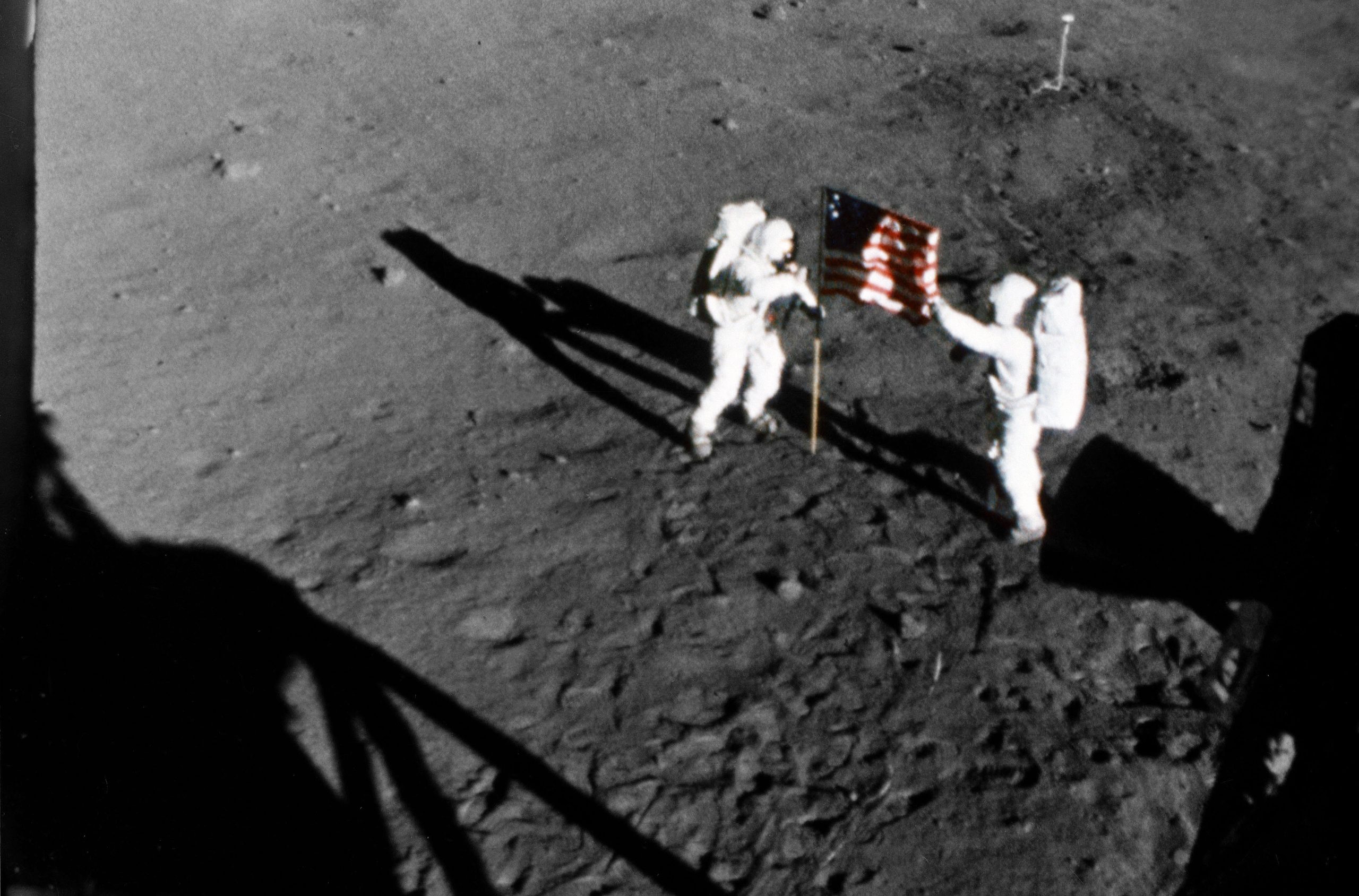
Artemis II: More Than Science, A Lunar Pilgrimage?
As NASA gears up for the Artemis II mission, set to send the first woman, Christina Koch, and the first person of color, Victor Glover, on a lunar journey, the narrative surrounding the mission extends beyond scientific exploration. While lauded as groundbreaking pioneers, the Artemis II crew are also stepping into a landscape increasingly shaped by corporate ambitions and, surprisingly, echoes of religious fervor.
The Corporate Moon Rush
Beyond the inspiring images of diverse astronauts venturing to the moon, a more pragmatic reality is taking shape. Private industry has played a crucial role in developing the spacecraft for the Artemis program, signaling a shift towards commercialization of space exploration. Companies are vying for lucrative government contracts with the ultimate goal of transforming the moon into a resource hub.
The concept of space mining, once relegated to science fiction, is now a tangible goal. These companies envision extracting resources, particularly rocket fuel, from the lunar surface, effectively turning the moon into a cosmic gas station. This ambition fuels the long-term vision of sending humanity further into the cosmos, with Mars as the next major target.
Echoes of Faith in Space Exploration
While the corporate motives are clear, some observers see a deeper, almost spiritual dimension to humanity’s renewed interest in the moon. Mary-Jane Rubenstein, a professor of religion and science, suggests that the drive to conquer space and establish a presence on other celestial bodies taps into fundamental human desires for transcendence and meaning.
She argues that the rhetoric surrounding space exploration often borrows from religious language, framing humanity’s journey into the stars as a divinely ordained mission or a quest for salvation. The idea of “humanity taking its self-appointed place in the stars” carries a weight that transcends mere scientific curiosity, resonating with ancient myths and religious narratives about humanity’s place in the universe. This perspective offers a compelling counterpoint to the purely scientific and economic justifications for lunar exploration.
Conclusion: A Complex Landscape
The Artemis II mission represents a pivotal moment in space exploration, blending scientific ambition, corporate interests, and perhaps even a touch of spiritual yearning. As humanity prepares to return to the moon, it’s crucial to acknowledge the multifaceted nature of this endeavor, recognizing that the motivations driving us to the stars are as complex and diverse as humanity itself. Whether it’s for scientific discovery, economic gain, or a deeper sense of purpose, the Artemis program marks the beginning of a new chapter in our relationship with the cosmos.
Based on materials: Vox



