
Supreme Court Hints at Upholding Birthright Citizenship
The U.S. Supreme Court recently heard oral arguments in
Trump v. Barbara
, a pivotal case challenging a controversial executive order issued by former President Donald Trump. The order, enacted on his first day back in office, sought to deny citizenship to children born in the United States to undocumented immigrants and certain individuals lawfully present but lacking permanent residency authorization. Early indications from the court suggest a reluctance to endorse such a sweeping change to established constitutional principles.
The Fourteenth Amendment at the Forefront
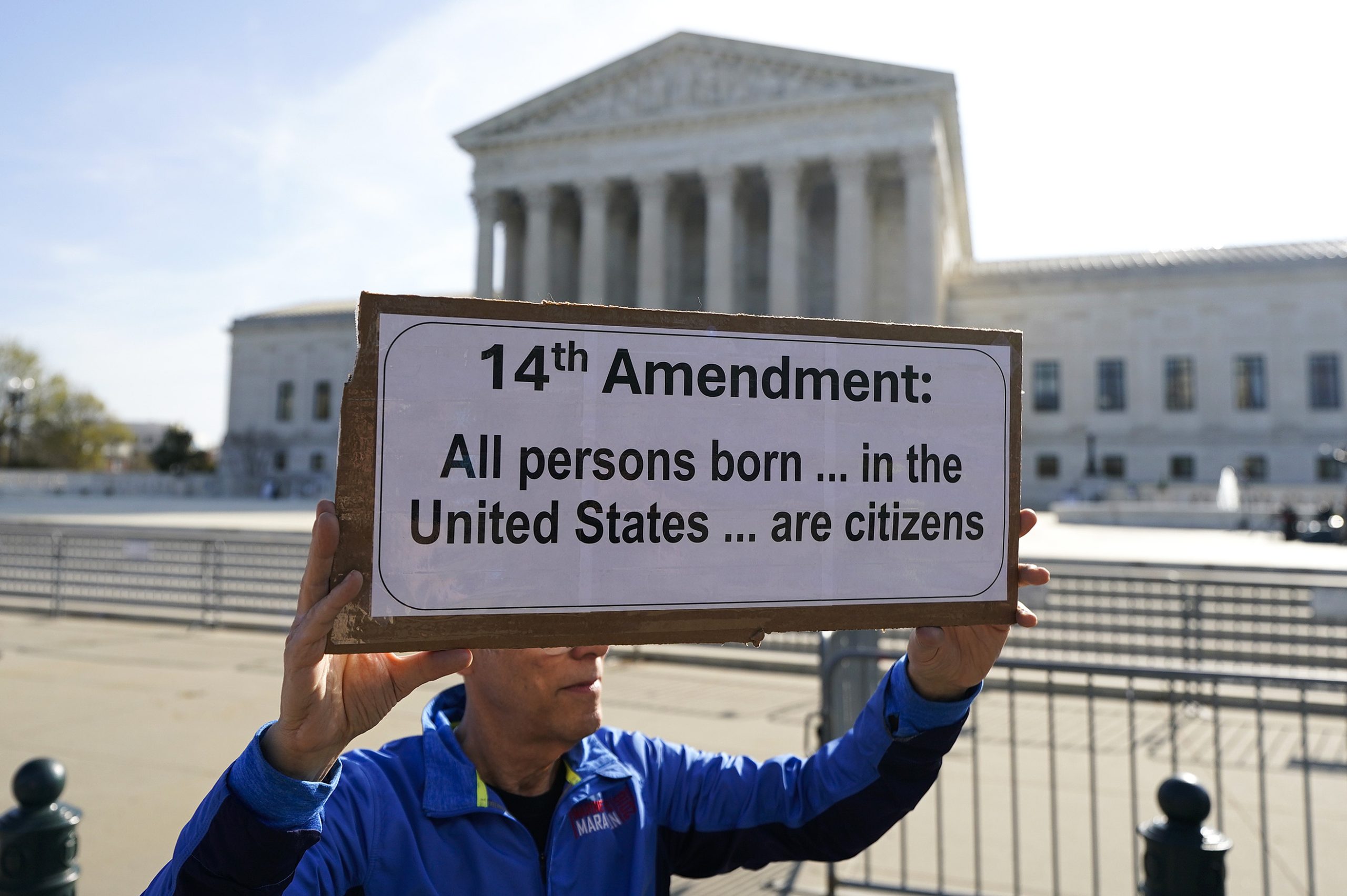
At the heart of the matter lies the Fourteenth Amendment to the U.S. Constitution, which explicitly states that all persons born or naturalized in the United States and subject to its jurisdiction are citizens. This “birthright citizenship” clause, also known as
jus soli
, has been a cornerstone of American identity for over a century. Trump’s executive order directly challenges this established interpretation, arguing for a narrower reading that excludes children of undocumented immigrants.
Legal experts and constitutional scholars have widely criticized the executive order as a clear overreach of presidential authority. The Constitution grants Congress, not the President, the power to regulate immigration and naturalization. Furthermore, historical precedent and Supreme Court jurisprudence strongly support the broad interpretation of the Fourteenth Amendment’s citizenship clause. During oral arguments, several justices appeared skeptical of the government’s legal arguments, raising concerns about the potential for arbitrary and discriminatory application of the executive order.
Implications and Future Outlook
If the Supreme Court ultimately rejects Trump’s executive order, it would reaffirm the long-standing principle of birthright citizenship and prevent a potentially chaotic disruption to immigration law. A ruling in favor of the challengers would also send a clear message about the limits of executive power and the importance of upholding constitutional guarantees.
However, even if the court strikes down this particular order, the debate over birthright citizenship is unlikely to disappear. The case highlights the ongoing tension between competing visions of national identity and immigration policy. The composition of the Supreme Court and the political climate ensure that these issues will remain at the forefront of American legal and political discourse for years to come.
In conclusion, while the Supreme Court’s final decision remains uncertain, the oral arguments in
Trump v. Barbara
suggest that the justices are wary of overturning established constitutional principles. The case serves as a crucial test of the Fourteenth Amendment and a reminder of the enduring importance of birthright citizenship in American society.
Based on materials: Vox



