
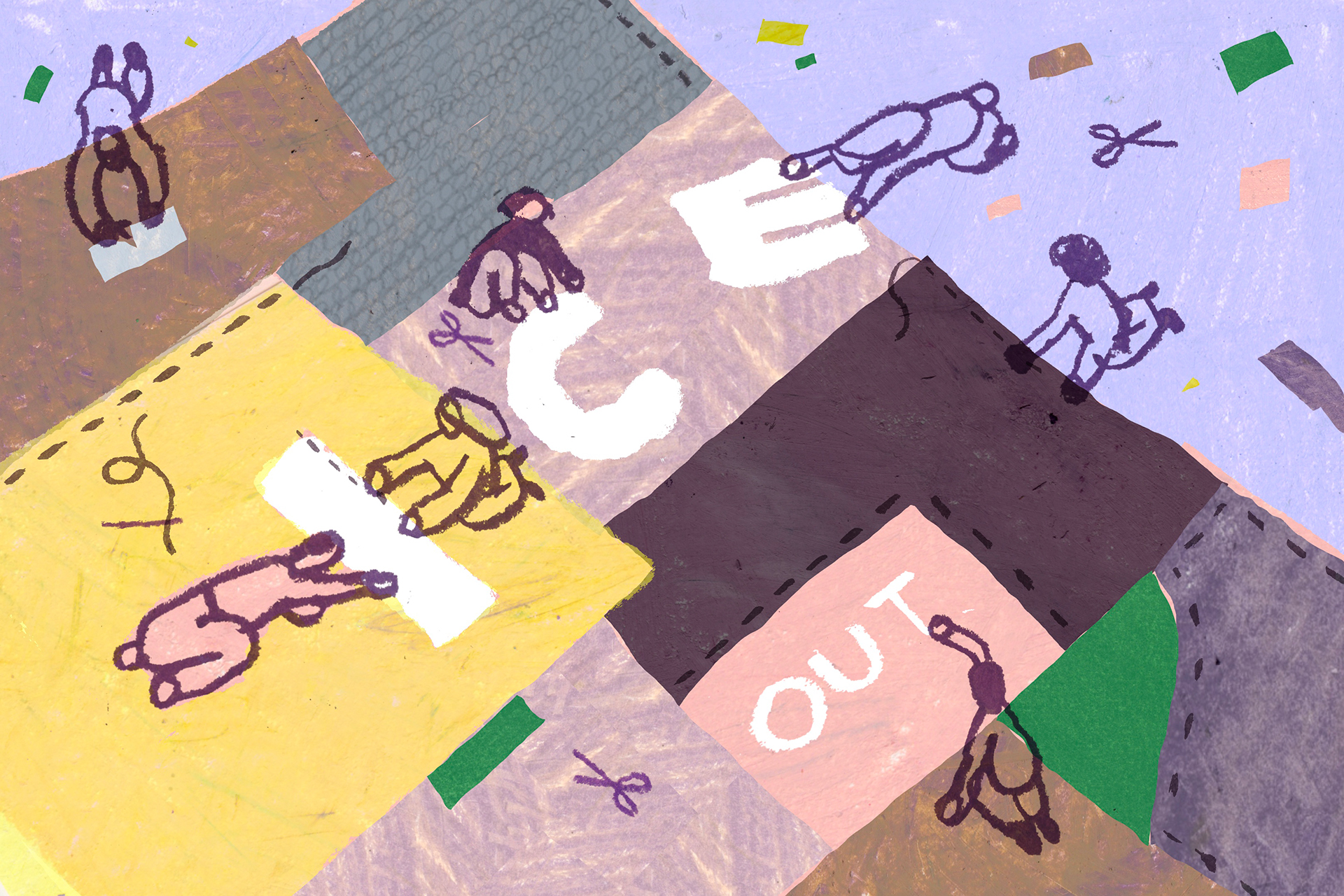
Yarn Bombs and Ballots: Craftivism’s Unexpected Political Power
In an era defined by stark political divisions and anxieties, an unlikely form of resistance is quietly gaining momentum: craftivism. From knitting circles to quilting bees, everyday acts of creativity are being transformed into powerful tools for social and political change. But can a humble needle and thread truly challenge the forces of nationalism and division?
From Pussyhats to Purposeful Protest
The resurgence of craftivism can be traced back to the 2017 Women’s March, where the iconic “pussyhats” became a symbol of resistance against the newly inaugurated Trump administration. As Catherine Paul, an artist and knitter, recalls, “I just knitted pink hats like there was no tomorrow.” While these hats initially represented a unified front, they soon faced criticism for being exclusionary and failing to represent the concerns of diverse communities.
However, the spirit of using craft as a form of protest persisted. With the rise of increasingly divisive political rhetoric and policies, craftivism has evolved beyond simple symbolic gestures. Today, knitters, quilters, and other artisans are channeling their skills into tangible acts of resistance, creating art that raises awareness, supports marginalized communities, and challenges oppressive systems.
More Than Just a Hobby: Craft as Community and Change
Craftivism’s power lies not only in its visual impact but also in its ability to foster community and dialogue. Knitting circles and quilting groups provide safe spaces for individuals to connect, share their experiences, and collectively address social issues. These gatherings become incubators for ideas, strategies, and tangible actions.
Furthermore, craftivism offers a unique form of engagement that transcends traditional political activism. By creating something beautiful and meaningful, participants can express their values, challenge injustice, and inspire others to take action. Whether it’s knitting blankets for refugees, creating protest banners with intricate embroidery, or using nail art to raise awareness about social issues, craftivism empowers individuals to make a difference in their own unique way.
A Stitch in Time Saves the Nation?
While some may dismiss craftivism as a frivolous or ineffective form of protest, its potential for impact should not be underestimated. In a world saturated with information and increasingly polarized, the quiet power of craft can cut through the noise and resonate with individuals on a personal level.
By transforming everyday skills into tools for social change, craftivists are weaving a tapestry of resistance that is both beautiful and powerful. As we navigate an era of uncertainty and division, the humble act of creating may be one of the most effective ways to reclaim our agency, build community, and fight for a more just and equitable world.
Based on materials: Vox



