
Trump’s Anti-“Woke” Crusade Accidentally Boosts Global Health
In a surprising twist, the Trump administration’s relentless pursuit of anti-“woke” policies has inadvertently led to a potentially significant boost for global health initiatives in Africa. Driven by a desire to dismantle what they perceive as an overly influential “NGO industrial complex,” the administration has negotiated bilateral health deals that grant African governments greater autonomy in allocating billions of dollars in aid. But is this a calculated move, or a fortunate byproduct of a broader ideological agenda?
Dismantling the “NGO Industrial Complex”
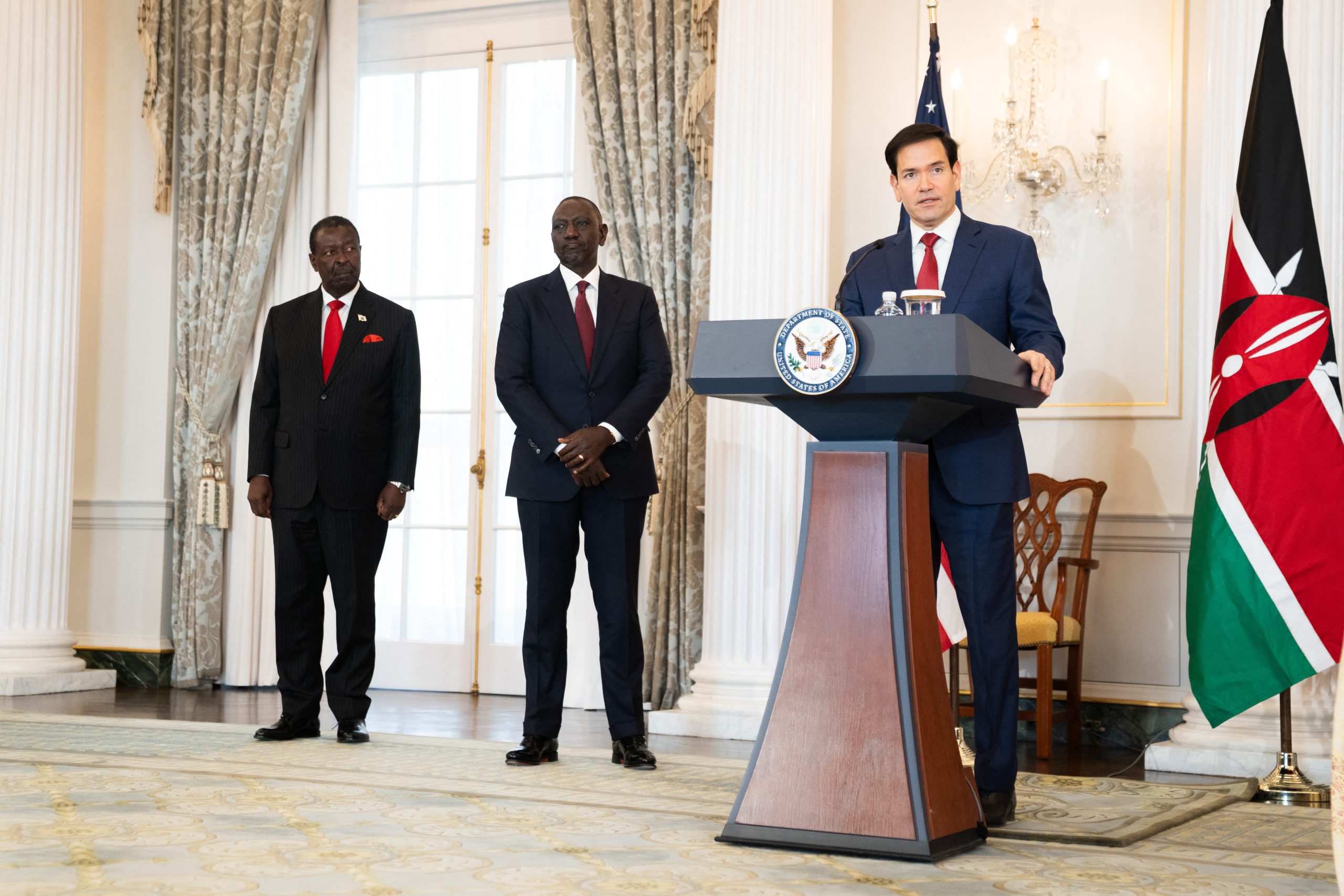
Fueled by rhetoric against the perceived overreach of non-governmental organizations (NGOs), figures like Secretary of State Marco Rubio have spearheaded efforts to reshape U.S. foreign aid. This involved, according to the source material, directives that contributed to the deaths of hundreds of thousands of people, and railing against the “NGO industrial complex.” This phrase, ironically echoing criticisms of non-profits from radical feminist circles, signifies a desire to shift power away from international organizations and towards direct government-to-government partnerships.
Billions in Unrestricted Aid
The outcome of this shift is a series of bilateral health agreements that provide African governments with substantial financial resources and, crucially, greater control over how those resources are spent. Unlike traditional aid models that often dictate specific programs and initiatives, these deals allow recipient countries to determine their own health priorities and allocate funds accordingly. This newfound autonomy has the potential to empower local leaders to address the most pressing health challenges in their communities more effectively.
A Double-Edged Sword?
While this approach may seem beneficial, it also raises concerns. Without the oversight of established NGOs, there is a risk of corruption or mismanagement of funds. Furthermore, some argue that the expertise and infrastructure of international organizations are essential for tackling complex health issues. Whether this gamble will pay off remains to be seen.
Unintended Consequences, Potential Benefits
The Trump administration’s actions present a complex and perhaps contradictory scenario. While motivated by a desire to dismantle the “NGO industrial complex” and push back against perceived “wokeness,” the resulting bilateral health deals could ultimately lead to more effective and locally driven health initiatives in Africa. It will be crucial to monitor the implementation and impact of these agreements to determine whether this unconventional approach to foreign aid yields positive results or unintended negative consequences. Whether accidental or intentional, the devolution of power could be a powerful new approach to global health.
Based on materials: Vox



