
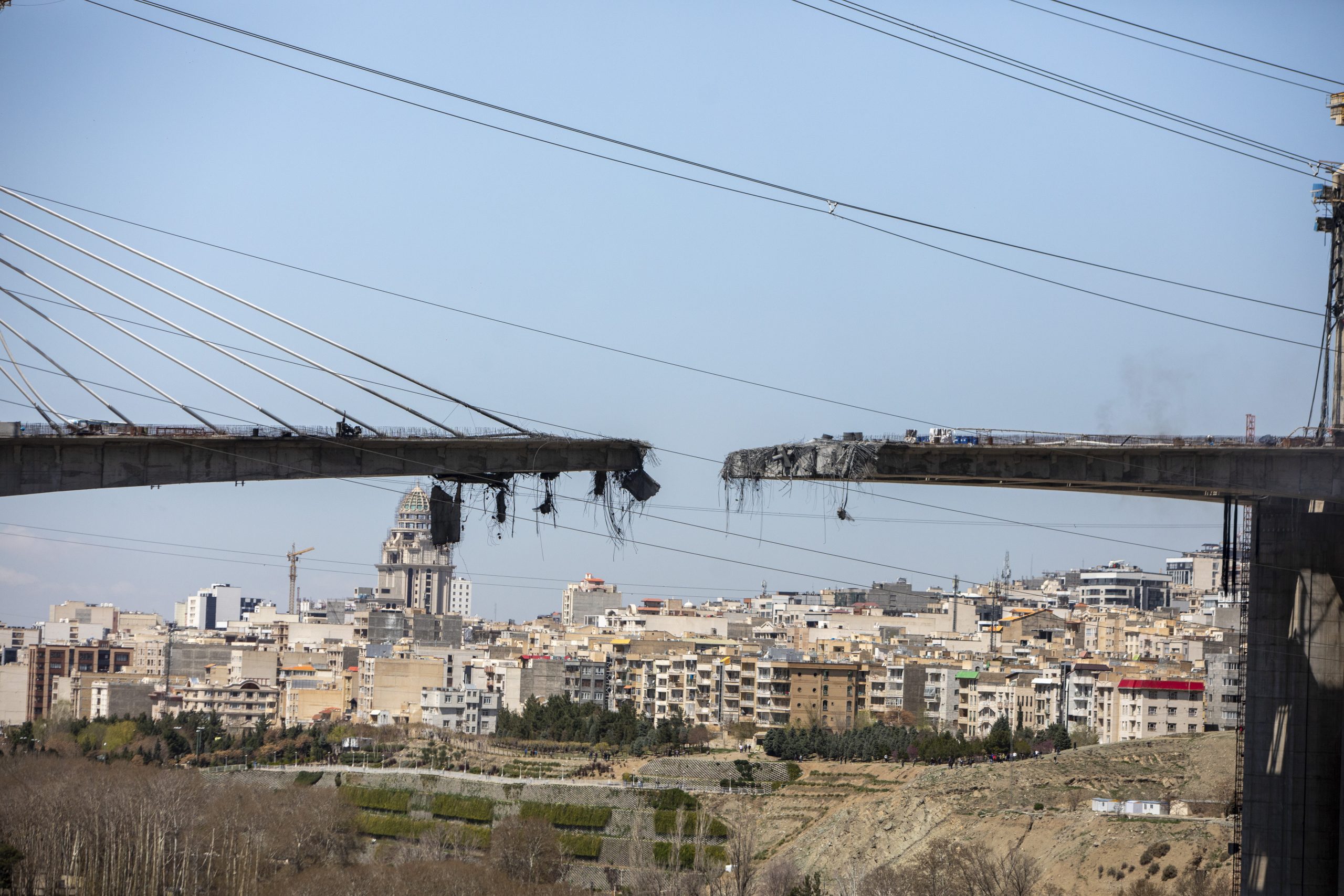
Former President Donald Trump has once again ignited controversy with a fiery online tirade directed at Iran, raising serious questions about international law and the potential for escalating conflict in the already volatile Middle East. In a recent post on Truth Social, Trump demanded that Iran “open the fuckin’ strait” – presumably the Strait of Hormuz – by a specific deadline, or face the consequences of having its infrastructure targeted.
This isn’t the first time Trump has threatened Iran. He has previously suggested targeting key infrastructure like bridges, power plants, desalination plants, and the Kharg Island oil export facility. These threats, particularly those aimed at facilities vital to civilian survival, have drawn sharp criticism and raised concerns about potential war crimes.
Defining a War Crime: Targeting Civilian Infrastructure
The crux of the issue lies in the definition of a war crime under international law. Targeting infrastructure that directly provides essential services to the civilian population, such as water and electricity, is a clear violation of the laws of war. While Trump has attempted to justify his threats by accusing Iranian leaders of being “animals” responsible for countless deaths, this justification does not negate the potential illegality of targeting civilian infrastructure.
The intentional targeting of civilian infrastructure is prohibited under the Geneva Conventions and the Rome Statute of the International Criminal Court. The principle of distinction requires that military attacks be directed only at military objectives and that civilians and civilian objects must be protected. While there can be legitimate military targets within a country, the widespread destruction of infrastructure that sustains civilian life goes against the core tenets of international humanitarian law.
The Strait of Hormuz: A Strategic Chokepoint
The Strait of Hormuz is a strategically vital waterway, connecting the Persian Gulf to the Gulf of Oman and the Arabian Sea. A significant portion of the world’s oil supply passes through this narrow strait, making it a crucial artery for global energy markets. Any disruption to traffic through the Strait could have significant economic consequences.
Trump’s demand that Iran “open the strait” suggests a desire to ensure the free flow of oil, but his threats of infrastructure destruction raise serious concerns about the proportionality and legality of his proposed actions. While the U.S. has a legitimate interest in maintaining stability in the region and ensuring the unimpeded flow of commerce, the threat of targeting civilian infrastructure is a dangerous and potentially illegal approach.
A Dangerous Game of Brinkmanship
Trump’s latest outburst serves as a stark reminder of his unconventional and often provocative approach to foreign policy. While his supporters may view his rhetoric as a display of strength and resolve, critics argue that it is reckless and irresponsible, increasing the risk of miscalculation and unintended escalation. Whether it’s a calculated strategy or simply impulsive bluster, Trump’s threats against Iran are playing a dangerous game of brinkmanship with potentially devastating consequences.
SOURCE: Vox
Based on materials: Vox



