
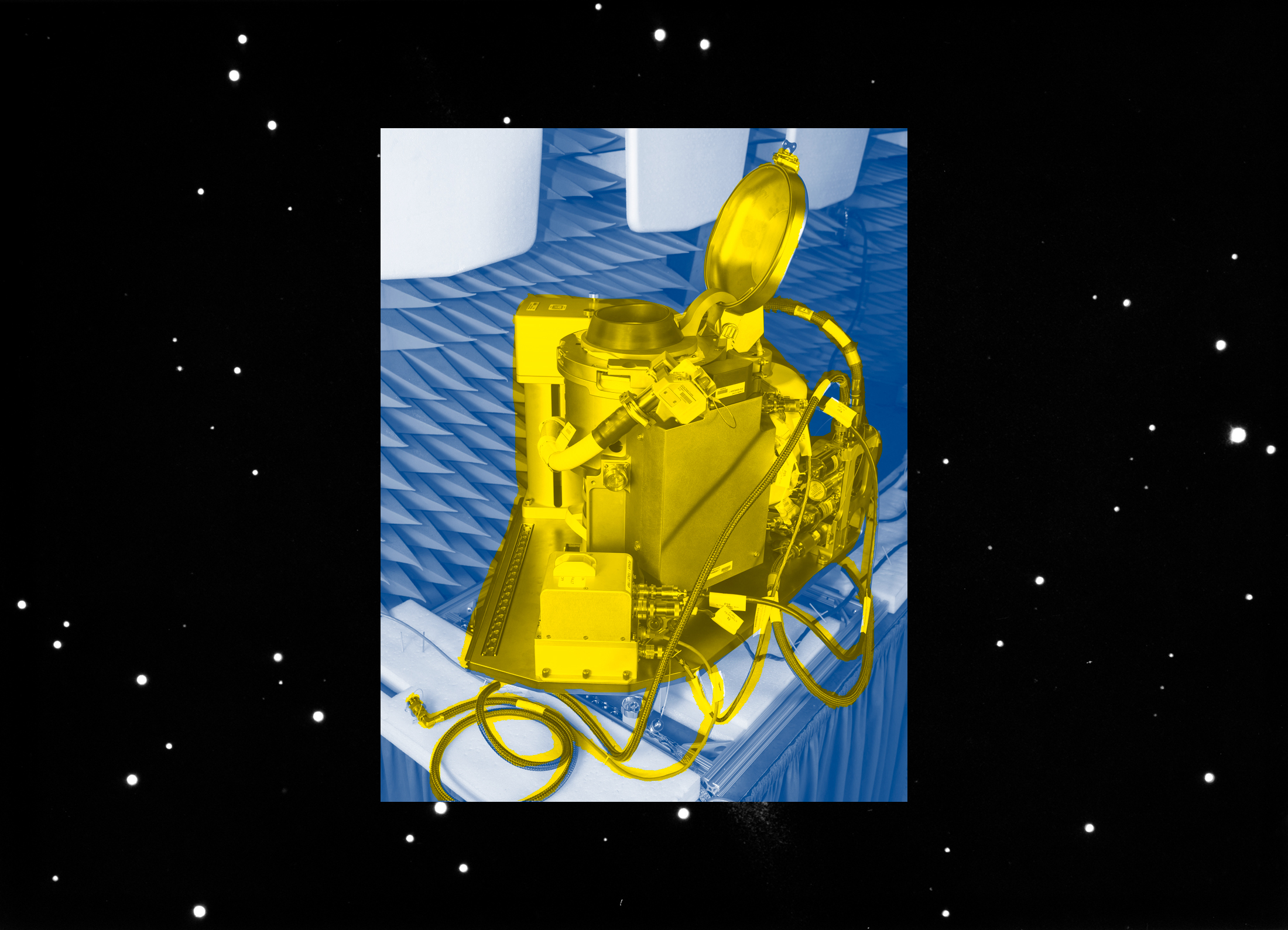
The Artemis II mission is boldly going where no toilet has gone before, marking a significant, if somewhat unglamorous, milestone in space exploration. While the mission’s historical significance – carrying the farthest humans have ever traveled, and including the first Black woman and Canadian astronaut to orbit the moon – is undeniable, the inclusion of a fully functional toilet is equally noteworthy. This isn’t just about hygiene; it’s about addressing a fundamental human need in the harsh environment of space, and the technological challenges that come with it.
The Gravity of the Situation: Why Space Toilets Matter
For decades, space agencies have grappled with the intricacies of waste management in zero gravity. Early solutions were often rudimentary and far from comfortable. However, as space missions become longer and more ambitious, the need for efficient and hygienic waste disposal systems becomes paramount. The Artemis II mission’s toilet, integrated into the Orion spacecraft, represents a significant leap forward in this area. The Universal Waste Management System (UWMS) is designed to handle both liquid and solid waste effectively, minimizing odor and preventing the spread of bacteria – crucial factors for maintaining astronaut health and morale during extended missions.
From Malfunction to Mission Success
The initial reports from the astronauts aboard Orion highlighted a minor malfunction with the toilet system shortly after launch. While this might seem like a setback, it underscores the importance of real-world testing and the ability to quickly troubleshoot issues in space. The swift resolution of the problem demonstrates the ingenuity and adaptability of the mission team, reinforcing the crucial role of redundancy and repair capabilities in long-duration spaceflights.
Beyond Artemis: Paving the Way for Future Exploration
The data gathered from the Artemis II toilet system will be invaluable for designing future waste management systems for lunar habitats and deep-space missions to Mars and beyond. Efficient and reliable life support systems, including waste management, are essential for enabling sustainable human presence in space. The Artemis II mission, therefore, is not only a historic moment in space exploration but also a crucial step towards establishing a permanent human foothold beyond Earth. By addressing the mundane yet vital aspects of space travel, like where to go to the bathroom, we are paving the way for a future where space is not just visited, but inhabited.
CONCLUSION:
The inclusion of an advanced toilet system on the Artemis II mission highlights the critical role of addressing fundamental human needs in space exploration. While the mission’s broader goals capture the public’s imagination, the success of the toilet system, and the lessons learned from any challenges encountered, will have a significant impact on future space missions and the long-term viability of human space travel. It is a reminder that even the most seemingly basic aspects of life must be carefully considered when venturing beyond our planet.
Based on materials: Vox



