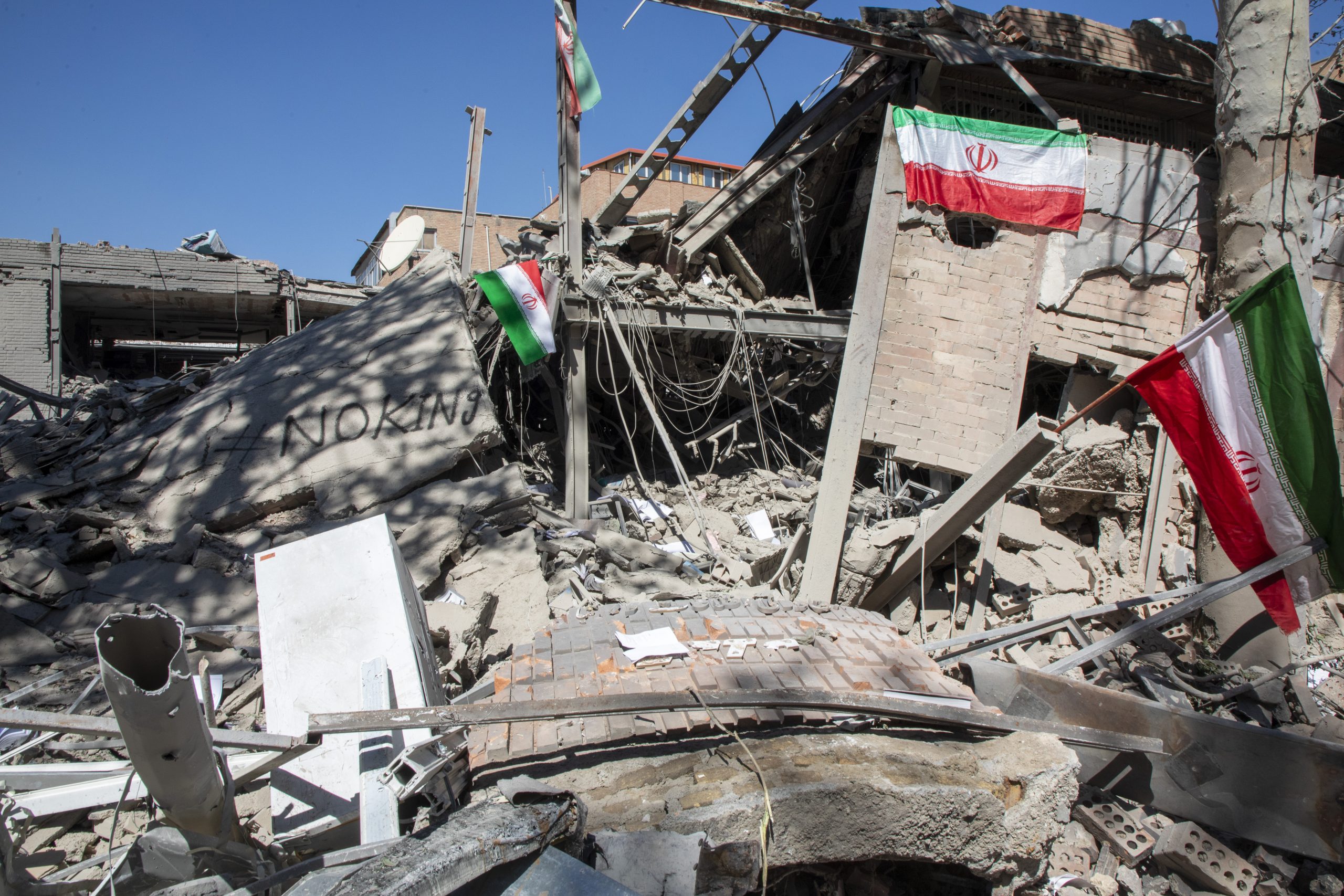
Iran Conflict: Echoes of Iraq Haunt Trump’s Foreign Policy
Is history repeating itself? As tensions simmer between the U.S. and Iran, unsettling parallels are being drawn to the 2003 invasion of Iraq, raising concerns about another protracted and potentially disastrous military entanglement in the Middle East. The similarities, while not exact, are prompting experts to question whether the Trump administration is repeating the mistakes of the past.
Dominance and Shifting Objectives
Like the lead-up to the Iraq War, the current situation with Iran features a display of overwhelming American military power. The U.S. possesses a clear conventional advantage, leaving little doubt about its capacity to inflict significant damage. However, the objectives remain murky. What began as a response to alleged Iranian aggression has seemingly morphed into a broader effort to contain Iran’s regional influence, a goal that lacks a clear definition or achievable endpoint. This ambiguity, reminiscent of the shifting justifications for the Iraq War, raises concerns about mission creep and open-ended commitment.
A President’s Desire for “Mission Accomplished”
Perhaps the most alarming parallel is the perceived eagerness of the U.S. president to declare victory and disengage, regardless of the actual situation on the ground. Just as President George W. Bush prematurely announced “Mission Accomplished” in Iraq, there are indications that President Trump is keen to claim success in containing Iran, even if the underlying issues remain unresolved. This rush to the exit could lead to a power vacuum, instability, and the resurgence of extremist groups, similar to the chaotic aftermath of the Iraq invasion. As Dexter Filkins, a veteran war correspondent, noted, there’s a disturbing sense of “déjà vu,” hinting at a potentially repeating cycle of conflict and unintended consequences.
Beyond the Surface: Key Differences
While the similarities are striking, crucial differences exist. The scale of military involvement in Iran is currently far smaller than the 2003 invasion of Iraq. Furthermore, the international coalition supporting action against Iran is weaker, with many traditional allies expressing reservations about the U.S. approach. These factors could limit the scope of any potential conflict and reduce the risk of a full-scale occupation. However, they also highlight the potential for isolation and a lack of international support for long-term stabilization efforts.
Conclusion: A Cautious Approach Is Needed
The echoes of Iraq should serve as a cautionary tale for policymakers navigating the complex relationship with Iran. While military strength is undeniable, a clear and achievable strategy, coupled with a commitment to long-term stability, is crucial to avoid repeating the mistakes of the past. The rush to declare victory without addressing the underlying causes of conflict could lead to another costly and protracted entanglement in the Middle East, with potentially devastating consequences for the region and the world.
Based on materials: Vox