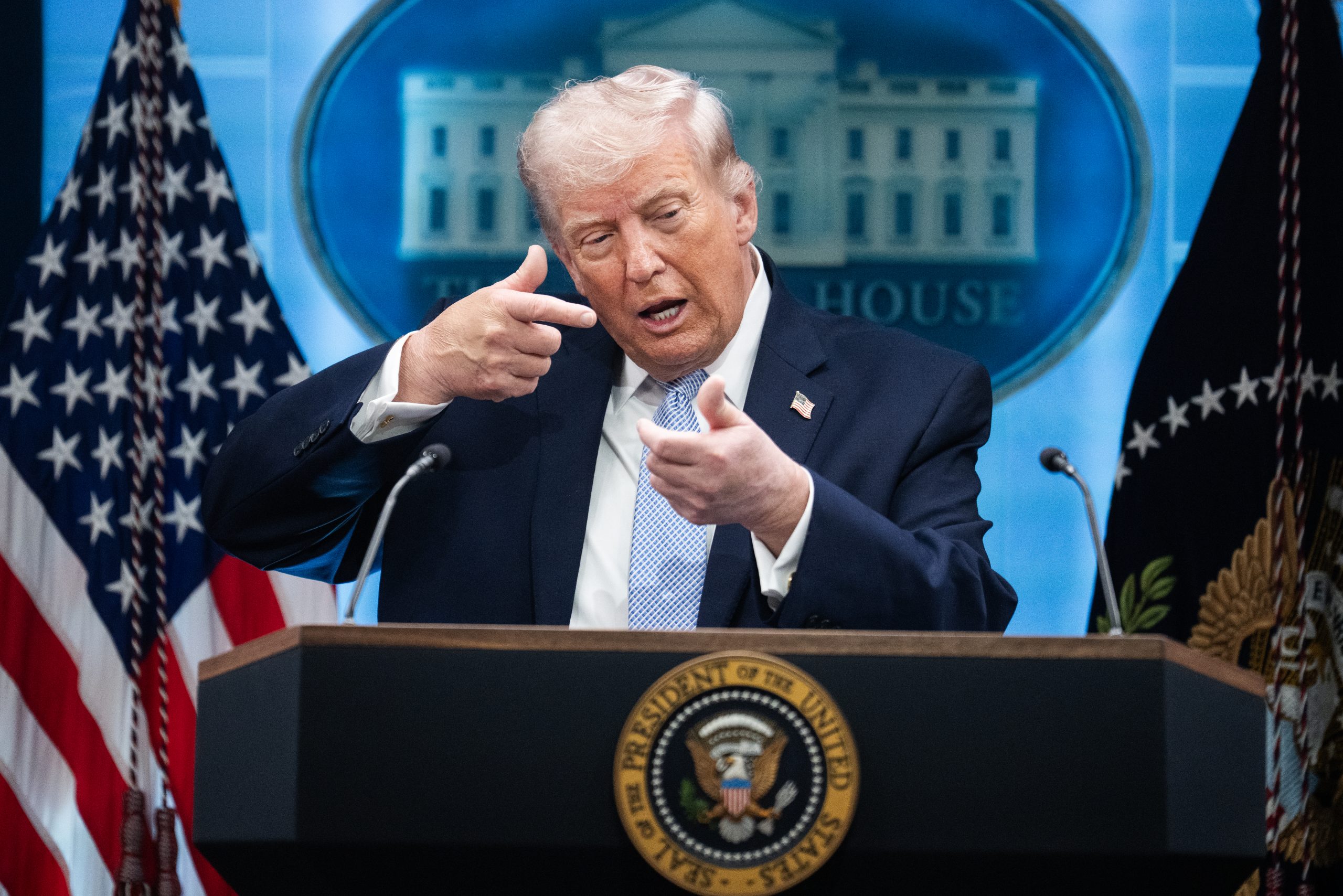
25th Amendment: Tool for Removing a President Gains Traction
The 25th Amendment to the U.S. Constitution, a relatively obscure provision designed to address presidential disability and succession, is once again in the spotlight. Calls for its invocation, particularly in response to concerns about a president’s fitness for office, have resurfaced, highlighting the ongoing debate about presidential power and accountability.
What is the 25th Amendment?
Ratified in 1967 in the wake of President John F. Kennedy’s assassination and concerns about presidential succession, the 25th Amendment outlines the procedures for presidential disability and the filling of vacancies in the office of Vice President. Section 4 of the amendment is particularly relevant to the current discussion. It allows for the removal of a president if the Vice President and a majority of the Cabinet determine that the president is unable to discharge the powers and duties of their office. This section has never been invoked to remove a president.
The Amendment in the Trump Era
Throughout Donald Trump’s presidency, the 25th Amendment became a recurring topic of conversation. Critics, including Democratic lawmakers, raised concerns about Trump’s temperament, decision-making, and overall fitness for office, arguing that his actions warranted consideration of invoking Section 4. According to NBC News, over 70 Democratic lawmakers urged the Cabinet to consider the amendment after Trump threatened to “wipe out a whole civilization” in Iran. While the calls for invocation have not been successful, the fact that they have been made at all underscores the deep divisions and anxieties surrounding the presidency in recent years. Interestingly, even some figures on the far right, like Marjorie Taylor Greene, Alex Jones, and Candace Owens, have echoed these sentiments, demonstrating a wider, albeit fragmented, unease.
Challenges and Implications
Invoking the 25th Amendment is a complex and politically charged process. It requires the Vice President and a majority of the Cabinet to agree on the president’s inability to serve, a decision that would likely be met with fierce resistance and legal challenges. Furthermore, the amendment’s language regarding “inability” is open to interpretation, making it difficult to apply in practice. Despite these challenges, the 25th Amendment serves as a crucial safeguard, providing a mechanism for addressing situations where a president is demonstrably unfit to lead. The ongoing discussions surrounding its use highlight the importance of having clear and effective procedures for ensuring presidential accountability and stability in times of crisis.
In conclusion, while invoking the 25th Amendment remains a remote possibility, the renewed attention it has received underscores the ongoing concerns about presidential power and the importance of having mechanisms in place to address potential crises of leadership. The debates surrounding the amendment serve as a reminder of the delicate balance of power within the U.S. government and the enduring need for vigilance in safeguarding the Constitution.
Based on materials: Vox