
The Shifting Sands of Skilled Labor: Is the College Premium Fading?
For generations, a college degree has been touted as the golden ticket to upward mobility, a shield against economic hardship, and a guaranteed entry into the coveted realm of “high-skill” professions. But is this long-held belief starting to crumble under the weight of automation, evolving labor markets, and increasingly precarious employment conditions? Some analysts argue that the traditional advantages afforded to college graduates are diminishing, forcing them to confront a new reality of downward mobility and economic uncertainty.
The Rise of Automation and the Erosion of Class Distinctions
The core of this argument lies in the accelerating pace of automation. Corporations are increasingly leveraging technology to replace human labor, not just in manufacturing and manual tasks, but also in white-collar roles that once seemed immune to disruption. This trend is blurring the lines between skilled and unskilled labor, as machines take over tasks previously performed by highly educated professionals.
As a result, many college graduates find themselves facing a challenging job market where their qualifications are no longer a guarantee of success. Some are forced to accept lower-paying, less prestigious jobs, while others cling to their “high-skill” positions only by enduring increasingly exploitative work conditions, such as stagnant wages, reduced benefits, and a relentless pressure to perform.
Echoes of Marx: A New Proletariat?
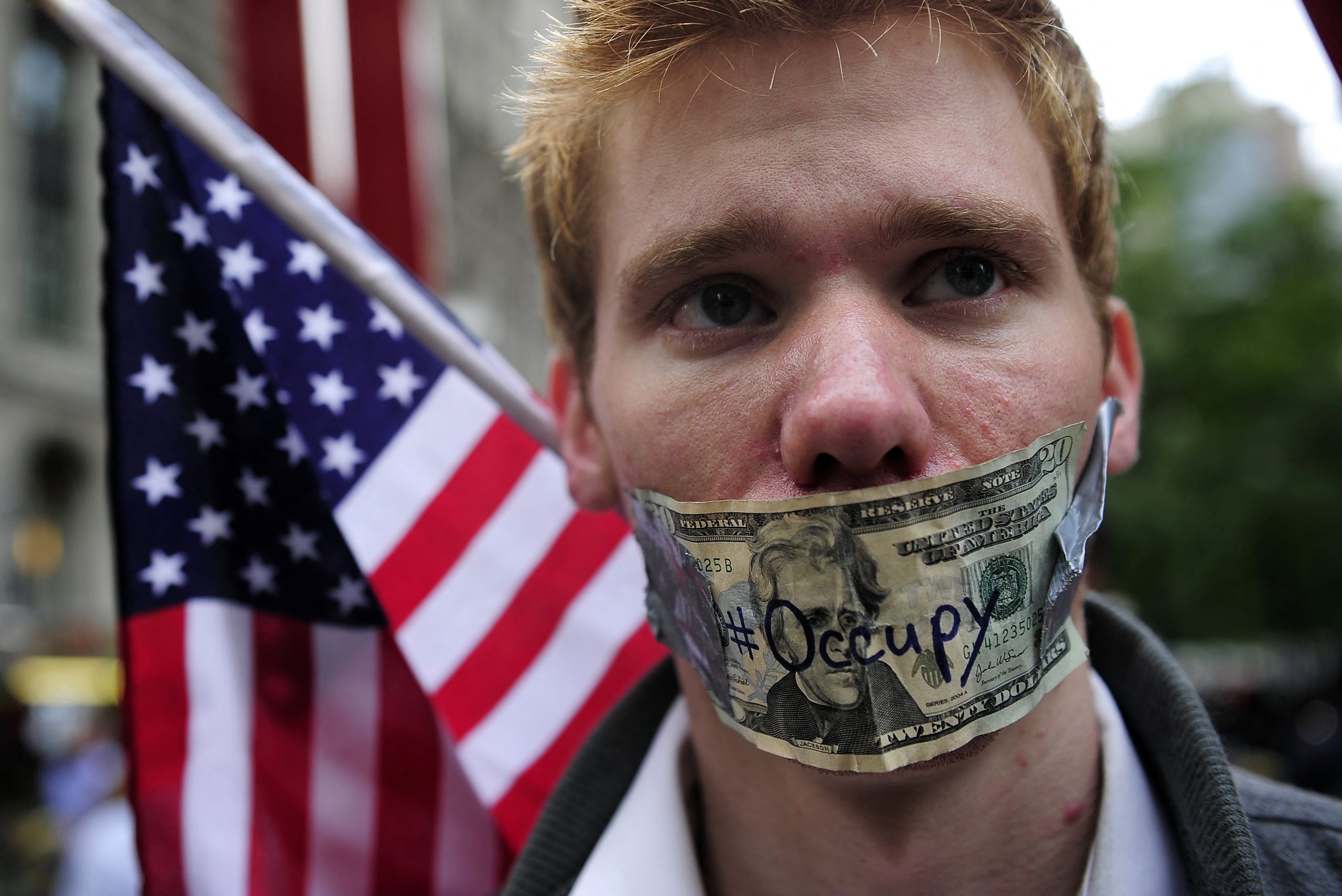
This changing economic landscape is prompting some to draw parallels to Karl Marx’s theories about the proletariat. As the perceived value of their skills declines, some argue that highly educated workers are beginning to identify more with the broader working class, shifting their political focus from individual advancement to collective action and systemic change. Instead of seeking incremental reforms, they are demanding fundamental shifts in the economic power structure.
This potential shift in mindset could have significant implications for the future of work and politics. If a growing number of college graduates feel economically disenfranchised, they may become a powerful force for social and political change, challenging the established order and demanding a more equitable distribution of wealth and opportunity.
Navigating the New Reality
The debate surrounding the declining fortunes of college graduates is complex and multifaceted. While a college degree still holds significant value in many fields, it’s clear that the economic landscape is evolving rapidly. To navigate this new reality, individuals need to adapt by continuously upskilling, developing in-demand expertise, and embracing a more entrepreneurial mindset. Furthermore, policymakers and educators must address the root causes of economic inequality and create pathways to sustainable and fulfilling employment for all. The future of work is uncertain, but by acknowledging the challenges and embracing proactive solutions, we can ensure that the promise of upward mobility remains within reach for future generations.
Based on materials: Vox



