
Austin’s Rent Plunge: A Glimpse Into America’s Housing Future?
Amidst a constant stream of gloomy headlines regarding housing affordability, a surprising trend is emerging: rents are actually declining in several U.S. cities. While this might seem like a minor blip, the situation in Austin, Texas, offers a particularly compelling case study, potentially signaling shifts in the broader American housing market.
The Cooling Trend: National Rent Declines
According to recent data from Apartment List, the national median rent experienced a 1.7% year-over-year decrease last month. This marks the most significant annual decline since the company began tracking rental data in 2017. After rents skyrocketed during the pandemic, this cooling trend provides a welcome respite for renters struggling with affordability.
Austin’s Dramatic Drop: A Unique Case
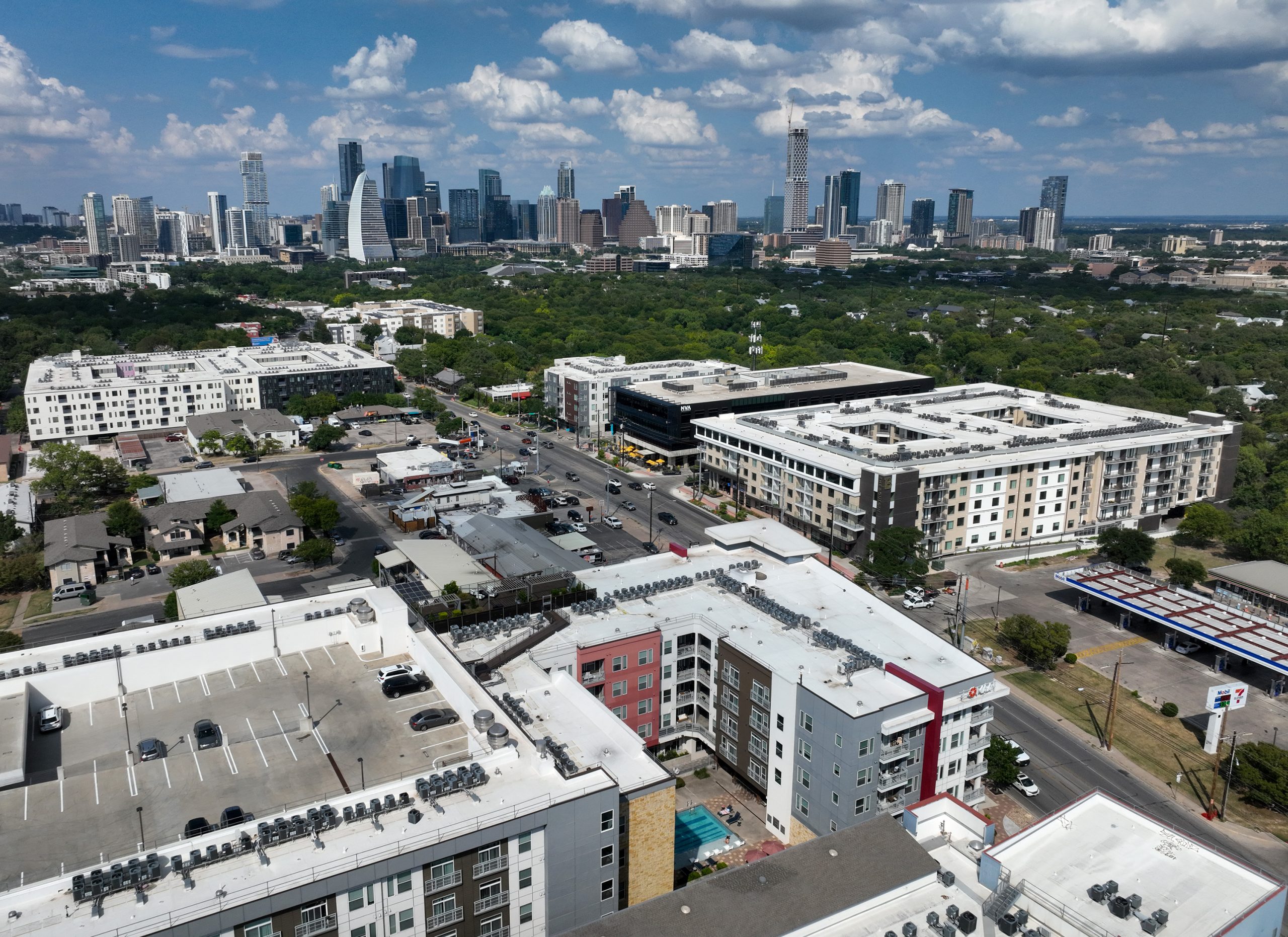
Leading this trend is Austin, Texas, where rents have plummeted by a remarkable 6% over the past year – the largest decrease among major U.S. metropolitan areas. The median rent in Austin now hovers around $1,274, effectively returning to pre-pandemic levels. When adjusted for inflation, this translates to significantly cheaper rents than those seen in 2019.
This dramatic shift in Austin is attributed to several factors. A surge in new apartment construction has increased housing supply, easing pressure on demand. The city’s rapid growth, fueled by the tech industry and a desirable lifestyle, may also be showing signs of moderating, further impacting rental prices.
Implications for the National Housing Market
Austin’s experience offers a potential glimpse into the future of housing affordability across the nation. While the circumstances in Austin are unique, the underlying principles of supply and demand apply to housing markets everywhere. Increased construction activity and a potential slowdown in population growth could contribute to similar rental declines in other cities.
However, it is important to note that housing affordability remains a complex issue. Factors such as rising interest rates, inflation, and income inequality continue to pose significant challenges. While declining rents offer a glimmer of hope, sustained efforts are needed to address the underlying causes of the housing crisis and ensure that affordable housing is accessible to all.
In conclusion, the rent decline in cities like Austin is a welcome development in a challenging housing market. While it’s premature to declare a nationwide trend, Austin’s experience highlights the potential for increased housing supply to alleviate affordability pressures. It also serves as a reminder that housing markets are dynamic and subject to a range of economic and demographic forces.
Based on materials: Vox



