
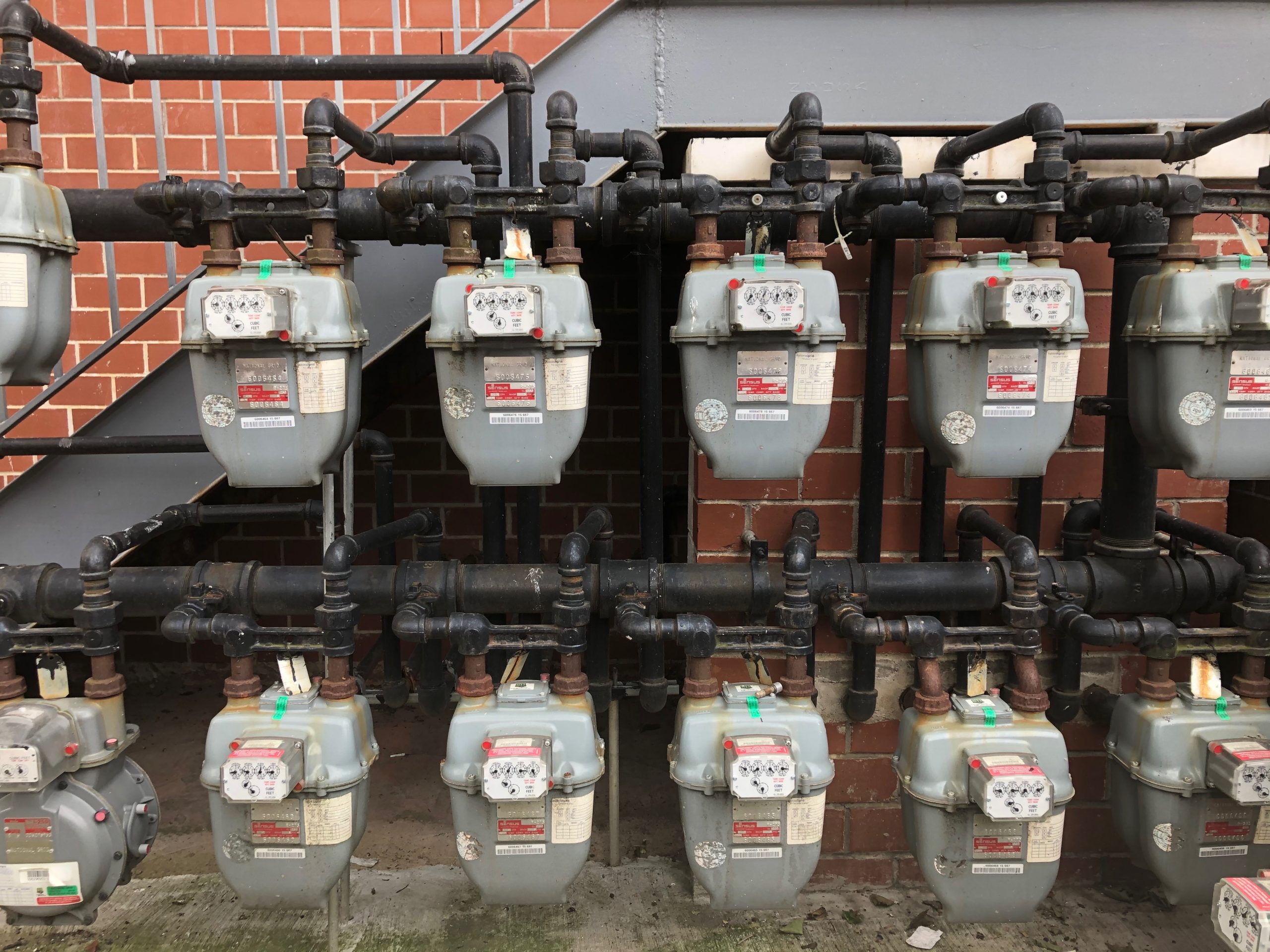
Gas Bill Shock: Why Infrastructure, Not Just Fuel, Drives Up Costs
Frustrated by soaring gas bills? You’re not alone. While headlines often point to cold snaps or geopolitical conflicts as the culprits, a deeper, more systemic issue is at play. A recent report by the Building Decarbonization Coalition reveals that the primary driver of rising gas utility bills isn’t just the price of natural gas itself, but the escalating costs of maintaining and replacing aging infrastructure. This shift has profound implications for consumers and the future of energy.
The Infrastructure Culprit
For years, the price of natural gas was the biggest factor in your monthly gas bill. However, that dynamic has changed dramatically. According to the Building Decarbonization Coalition’s report, infrastructure costs now account for approximately 70% of customer bills, dwarfing the 30% attributed to the gas itself in 2024. This means that even if the price of natural gas remains stable or even decreases, your bill could still rise due to the continuous investment needed to maintain the existing gas system.
Kristin Bagdanov, co-author of the report, aptly describes infrastructure as “the sleeper culprit” behind these relentlessly increasing bills. Decades of underinvestment and deferred maintenance are now coming due, forcing utilities to undertake costly pipeline replacements and system upgrades. These costs are then passed directly on to consumers, leaving many struggling to afford basic heating and cooking.
Decarbonization Dilemma
The irony is that this infrastructure spending is occurring at a time when many cities and states are actively pursuing decarbonization goals. As communities transition away from fossil fuels towards renewable energy sources, the long-term viability of the gas system comes into question. Investing heavily in gas infrastructure now could create stranded assets in the future, further burdening consumers with unnecessary costs.
This raises critical questions about how to fairly and effectively manage the energy transition. Should utilities continue to invest in expensive gas infrastructure projects, or should resources be redirected towards cleaner, more sustainable alternatives? Finding a balance between ensuring reliable energy access and achieving climate goals is a complex challenge that requires careful planning and collaboration between policymakers, utilities, and consumers.
Conclusion: A Call for Sustainable Solutions
The rising cost of gas bills is a symptom of a larger problem: an aging infrastructure system and a need for a more sustainable energy future. As infrastructure costs continue to climb, consumers will increasingly bear the brunt of these expenses. It’s crucial to explore alternative solutions, such as investing in energy efficiency programs, promoting electrification, and developing renewable energy sources. Only by addressing the root causes of rising gas bills can we create a more affordable, reliable, and environmentally sound energy system for all.
Based on materials: Vox



