
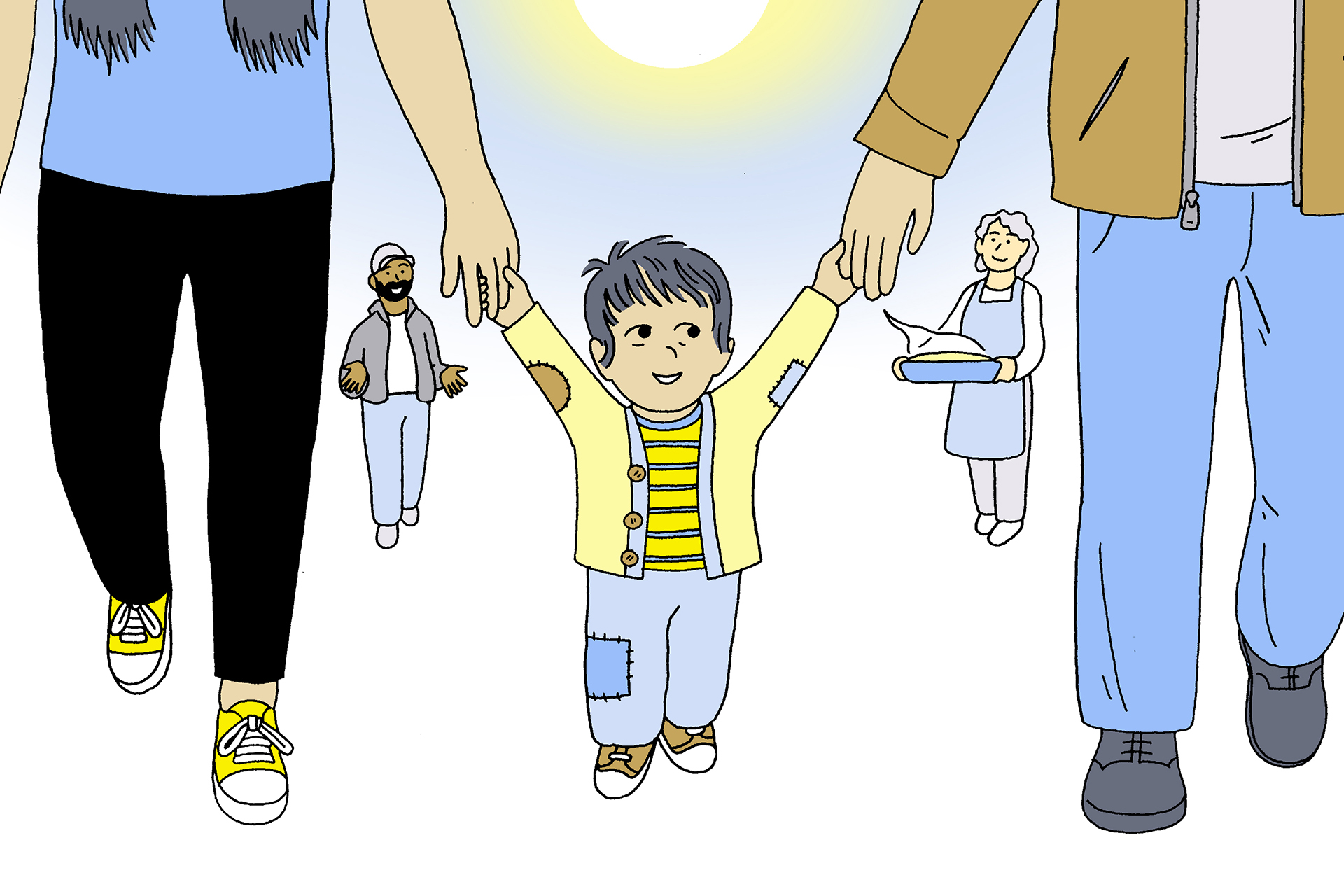
The question of whether one can afford to have a child is a timeless one, fraught with emotion and complex financial considerations. In an era of rising costs and economic uncertainty, this dilemma is felt more acutely than ever, particularly for families already relying on government assistance. Recently, an advice column tackled this very issue, prompting a broader conversation about the financial realities of parenthood.
The Balancing Act: Love vs. Finances
The reader’s predicament highlights the tension between the desire for a larger family and the responsibility of providing for existing children. She and her husband, despite working and building a business, are still reliant on government support to make ends meet. The yearning for another child, coupled with the biological clock ticking, clashes with the financial strain they are already experiencing. This scenario is far from unique. Many families grapple with similar concerns, weighing the immeasurable value of a child against the tangible costs of raising one.
Government Assistance and Ethical Considerations
The ethical dimension of relying on government assistance while considering expanding the family adds another layer of complexity. Is it responsible to bring another child into a household already dependent on public funds? This question sparks debate, with some arguing that everyone deserves the right to have children, regardless of their financial situation, while others emphasize the potential burden on taxpayers and the well-being of the child. The reality is there is no easy answer.
Beyond the Bottom Line: Defining “Affordability”
Ultimately, the decision of whether or not to have a child is deeply personal. While financial stability is undoubtedly important, it’s not the only factor to consider. Love, support, and a stable home environment are equally crucial. Furthermore, “affordability” is a subjective term. Some families thrive on a tight budget, prioritizing experiences and emotional well-being over material possessions. Others may feel that financial security is paramount for raising a child. It’s essential for couples to have open and honest conversations about their values, priorities, and expectations before making such a life-altering decision. They must create a financial plan and be honest about what type of sacrifices they are willing to make.
CONCLUSION:
The question “Am I too poor to have a baby?” underscores the intricate interplay between love, responsibility, and financial realities. While there’s no universal answer, the conversation highlights the need for greater societal support for families, as well as open and honest dialogue about the true costs and rewards of parenthood.
Based on materials: Vox



