
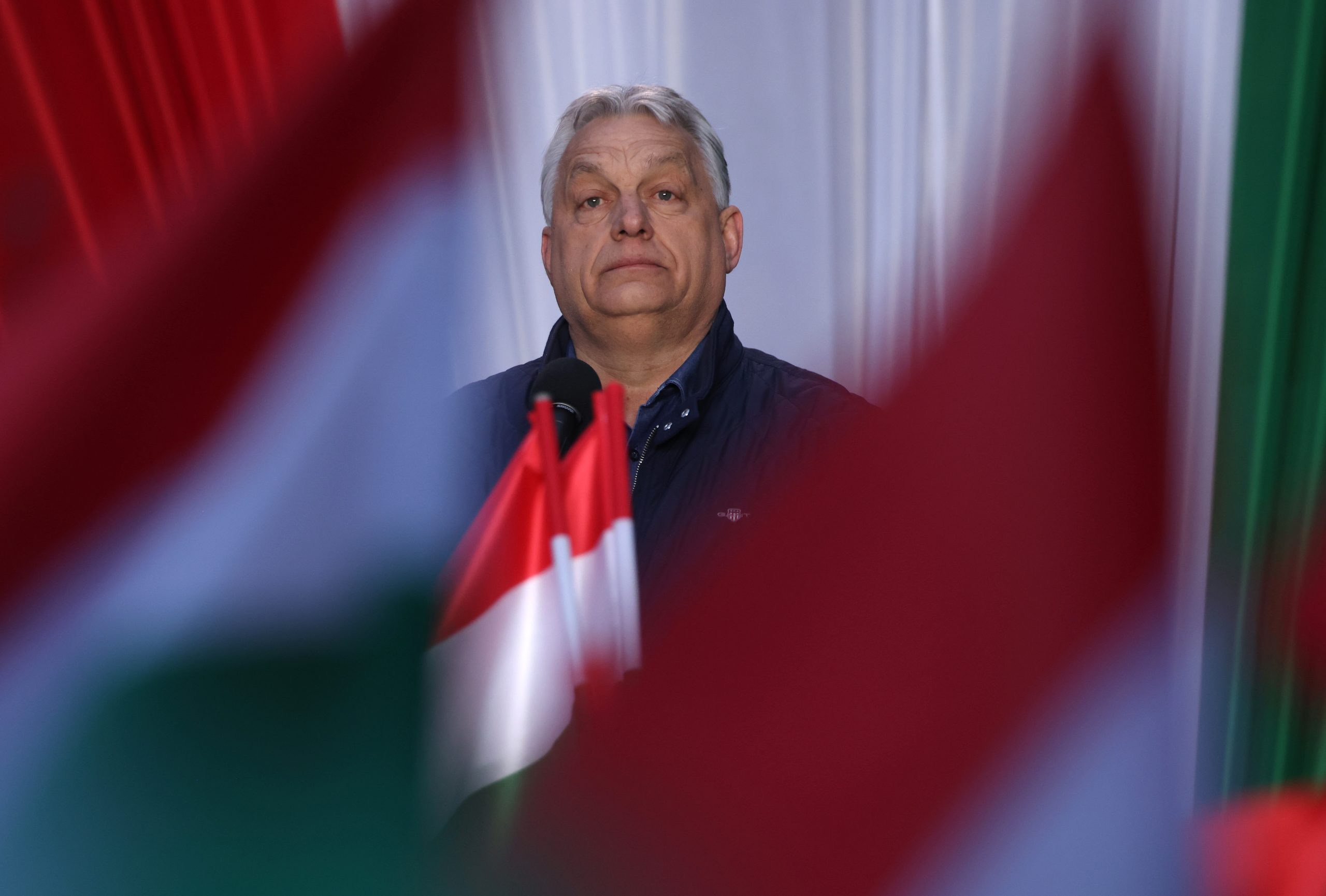
Orbán Out? Rising Star Unseats Hungary’s Longtime Leader
In a stunning political upset, Viktor Orbán, Hungary’s Prime Minister for the past fourteen years, has conceded defeat to the newly formed Tisza party, led by Péter Magyar. The Sunday election results mark the first time Orbán’s Fidesz party has lost an election in two decades, sending shockwaves through Hungarian politics and the European Union. Magyar, a relative newcomer to the political scene, managed to tap into widespread discontent with Orbán’s increasingly autocratic rule, promising a new era of transparency and accountability.
A System Stacked Against Change
Orbán’s long tenure was not solely based on popular support. Following his 2010 victory, Fidesz implemented a series of electoral reforms that critics argue heavily favored the ruling party. These changes included redrawing electoral districts, tightening media control, and placing loyalists in key positions within the electoral system. Many observers believed these measures made it virtually impossible for the opposition to mount a credible challenge. Magyar’s victory, therefore, is all the more remarkable, highlighting the depth of public frustration.
Magyar’s Rise: A Testament to Public Discontent
Péter Magyar’s success can be attributed to several factors. Firstly, he effectively capitalized on growing concerns about corruption, economic inequality, and the erosion of democratic institutions under Orbán’s leadership. His message of change resonated with a broad spectrum of Hungarian voters, including those who had previously supported Fidesz. Secondly, Magyar demonstrated exceptional political acumen, navigating the complex Hungarian political landscape and building a coalition of support that spanned ideological divides. Finally, his victory reflects the Hungarian population’s yearning for a more open and democratic society.
What’s Next for Hungary and Europe?
The implications of this election are significant, both for Hungary and the broader European Union. Orbán’s government has often been a thorn in the side of the EU, challenging its policies on issues ranging from immigration to rule of law. Magyar’s victory could signal a shift towards closer alignment with European values and a more constructive relationship with Brussels. However, the transition of power is likely to be complex, and the composition of the new government remains to be seen. The coming months will be crucial in determining the future direction of Hungary and its role within the European Union.
SOURCE: Vox
Based on materials: Vox



