
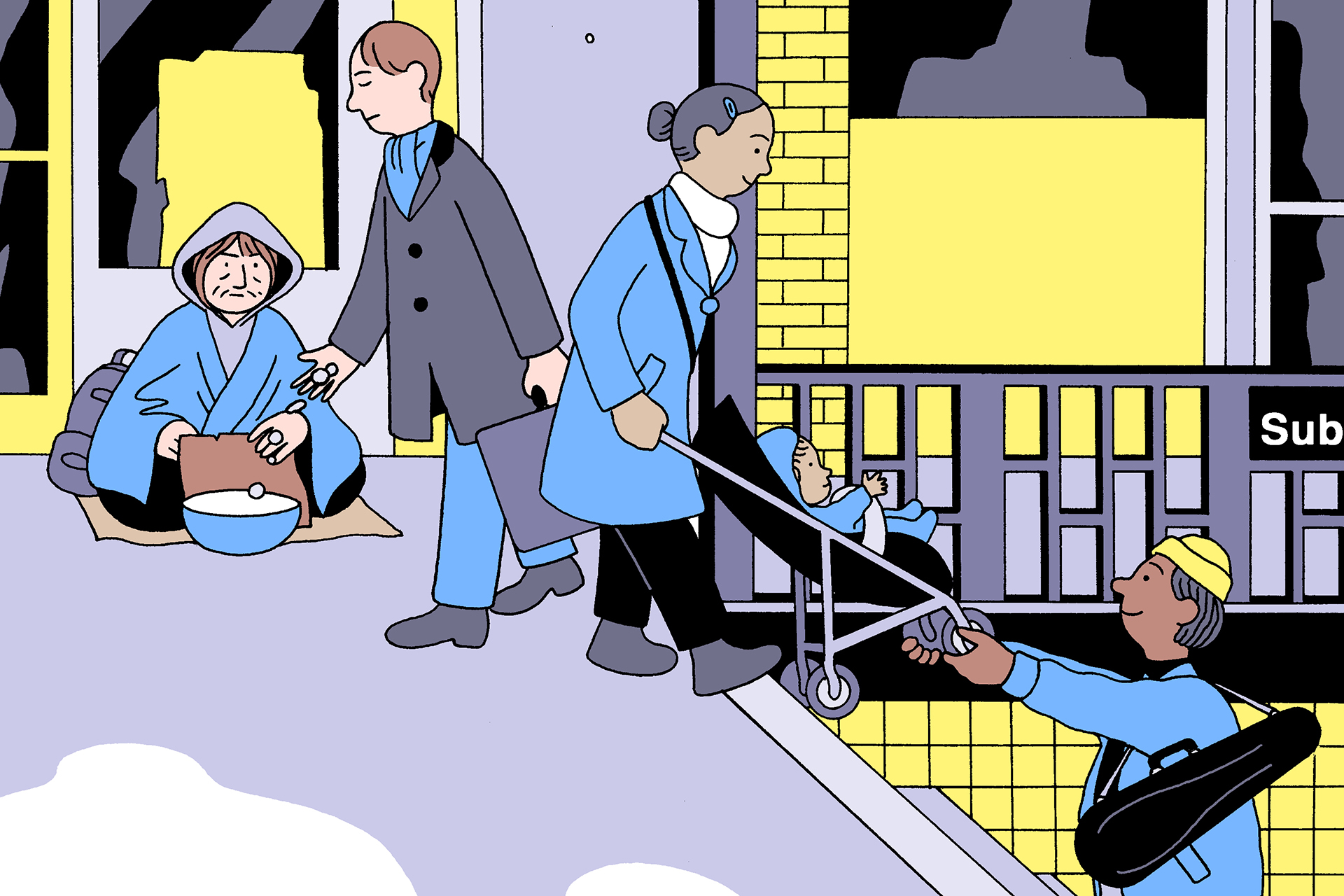
Giving Tuesday is a reminder that even amidst economic uncertainty, the desire to contribute to the greater good remains strong. But for many, the path to impactful generosity is paved with questions and anxieties. How much is enough? How can I maximize my impact? Is it okay to encourage others to give more? This guide, drawing from a year’s worth of ethical advice, offers practical tips and philosophical insights to navigate the complexities of charitable giving and cultivate a fulfilling practice of generosity.
Breaking Free from “Money Dysmorphia”
One of the biggest hurdles to generosity is what might be termed “money dysmorphia.” This is the distorted perception of one’s own financial situation, often leading to a feeling of scarcity even when resources are available. This anxiety, rooted in personal experiences and societal pressures, can paralyze individuals who genuinely want to give back.
The key to overcoming this lies in reframing your relationship with money. Start by acknowledging your anxieties and challenging the limiting beliefs they create. Consciously track your spending, identify areas where you can comfortably cut back, and allocate even a small percentage of those savings to charitable causes. Remember, generosity isn’t about grand gestures; it’s about consistent, intentional acts of giving within your means.
Small Steps, Big Impact: The Power of Incremental Giving
For those who find the prospect of large donations overwhelming, the “start small” approach is a powerful antidote. Growing up in a financially constrained household, the author initially experienced anxiety about spending any savings. However, by gradually incorporating small acts of giving into her routine, she discovered the profound joy and sense of purpose it brought.
This incremental approach allows you to experiment with different causes and organizations, finding those that resonate most deeply with your values. It also helps to build a habit of generosity, making it a sustainable part of your financial life. Remember, even small donations can collectively make a significant difference, especially when directed towards grassroots organizations or projects with a high impact-to-cost ratio.
Beyond Monetary Giving: Exploring Alternative Avenues
Generosity extends far beyond writing checks. Consider the myriad ways you can contribute your time, skills, and resources to make a positive impact. Volunteering at a local soup kitchen, mentoring a young person, or donating gently used clothing are all valuable forms of giving.
Furthermore, explore opportunities to leverage your professional skills for social good. Offer pro bono services, participate in skills-based volunteering programs, or support organizations that align with your expertise. By tapping into your unique talents, you can create lasting change in your community and beyond.
Ultimately, generosity is not about adhering to a rigid formula, but rather about cultivating a compassionate mindset and finding meaningful ways to connect with the needs of others. By breaking free from financial anxieties, embracing incremental giving, and exploring diverse avenues of contribution, you can unlock the transformative power of generosity and create a more just and equitable world.
Based on materials: Vox



