
SCOTUS Greenlights Texas Gerrymander, Raising Doubts on Future Challenges
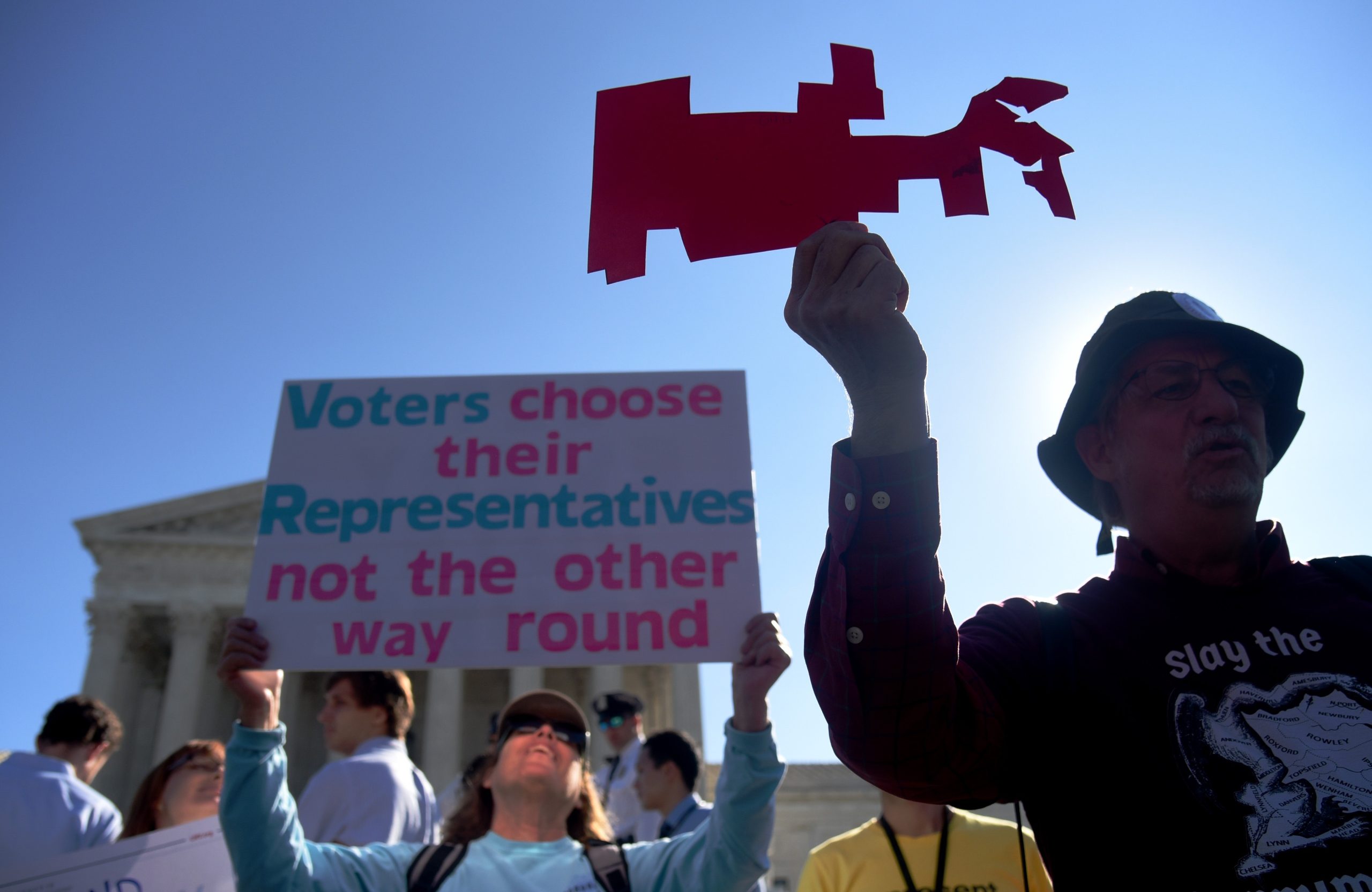
In a move that could dramatically reshape the landscape of American electoral politics, the Supreme Court has reinstated a controversial Texas redistricting plan, effectively giving the green light to a gerrymandered map that favors Republicans. The decision, handed down Thursday evening, is expected to solidify the GOP’s grip on several congressional seats and casts a long shadow over future legal challenges to partisan gerrymandering.
The ruling in
Abbott v. League of United Latin American Citizens (LULAC)
has ignited a firestorm of debate, with critics decrying it as a blow to fair representation and a victory for partisan politics. The court’s decision effectively reverses a lower court ruling that had deemed the Texas map unconstitutional.
The Partisan Divide and the Texas Map
As is often the case with politically charged cases, the Supreme Court justices appeared to have voted along ideological lines, with the three Democrat-appointed justices dissenting. This partisan split underscores the deep divisions surrounding gerrymandering, which involves drawing electoral district boundaries to favor one political party over another.
The Texas redistricting plan, redrawn after the 2020 census, has been accused of diluting the voting power of minority communities and creating districts that are overwhelmingly favorable to Republican candidates. Opponents argue that the map violates the principle of “one person, one vote” and undermines the democratic process. Experts predict the map could deliver as many as five additional seats in the U.S. House to Republicans.
Implications for Future Gerrymandering Cases
The Supreme Court’s decision in
LULAC
is not just a win for Texas Republicans; it sets a precedent that could significantly weaken future legal challenges to gerrymandered maps across the country. The ruling appears to impose a higher burden of proof on plaintiffs seeking to challenge redistricting plans, making it more difficult to demonstrate that a map is intentionally discriminatory or excessively partisan.
This development has raised concerns among civil rights lawyers and voting rights advocates, who fear that it could embolden state legislatures to engage in even more aggressive gerrymandering. Some legal experts even suggest that the
LULAC
decision is so unfavorable to anti-gerrymandering suits that many potential plaintiffs may simply forgo legal action altogether.
Conclusion
The Supreme Court’s decision to reinstate the Texas gerrymander represents a significant setback for those seeking to promote fair and representative elections. By making it more difficult to challenge partisan redistricting plans in court, the ruling could have far-reaching consequences for the balance of power in Congress and the integrity of the democratic process. The impact of
Abbott v. LULAC
will likely be felt for years to come as states across the nation grapple with the contentious issue of gerrymandering.
Based on materials: Vox



