
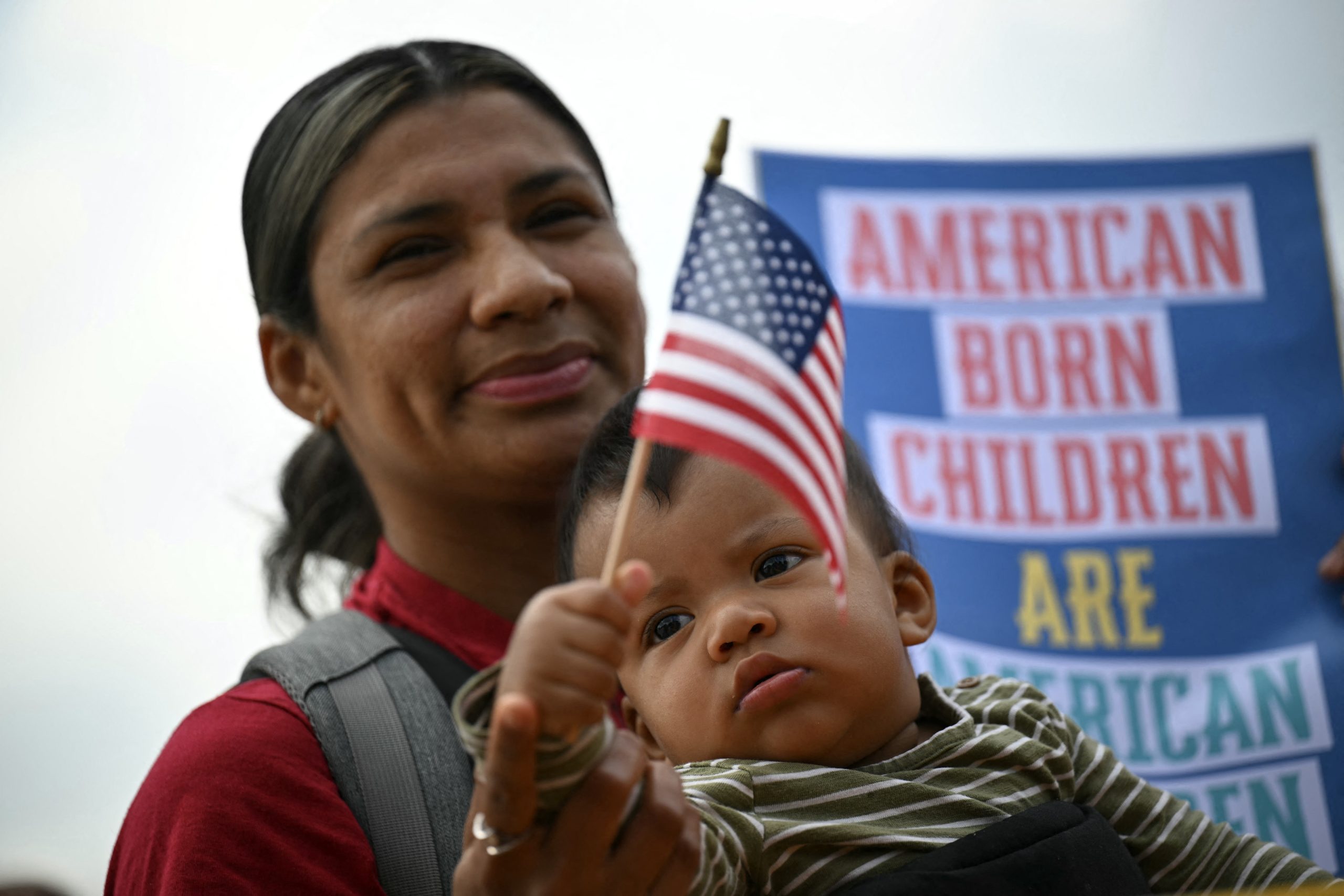
Supreme Court to Hear Arguments on Birthright Citizenship
The Supreme Court has agreed to hear a case concerning former President Donald Trump’s attempts to curtail birthright citizenship, a move that has been widely challenged as unconstitutional. The case centers around whether the President has the authority to unilaterally alter the interpretation of the 14th Amendment’s citizenship clause.
Lower Courts Resoundingly Reject Trump’s Position
Trump’s efforts to limit birthright citizenship faced immediate and substantial legal challenges. Judge John Coughenour, a Reagan appointee, was among the first to strike down the policy, calling the constitutional question “clear.” His sentiment was echoed by numerous other judges across the country, who consistently ruled against the administration’s attempts to redefine citizenship. These rulings largely hinged on the explicit wording of the 14th Amendment, which grants citizenship to all persons born or naturalized in the United States.
Constitutional Interpretation at Stake
The heart of the legal debate revolves around the interpretation of the 14th Amendment’s citizenship clause: “All persons born or naturalized in the United States, and subject to the jurisdiction thereof, are citizens of the United States.” Trump’s argument reportedly centered on the “subject to the jurisdiction thereof” clause, suggesting it excludes children of undocumented immigrants. However, legal scholars and lower courts have overwhelmingly rejected this interpretation, citing historical precedent and the amendment’s original intent. The Supreme Court’s decision to hear the case signals the gravity of the issue, potentially setting a precedent that could significantly alter the landscape of immigration and citizenship law.
Awaiting the Supreme Court’s Decision
The Supreme Court’s decision could have far-reaching implications for millions of individuals and families in the United States. A ruling in favor of Trump’s interpretation would likely lead to protracted legal battles and significantly alter existing immigration policies. Conversely, upholding the established understanding of birthright citizenship would reaffirm the constitutional protections afforded to those born on U.S. soil. The nation now awaits the Supreme Court’s deliberation on this critical constitutional matter.
Based on materials: Vox



