
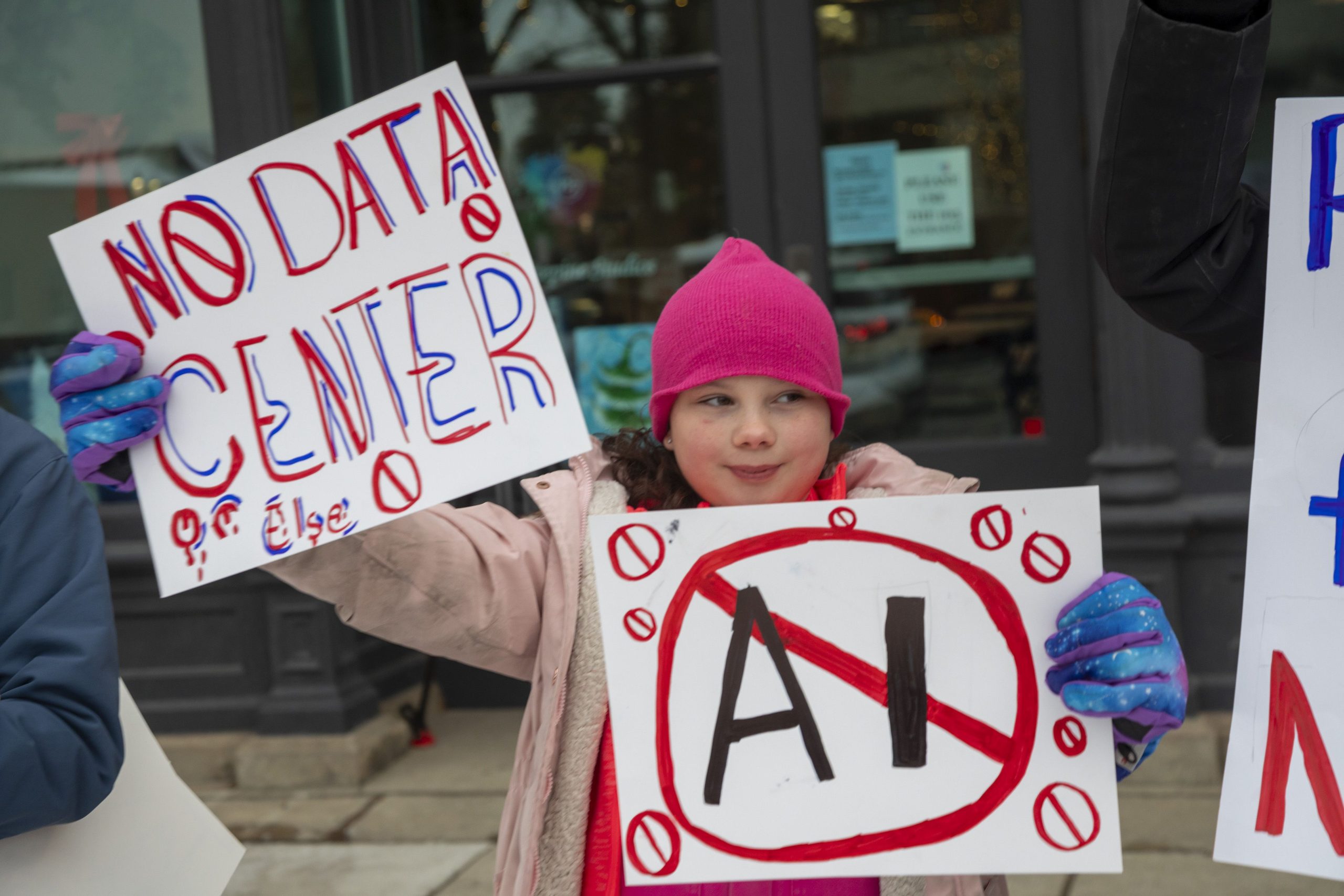
Data Centers Face Rising Resistance Amid AI Boom
The relentless march of artificial intelligence is fueling an unprecedented demand for data centers, the digital warehouses that power everything from streaming services to complex AI models. Yet, as these behemoths rise, so does local opposition, raising questions about the future of data infrastructure in America.
From rural Michigan to suburban Philadelphia, communities are pushing back against the construction of new data centers, citing concerns over noise pollution, water usage, and the visual blight of massive, windowless buildings. This growing resistance presents a significant challenge to the tech industry’s expansion plans and underscores the need for a more nuanced approach to data center development.
From Steel Mills to Server Farms: A Shifting Landscape
The story of the Conshohocken steel mill in Pennsylvania perfectly illustrates this tension. Once a symbol of American industrial might, the mill, like many others, fell victim to economic shifts. However, its potential didn’t vanish entirely. A developer saw an opportunity to repurpose the site, not for manufacturing, but for a massive data center – a testament to the new digital economy.
This transition reflects a broader trend: the repurposing of industrial sites to accommodate the digital infrastructure boom. But this transition isn’t always welcomed. Residents are starting to question the trade-offs, comparing the relatively few jobs created by data centers to the environmental and aesthetic impact they impose on local communities.
Balancing Innovation and Community Concerns
The opposition to data centers isn’t just about NIMBYism (Not In My Backyard). It’s about a growing awareness of the resource demands of the digital age. Data centers consume vast amounts of electricity and water to keep servers cool, raising concerns about sustainability and the strain on local resources, especially in drought-prone regions.
Moreover, the debate highlights the need for greater transparency and community engagement in the data center development process. Tech companies must actively address local concerns, explore innovative solutions to minimize environmental impact (such as using renewable energy sources and water-efficient cooling technologies), and demonstrate the tangible benefits that data centers bring to the community, such as increased tax revenue and improved internet infrastructure.
A Critical Juncture for the AI Era
The growing resistance to data centers presents a critical challenge to the continued growth of AI and other data-intensive technologies. As demand for data processing power continues to surge, finding a sustainable and socially responsible path forward is essential. This requires a collaborative effort between tech companies, policymakers, and local communities to ensure that the benefits of the digital revolution are shared equitably and that the environmental and social costs are minimized. The future of AI may well depend on our ability to navigate this complex landscape.
Based on materials: Vox



