
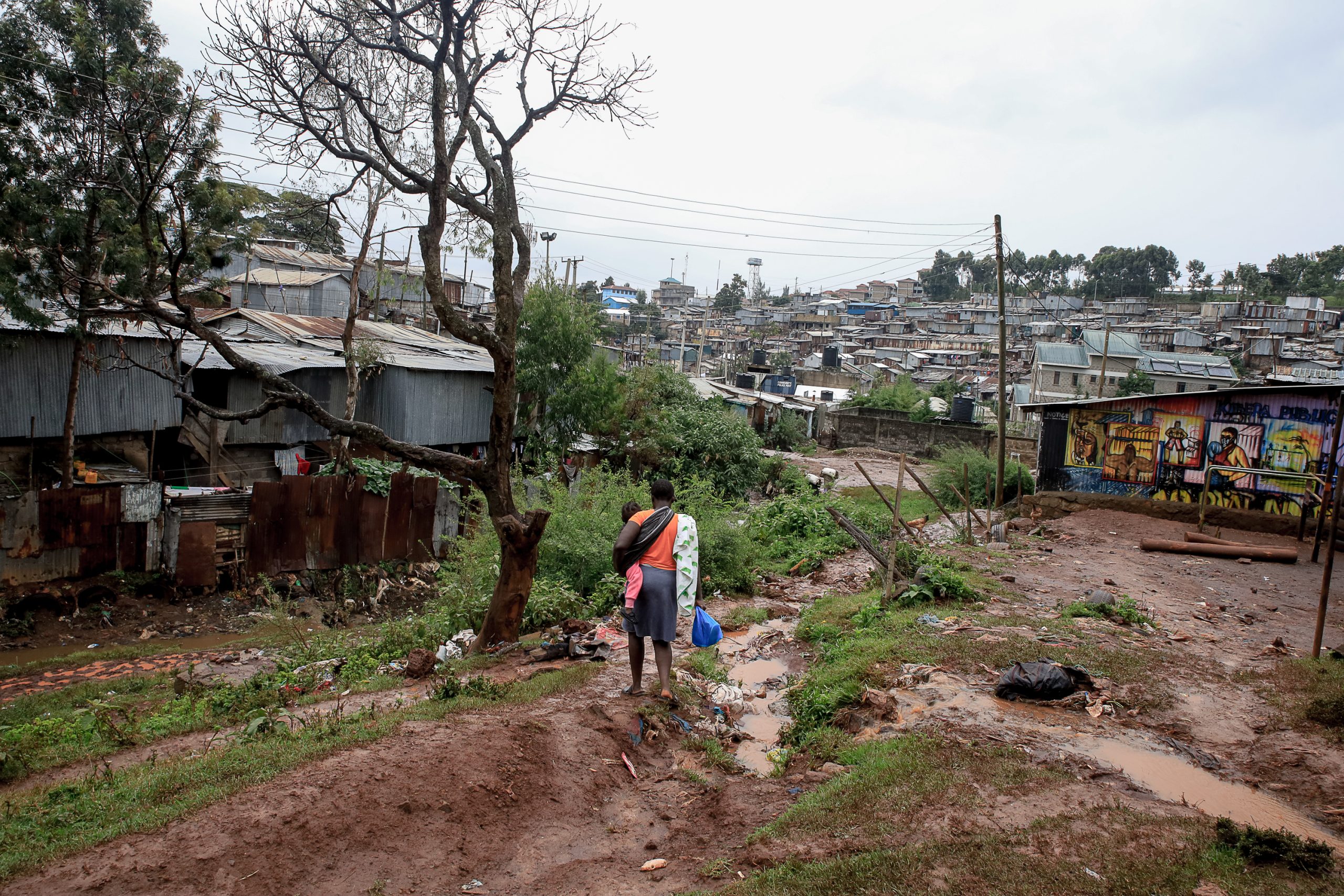
Ending Extreme Poverty: A Surprisingly Affordable Goal
The fight against global poverty often feels like an insurmountable challenge, a problem so vast and complex that individual action seems futile. However, a groundbreaking new report suggests that ending extreme poverty is not only achievable but also surprisingly affordable. The study, conducted by anti-poverty researchers utilizing advanced AI tools, estimates that just $318 billion per year – a mere 0.3% of global GDP – could lift hundreds of millions out of extreme poverty. This revelation challenges the conventional wisdom that poverty is an intractable problem beyond our reach.
AI-Powered Precision: The Key to Effective Aid
Traditional methods of assessing and addressing poverty often rely on broad generalizations and outdated data. The researchers behind this new report harnessed the power of artificial intelligence to create a far more granular and accurate picture of poverty around the world. By analyzing vast datasets and identifying specific needs at the local level, the AI-powered tools allowed researchers to determine the precise amount of aid required to ensure that individuals and families have access to basic necessities like food, shelter, and medicine. This precision is key to maximizing the impact of aid and ensuring that resources are allocated effectively.
Direct Cash Transfers: A Proven Strategy
The proposed solution relies on targeted direct cash transfers, a strategy that has proven successful in various anti-poverty initiatives. By providing individuals and families with direct financial assistance, they are empowered to make their own choices about how to best meet their needs. This approach not only addresses immediate needs but also fosters long-term economic empowerment by allowing people to invest in education, healthcare, and small businesses. The $318 billion price tag represents the estimated cost of implementing these direct cash transfers on a global scale, ensuring that virtually everyone has the resources to escape extreme poverty.
A Moral and Economic Imperative
Ending extreme poverty is not just a moral imperative; it is also an economically sound investment. By lifting people out of poverty, we unlock their potential to contribute to the global economy, reduce social unrest, and improve global health outcomes. The $318 billion required to end extreme poverty pales in comparison to the trillions spent on military expenditures, subsidies for fossil fuels, and other less pressing priorities. This report serves as a powerful reminder that ending extreme poverty is within our reach and that the cost of inaction is far greater than the cost of action. It’s time to shift our priorities and invest in a future where everyone has the opportunity to thrive.
Based on materials: Vox



