
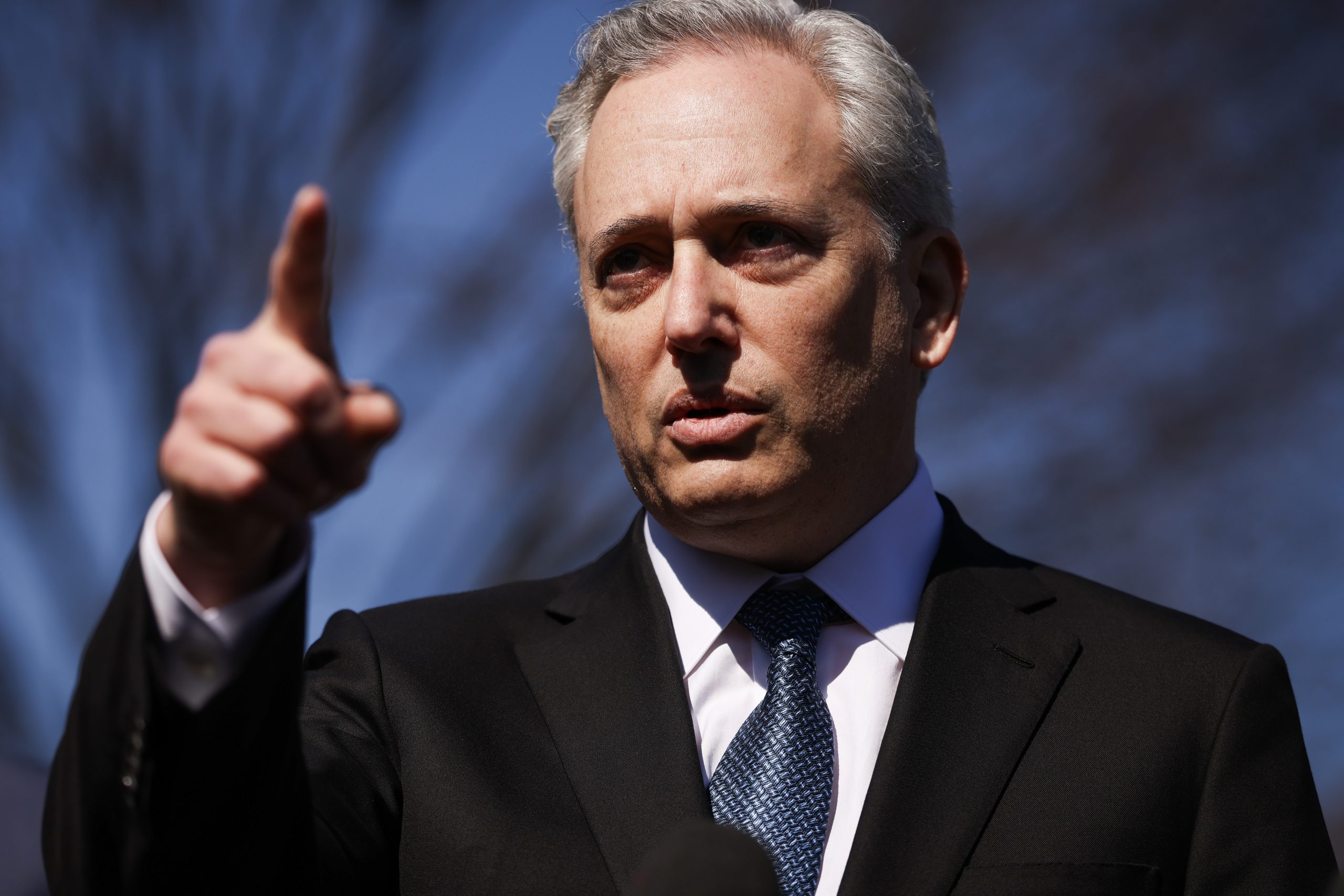
Trump’s AI Czar: Deregulation is Key to US Tech Dominance
David Sacks, a name increasingly prominent in discussions surrounding technology policy, has emerged as President Trump’s key advisor on artificial intelligence and cryptocurrency. His rapid ascent to influence underscores a significant shift in the administration’s approach to tech regulation, one that favors a hands-off approach to foster innovation and competition with global rivals, particularly China. But is deregulation the magic bullet for AI dominance?
From Stanford to the White House: The Rise of David Sacks
Sacks’ journey to the heart of White House tech policy began at Stanford University, where he forged a close relationship with Peter Thiel. Their shared conservative ideologies led to the co-authorship of “The Diversity Myth,” a controversial critique of political correctness and liberalism within academia. This early foray into ideological discourse foreshadowed Sacks’ later involvement in shaping tech policy. His association with Thiel and Elon Musk further solidified his position within influential tech circles. Now, as Trump’s “AI and cryptocurrency czar,” Sacks advocates for minimal government intervention, echoing the sentiments of many Silicon Valley entrepreneurs.
Hands-Off Approach: The Sacks Doctrine
Sacks’ core argument revolves around the belief that excessive regulation stifles innovation. This summer, when Trump signed the “Genius Act,” designed to be friendly to the cryptocurrency industry, he looked to Sacks to justify the need for a light regulatory touch. Similarly, when Trump issued an executive order limiting states’ ability to regulate AI, Sacks was present to emphasize the importance of removing obstacles for Silicon Valley, particularly in the face of China’s rapid advancements in AI. This “Sacks Doctrine” champions a free-market approach, suggesting that the US can only maintain its technological edge by allowing companies to operate with minimal government oversight.
Debating the Future: Innovation vs. Regulation
While Sacks’ perspective resonates with some in the tech industry, critics argue that unchecked deregulation could lead to ethical concerns, security risks, and the potential for monopolies. The debate highlights a fundamental tension between fostering innovation and ensuring responsible development and deployment of powerful technologies like AI. Whether Sacks’ vision of a deregulated tech landscape will ultimately benefit the US remains to be seen, but his influence on the Trump administration’s policies is undeniable. His rise marks a critical juncture in the ongoing conversation about the role of government in shaping the future of technology.
Based on materials: Vox



