
Is Your Reality Real? How Your Brain Shapes Perception
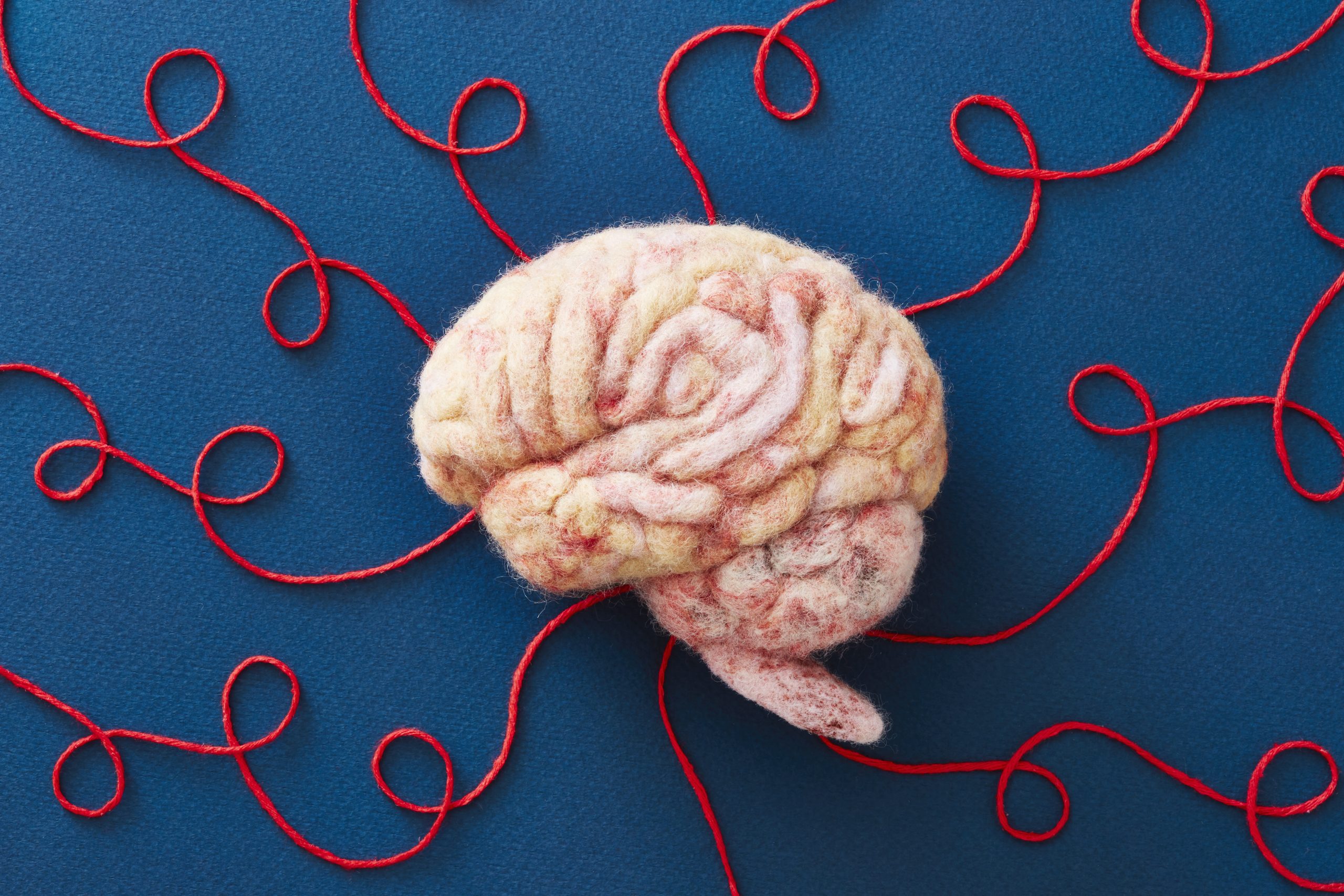
Our brains, the incredible processors that they are, don’t just passively receive information. They actively construct our experience of reality, sometimes in ways that might surprise you. From filling in the gaps caused by hearing loss to influencing how we interpret the world around us, our brains are constantly at work, shaping what we perceive. But how much of what we experience is objective truth, and how much is a subjective creation of our own minds?
The Brain’s Reality Distortion Field
Pascal Wallisch, a professor at NYU specializing in data science, neuroscience, and psychology, explores this very question. He humorously frames his research as determining “whether The Matrix is a movie or a documentary,” highlighting the profound impact our brains have on shaping our individual realities. As Wallisch explains, everything we perceive is filtered through our sensory organs and then processed by our brains. Given that each brain is unique, we each bring our own individual biases, experiences, and interpretations to every single experience.
One common example of this phenomenon is tinnitus, that persistent ringing in the ears. Often, tinnitus isn’t caused by an external sound, but rather by the brain itself. In cases of hearing loss, the brain can generate this phantom sound to compensate for the missing auditory input. This illustrates how the brain actively creates experiences to fill in perceived gaps, highlighting the subjective nature of our perceptions.
Why Does Our Brain Do This?
So, why does our brain actively construct reality rather than simply recording it? The answer lies in efficiency and survival. Our brains are constantly bombarded with information, and to process it all accurately would be overwhelming. By filling in gaps, making assumptions, and filtering information based on past experiences, the brain streamlines the process, allowing us to react quickly and efficiently to our environment.
This filtering and interpretation process, while beneficial, can also lead to distortions in perception. Our biases, beliefs, and expectations can all influence how we interpret information, leading to misunderstandings, misinterpretations, and even false memories. Understanding this inherent subjectivity is crucial for critical thinking and effective communication.
Embracing the Subjective Experience
The realization that our brains actively shape our reality can be both unsettling and liberating. While it challenges the notion of objective truth, it also highlights the incredible power and adaptability of the human brain. By understanding the ways in which our brains construct our experience, we can become more aware of our own biases, more critical of the information we receive, and more empathetic towards the perspectives of others. Ultimately, embracing the subjective nature of reality allows us to navigate the world with greater awareness and understanding.
Based on materials: Vox



