
Oswego, New York: A Nuclear Powerhouse Ready for More?
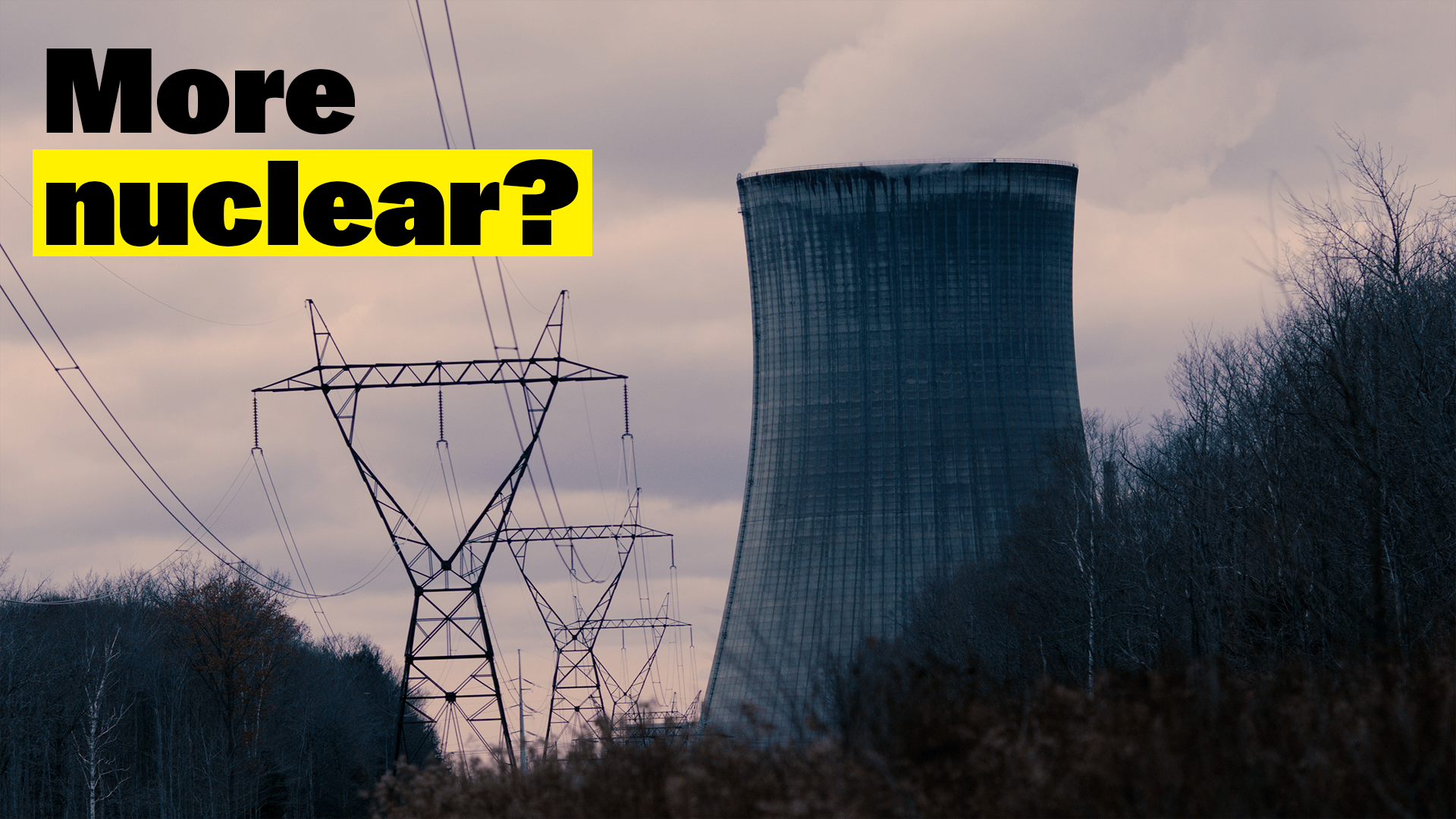
In a world grappling with climate change and surging energy demands, one small town in upstate New York is making a bold proposition: embrace nuclear power, and embrace it fully. Oswego, already home to three nuclear power plants within a ten-mile radius, is actively vying for a fourth. This ambition comes as New York Governor Kathy Hochul recently announced a commitment to add a gigawatt of nuclear power to the state’s grid, driven in part by the voracious energy appetite of the burgeoning artificial intelligence industry. But why Oswego, and what’s behind this unwavering enthusiasm for nuclear energy?
A Town Built on Atoms: The Benefits and Beyond
The appeal of nuclear power is multifaceted. As Vox highlighted in a recent video exploration, the average US nuclear power station can power 1.4 million homes, operating around the clock without generating carbon emissions or traditional air pollution. For Oswego, the benefits extend beyond clean energy. These plants are significant economic engines, providing hundreds of well-paying jobs and supporting local businesses. This established infrastructure and experienced workforce make Oswego a seemingly ideal candidate for further nuclear expansion.
Addressing the Concerns: Safety and Public Perception
However, the history of nuclear energy is also punctuated by disasters like Three Mile Island, Chernobyl, and Fukushima Daiichi. These events have understandably fueled public anxiety and skepticism. While modern nuclear plants are designed with multiple layers of safety mechanisms, the potential for catastrophic failure remains a potent concern. Any new plant would need to address these concerns head-on, with transparent communication and robust safety protocols. It’s also important to note that while nuclear energy does not produce carbon emissions during operation, the mining and processing of uranium, along with the construction and decommissioning of plants, do have environmental impacts.
Oswego’s bid for a fourth nuclear plant highlights a critical debate in the energy sector. As the demand for electricity continues to rise, particularly with the growth of energy-intensive industries like AI, policymakers and communities must consider all available options. While renewable energy sources like solar and wind are essential components of a sustainable future, their intermittency poses a challenge to grid stability. Nuclear power offers a reliable, carbon-free alternative, but its inherent risks and high upfront costs require careful consideration and a commitment to rigorous safety standards. Whether Oswego wins its bid remains to be seen, but its story underscores the complex decisions shaping the future of energy production.
Based on materials: Vox



