
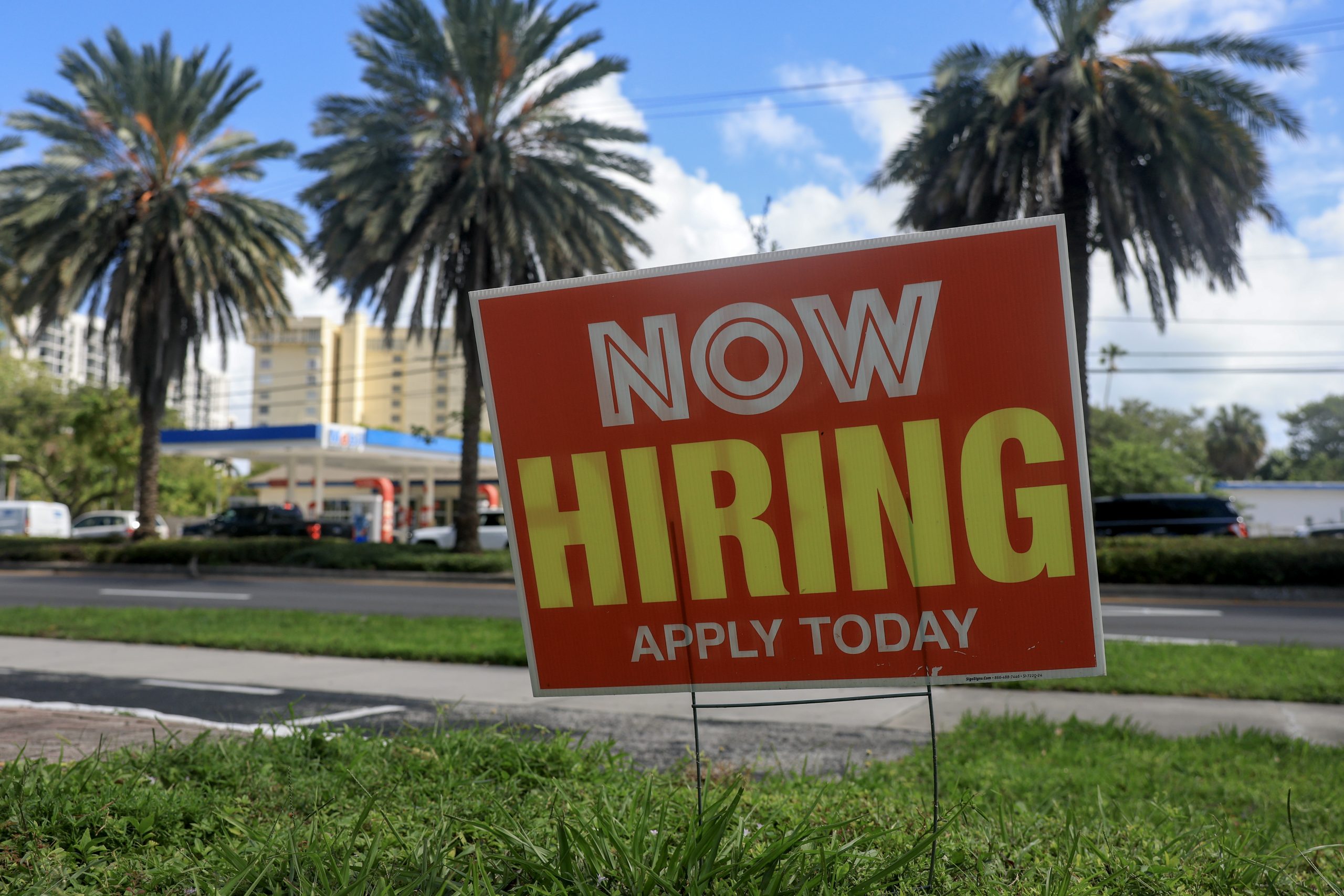
Job Market Mayhem: Why 2025 Was a Career Crossroads
The year 2025 will be remembered not for technological leaps or political milestones, but for the sheer anxiety it induced in the American professional class. LinkedIn, the ubiquitous professional networking platform, morphed from a space for career advancement into a digital confessional, echoing with the woes of a brutal job market. Understanding the factors that contributed to this challenging landscape is crucial for navigating future employment uncertainties.
The AI Gatekeepers and the Ghosting Game
The digital age promised efficiency, but in 2025, it delivered a cold dose of automated rejection. Job seekers lamented the dominance of AI-powered applicant tracking systems (ATS) that filtered resumes with ruthless precision, often overlooking qualified candidates due to minor keyword mismatches. The human touch seemed to vanish as employers increasingly ghosted applicants mid-interview process, leaving them in a frustrating limbo of unanswered emails and silent phone lines. The once-optimistic “#OpenToWork” banner on LinkedIn profiles became a symbol of desperation, marking individuals caught in the crosshairs of a merciless market.
Pivoting Out of Necessity
Desperation bred innovation, albeit of a different kind. Faced with months of fruitless applications and relentless rejection, many professionals were forced to make drastic career pivots. One viral LinkedIn post encapsulated this sentiment, detailing a highly qualified individual’s decision to accept a full-time position at Trader Joe’s after nearly eight months of unemployment. While not a failure, such decisions highlighted the stark reality of a job market where traditional qualifications were no longer a guarantee of success. This underscored the need for adaptability and a willingness to explore unconventional career paths.
A Perfect Storm of Factors
Several factors converged to create this perfect storm of job market woes. Economic uncertainty, fueled by fears of recession and geopolitical instability, led companies to freeze hiring or implement layoffs. Automation and artificial intelligence continued to disrupt industries, eliminating certain roles while creating demand for new, specialized skills. Finally, a growing skills gap meant that many job seekers lacked the specific expertise required for available positions, further exacerbating the competition. The events of 2025 serve as a stark reminder that continuous learning and skills development are essential for navigating the ever-evolving landscape of the modern workforce.
In conclusion, 2025 was a watershed year that exposed the vulnerabilities of the American professional class. The rise of AI gatekeepers, the prevalence of ghosting, and the necessity of career pivots painted a grim picture of the job market. This experience underscores the need for job seekers to adapt, acquire in-demand skills, and cultivate resilience in the face of uncertainty.
Based on materials: Vox



