
Climate Crisis: Wealth Defines Disaster Recovery in America
As climate change intensifies, the ability to recover from disasters in America is increasingly determined by socioeconomic status. While the wealthy can access premium services that expedite recovery, leaving lower-income individuals and communities struggling to rebuild their lives long after the immediate crisis has passed. This disparity highlights a growing chasm in disaster resilience, raising concerns about equity and social justice in the face of escalating climate threats.
A Tale of Two Recoveries
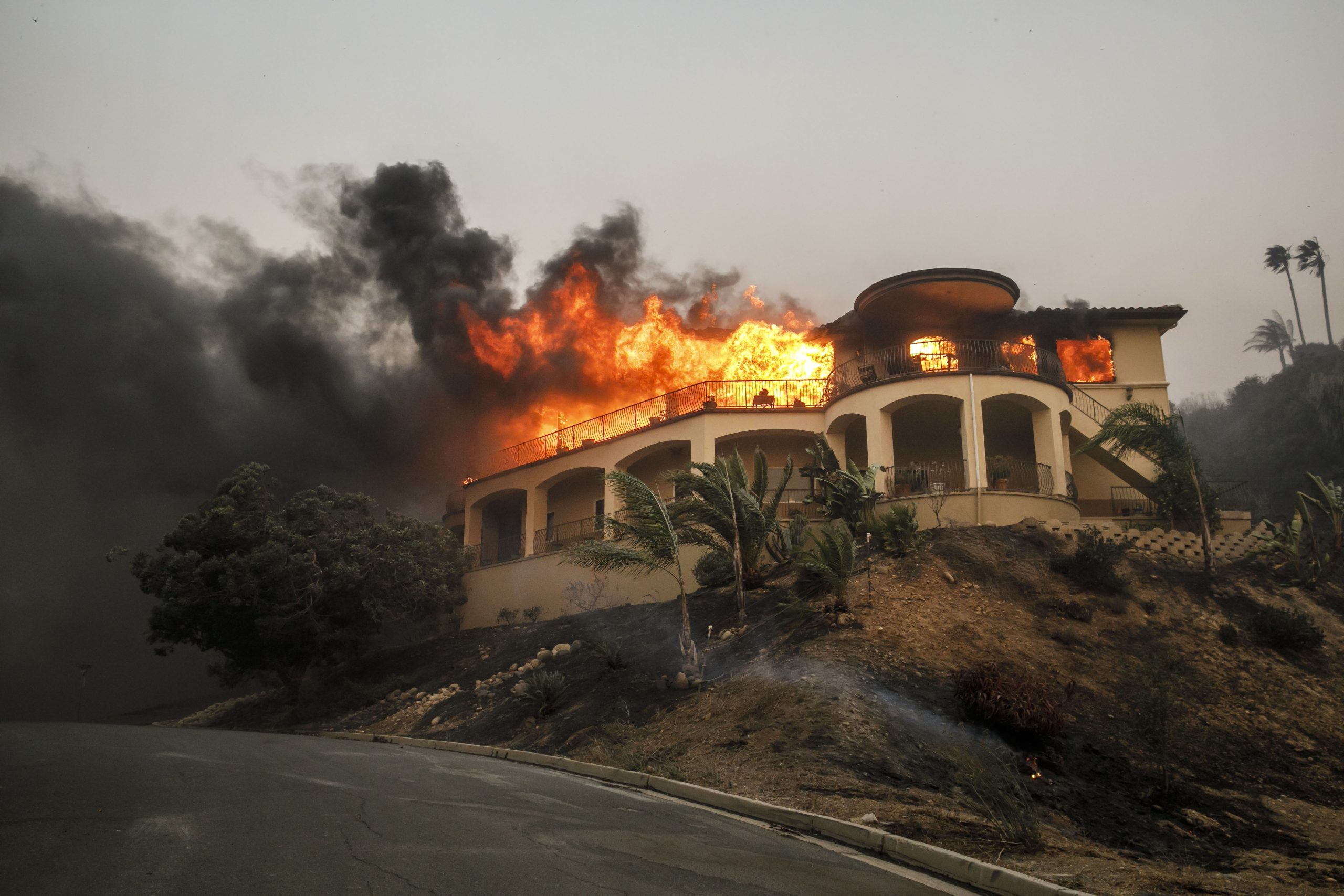
Imagine two families, both victims of a devastating wildfire. The first family, affluent and well-insured, immediately enlists the services of Bright Harbor, a high-end disaster recovery firm. Within days, their temporary housing is secured, insurance claims are expedited, and a detailed plan for rebuilding their home is in place. They navigate the bureaucratic maze with ease, thanks to professional guidance.
The second family, struggling to make ends meet before the fire, faces a vastly different reality. They grapple with confusing FEMA applications, navigate understaffed assistance centers, and struggle to find affordable temporary housing. The process is slow, frustrating, and emotionally draining, delaying their recovery for months, if not years. This disparity underscores the harsh reality that in America, surviving a disaster is becoming a luxury.
The Rise of “White-Glove” Disaster Services
The emergence of companies like Bright Harbor signals a shift in the disaster recovery landscape. These firms offer comprehensive services, including insurance claim management, temporary housing, debris removal, and even psychological support. While these services can be invaluable, they are often prohibitively expensive, catering exclusively to the wealthy. This creates a two-tiered system where those with resources can bounce back quickly, while others are left to fend for themselves in a complex and often overwhelming system.
This trend raises fundamental questions about the role of government and private enterprise in disaster response. Should disaster recovery be a privilege reserved for those who can afford it, or a fundamental right guaranteed to all citizens? The answer will shape the future of disaster resilience in America and determine who is left behind as climate change intensifies.
Bridging the Gap: Towards Equitable Disaster Recovery
Addressing this growing disparity requires a multi-pronged approach. First, governments must invest in strengthening public disaster response systems, ensuring that resources and assistance are readily available to all, regardless of income. This includes streamlining FEMA processes, increasing funding for local emergency services, and providing affordable housing options for displaced families.
Second, innovative solutions are needed to bridge the gap between the “haves” and “have-nots.” This could involve creating non-profit organizations that offer pro bono disaster recovery services to low-income individuals, or developing insurance products that are tailored to the needs of vulnerable communities.
Finally, addressing the root causes of climate change is essential to mitigate the increasing frequency and intensity of disasters. By investing in renewable energy, reducing carbon emissions, and promoting sustainable development, we can create a more resilient and equitable future for all.
CONCLUSION:
The increasing influence of wealth on disaster recovery highlights a critical vulnerability in America’s response to climate change. As disasters become more frequent and severe, ensuring equitable access to recovery resources is paramount. Bridging the gap between the privileged and the vulnerable requires a concerted effort from governments, private organizations, and individuals to build a more resilient and just society. The future hinges on our ability to ensure that surviving a disaster is not a luxury, but a right.
Based on materials: Vox



