
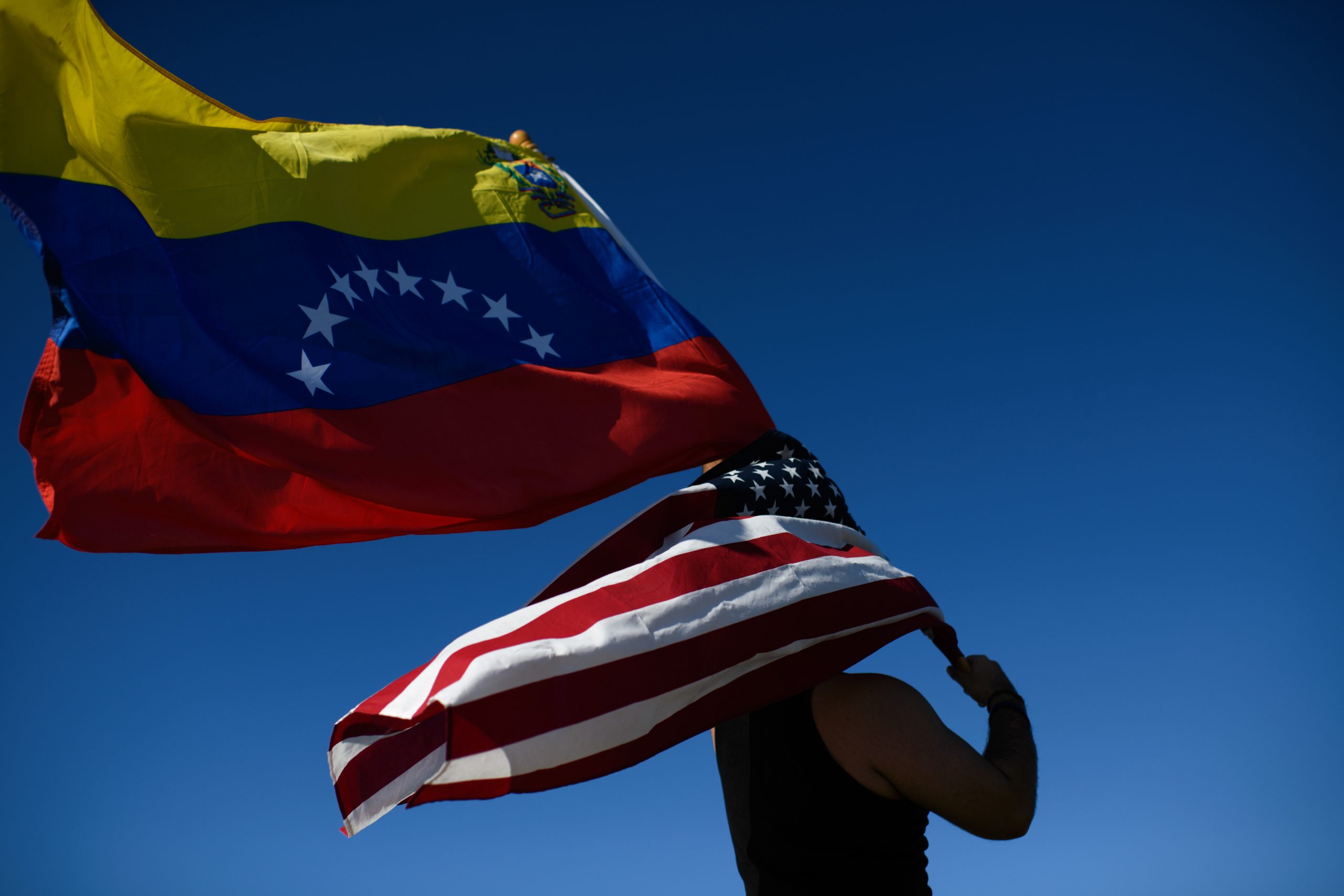
Donald Trump’s second term has ignited a firestorm of controversy with what some are calling the “Donroe Doctrine,” a perceived aggressive approach to the Western Hemisphere. Actions like the recent capture of Venezuelan President Nicolás Maduro and threats of military intervention against other nations signal a dramatic shift in U.S. foreign policy, raising concerns about the future of international relations in the region.
Echoes of the Past: “Gulf of America” and Beyond
The seeds of this assertive strategy were sown early in Trump’s renewed presidency. Beyond the highly publicized capture of Maduro, Trump’s rhetoric and policy decisions hinted at a desire for increased U.S. dominance. He boldly renamed the Gulf of Mexico the “Gulf of America,” a symbolic gesture that underscored his vision of American influence. This was followed by the imposition of tariffs on key trading partners like Canada, Mexico, and Colombia, ostensibly as punishment for their perceived defiance of his administration’s agenda. These moves suggest a deliberate strategy to exert economic and political leverage over neighboring countries.
Rubio’s Shadow: Influence on Latin American Policy
Adding another layer of complexity, Secretary of State Marco Rubio’s deep-seated interests in Latin American affairs have fueled speculation about his influence on U.S. policy towards the region. Some observers believe Rubio effectively shaped the administration’s approach from his Senate office during Trump’s first term, suggesting a continuity of hawkish sentiment. This perceived influence has led to questions about the true architects of the “Donroe Doctrine” and the long-term implications for regional stability.
A Contentious Future: Implications and Reactions
The “Donroe Doctrine” has been met with mixed reactions, both domestically and internationally. While some applaud Trump’s assertive stance as necessary to protect American interests and counter perceived threats, others condemn it as reckless interventionism that undermines international law and sovereignty. Critics fear this approach could destabilize the region, provoke retaliatory actions, and ultimately harm U.S. credibility on the global stage. The future of U.S.-Latin American relations hangs in the balance, with the long-term consequences of the “Donroe Doctrine” yet to be fully realized.
In conclusion, the “Donroe Doctrine” represents a significant departure from traditional U.S. foreign policy in the Western Hemisphere. Whether it will prove to be a successful strategy or a costly miscalculation remains to be seen, but one thing is clear: the Trump administration’s assertive approach has ushered in a new era of uncertainty and tension in the region.
Based on materials: Vox



