
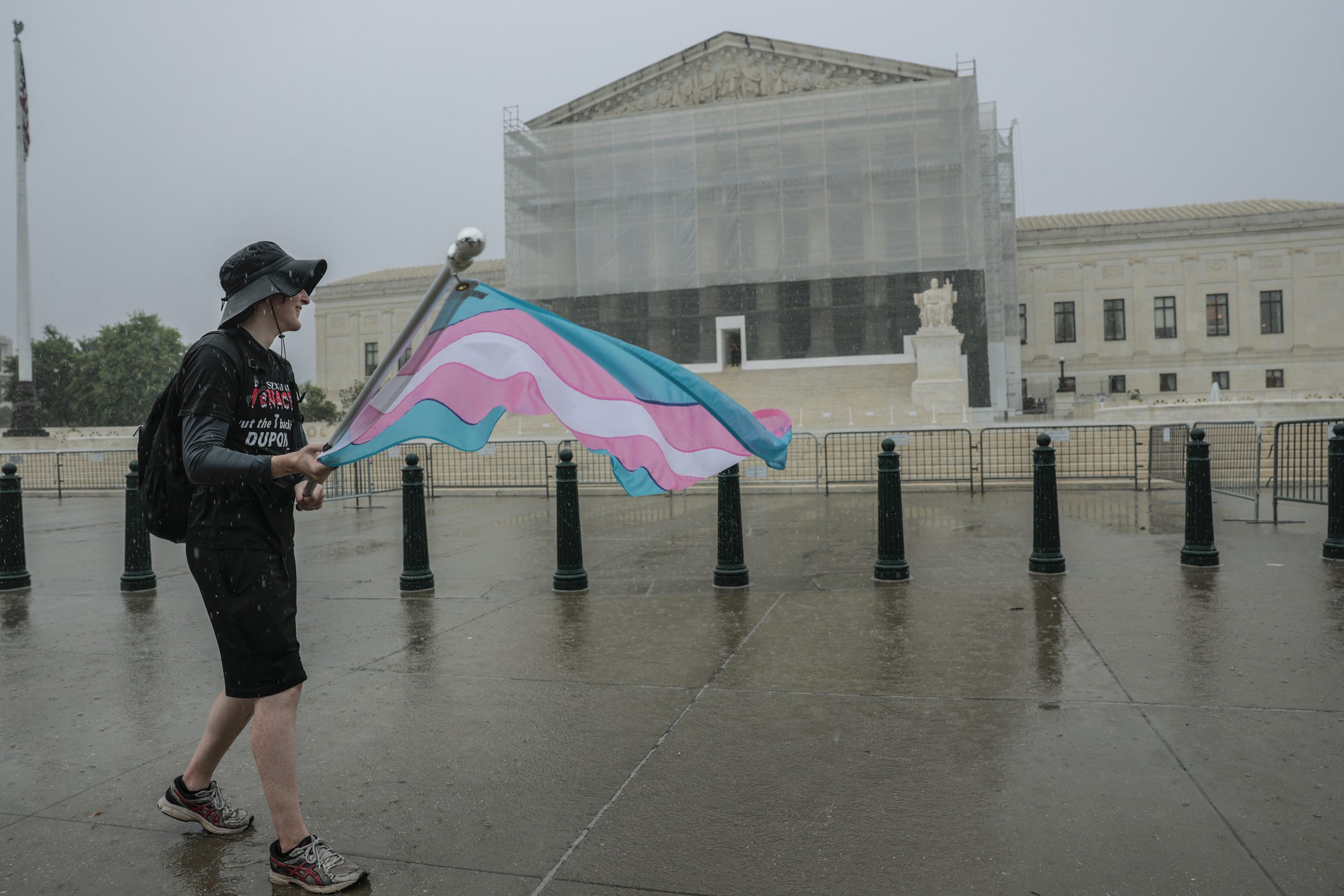
Supreme Court Poised to Rule on Transgender Athlete Participation
The Supreme Court is on the verge of a landmark decision that could reshape the landscape of transgender rights, specifically regarding the participation of transgender athletes in school sports. Legal experts and advocates on both sides of the issue anticipate a ruling in either
Little v. Hecox
or
West Virginia v. B.P.J.
that will determine whether states have the authority to prohibit transgender women from competing on female sports teams at the high school and collegiate levels.
A Legal and Political Minefield
The issue of transgender athletes has consistently presented a formidable legal challenge for trans rights advocates. Existing Supreme Court precedents concerning transgender rights do not readily align with the arguments against state laws that restrict transgender women’s participation in women’s sports.
Beyond the legal complexities, the political climate surrounding this issue presents significant hurdles. Public opinion remains divided, and the current composition of the Supreme Court, dominated by Republican appointees, adds another layer of uncertainty. The justices’ recent decision allowing states to ban gender-affirming care for transgender youth suggests a potential inclination to side with states seeking to restrict transgender athletes’ participation.
Diverging Opinions and Potential Outcomes
The core of the debate revolves around fairness, safety, and inclusivity. Supporters of restrictions argue that allowing transgender women to compete in women’s sports creates an unfair advantage due to inherent biological differences. They also raise concerns about the safety of cisgender female athletes.
Conversely, advocates for transgender inclusion contend that excluding transgender women from participating in sports constitutes discrimination and denies them the opportunity to experience the physical and social benefits of athletic competition. They emphasize that transgender women are women and should be treated as such under the law.
The Supreme Court’s decision could have far-reaching consequences, potentially setting a precedent for other states to enact similar bans. A ruling upholding the states’ right to restrict transgender athletes’ participation would likely embolden legislators to introduce and pass similar legislation.
A Decision that Resonates Beyond the Courtroom
Regardless of the Supreme Court’s ultimate decision, the debate surrounding transgender athletes’ rights will continue to resonate across the nation. This case highlights the ongoing struggle for transgender equality and the challenges of balancing competing interests in a society grappling with evolving understandings of gender identity. The decision will not only impact the lives of transgender athletes but also shape the broader conversation surrounding inclusivity and fairness in sports and beyond.
Based on materials: Vox



