
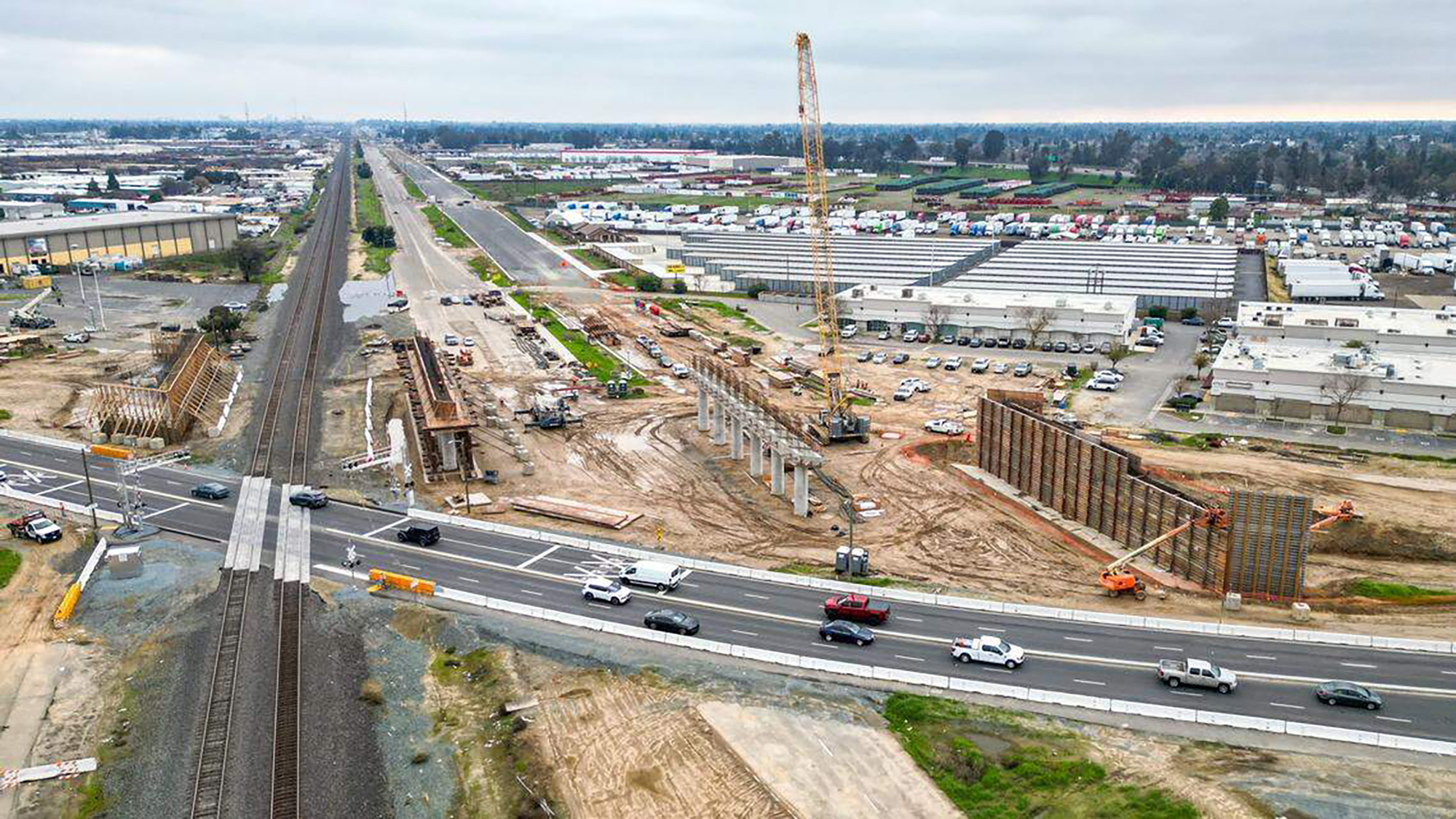
America’s Infrastructure Impasse: Why Progress Grinds to a Halt
A pervasive sense of frustration hangs in the air across America. It’s a feeling born from projects perpetually delayed, infrastructure crumbling, and a general inability to translate collective will into tangible action. Why can’t we seem to build anything anymore? From delayed high-speed rail projects to perpetually gridlocked highway expansions, the nation struggles to execute even the most widely supported improvements. Marc Dunkelman, in his book
Why Nothing Works
, argues that this isn’t merely a symptom of political polarization or inept leadership, but a fundamental flaw in the very structure of our governance.
The Era of Preventative Governance
Dunkelman posits that over the past half-century, the United States has inadvertently created a system designed primarily to prevent governmental overreach and potential harm. This “preventative governance” model, while intended to safeguard against abuse, has inadvertently fostered an environment of bureaucratic gridlock and paralyzing oversight. The result? A tangled web of permits, environmental impact assessments, and community stakeholder approvals that can stretch projects out for years, often leading to cost overruns and eventual abandonment.
The Weight of Good Intentions
The intention behind many of these regulations is undoubtedly noble. Environmental protection, community involvement, and fiscal responsibility are all vital considerations. However, the sheer volume and complexity of these checks and balances have created a system where any single dissenting voice can effectively halt progress. This is compounded by the rise of NIMBYism (“Not In My Backyard”), where local communities fiercely resist any development that might potentially impact their property values or quality of life, further fueling delays and escalating costs.
Rebuilding the Foundation for Progress
Ultimately, the challenge lies in finding a balance between necessary oversight and efficient execution. Streamlining the permitting process, fostering genuine community engagement early in project planning, and investing in skilled project management are all crucial steps. Reimagining infrastructure development requires a shift in mindset, moving away from a purely preventative approach towards a proactive strategy that prioritizes long-term societal benefit while remaining mindful of potential risks. Only then can America hope to overcome its infrastructure impasse and build a future worthy of its potential.
Based on materials: Vox



