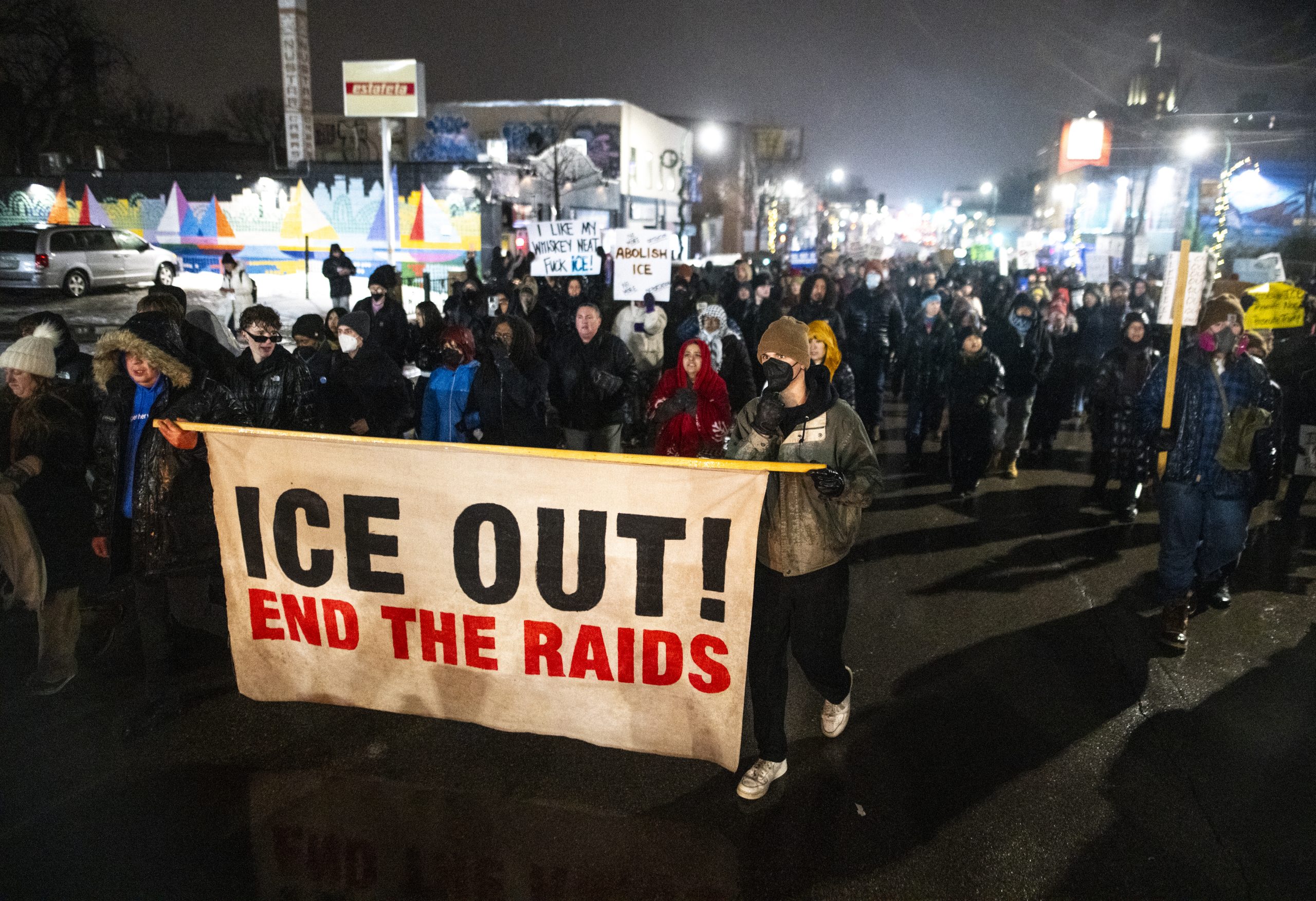
Minnesota Activists Confront ICE After Shooting Sparks Outrage
The shooting of Renee Good by an ICE officer in Minnesota last week has ignited a wave of activism in the Twin Cities, focusing on disrupting and monitoring the activities of U.S. Immigration and Customs Enforcement (ICE). Residents of Minneapolis and surrounding areas are mobilizing in decentralized networks, employing tactics aimed at alerting their communities to ICE presence and operations. This surge in activism highlights the growing tensions surrounding immigration enforcement and the increasing scrutiny of ICE’s actions.
Neighborhood Patrols and Real-Time Alerts
Fueled by a desire to protect their neighbors and challenge what they perceive as unjust immigration policies, these activists are taking direct action. As reported by the Minnesota Reformer, their methods involve patrolling neighborhoods, actively searching for ICE officers. When ICE is spotted, activists use their networks to disseminate real-time alerts, informing residents of ICE’s location within the city. This strategy aims to provide communities with the information necessary to avoid encounters with ICE and offer support to those potentially targeted.
Escalating Tensions and Accusations of “Domestic Terrorism”
These tactics, however, have not gone without controversy. The direct confrontations between activists and ICE officers have led to tense standoffs, escalating the already fraught relationship. The Trump administration has responded with harsh criticism, even leveling accusations of “domestic terrorism” against the activists. This characterization has further polarized the debate, raising concerns about the government’s response to dissent and the potential for overreach in labeling protest movements. The activists defend their actions as acts of community protection and civil disobedience, arguing they are holding ICE accountable for its actions.
A Community Divided
The situation in Minneapolis reflects a broader national debate on immigration enforcement and the role of ICE. While some view ICE as essential for border security and maintaining law and order, others see the agency as an instrument of family separation and unjust deportation. The activism in Minnesota underscores the deep divisions within American society regarding immigration policy and the lengths to which some are willing to go to challenge the status quo. The future of this conflict remains uncertain, but the events in Minneapolis demonstrate the power of local activism to shape the national conversation on immigration.
Based on materials: Vox