
Trump’s Insurrection Act Threat: Echoes of January 6th?
Former President Donald Trump has recently raised eyebrows and sparked controversy by suggesting the invocation of the Insurrection Act to quell protests in Minneapolis. This obscure but potent law, rarely used in American history, grants the president broad authority to deploy the military within the United States to suppress insurrections or enforce federal laws. The mere mention of the Insurrection Act has sent ripples through legal and political circles, particularly given the recent memory of the January 6th Capitol riot and the questions surrounding the definition of “insurrection.”
The Insurrection Act: A Double-Edged Sword
The Insurrection Act, while intended as a tool to maintain order in extreme circumstances, is viewed with considerable caution by many legal scholars. Its broad language and potential for misuse raise concerns about the militarization of domestic law enforcement and the erosion of states’ rights. While proponents argue it’s a necessary safeguard against widespread civil unrest, critics fear its deployment could lead to the suppression of legitimate dissent and the violation of civil liberties. The last time the Insurrection Act was invoked was in 1992 during the Los Angeles riots, highlighting the gravity of such a decision.
Minneapolis Protests: A Justification or an Excuse?
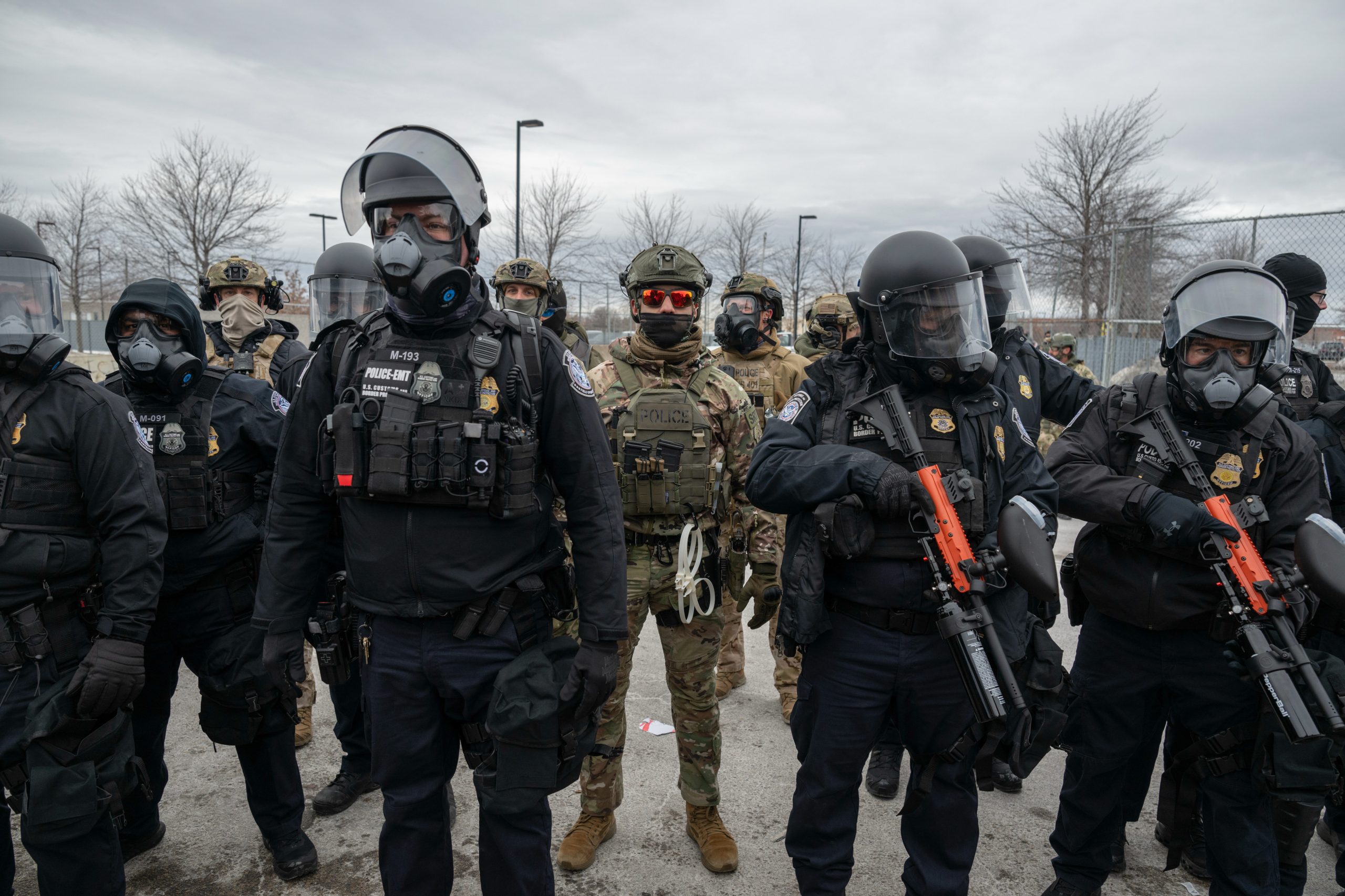
The protests in Minneapolis, reportedly triggered by an Immigration and Customs Enforcement (ICE) incident, have become the focal point of Trump’s threat. While details of the specific ICE incident remain limited in the provided source material, it’s clear that the demonstrations have caused disruption, including blocked traffic and targeting federal agents. The question remains whether these protests, however disruptive, truly constitute an “insurrection” warranting the deployment of federal troops. Legal experts will undoubtedly debate the interpretation of the law and whether the situation meets the threshold for presidential intervention.
Echoes of the Past, Questions for the Future
Trump’s consideration of the Insurrection Act evokes the anxieties surrounding the January 6th insurrection, a stark reminder of the fragility of democratic institutions and the potential for political instability. The invocation of such a law carries significant historical weight and sets a precedent that could be exploited by future administrations. The current situation raises fundamental questions about the balance between maintaining order and protecting the rights of citizens to protest and express their dissent. Whether Trump ultimately acts on his threat, the mere suggestion has ignited a national conversation about the limits of presidential power and the delicate balance of civil liberties in a democratic society.
Based on materials: Vox



