
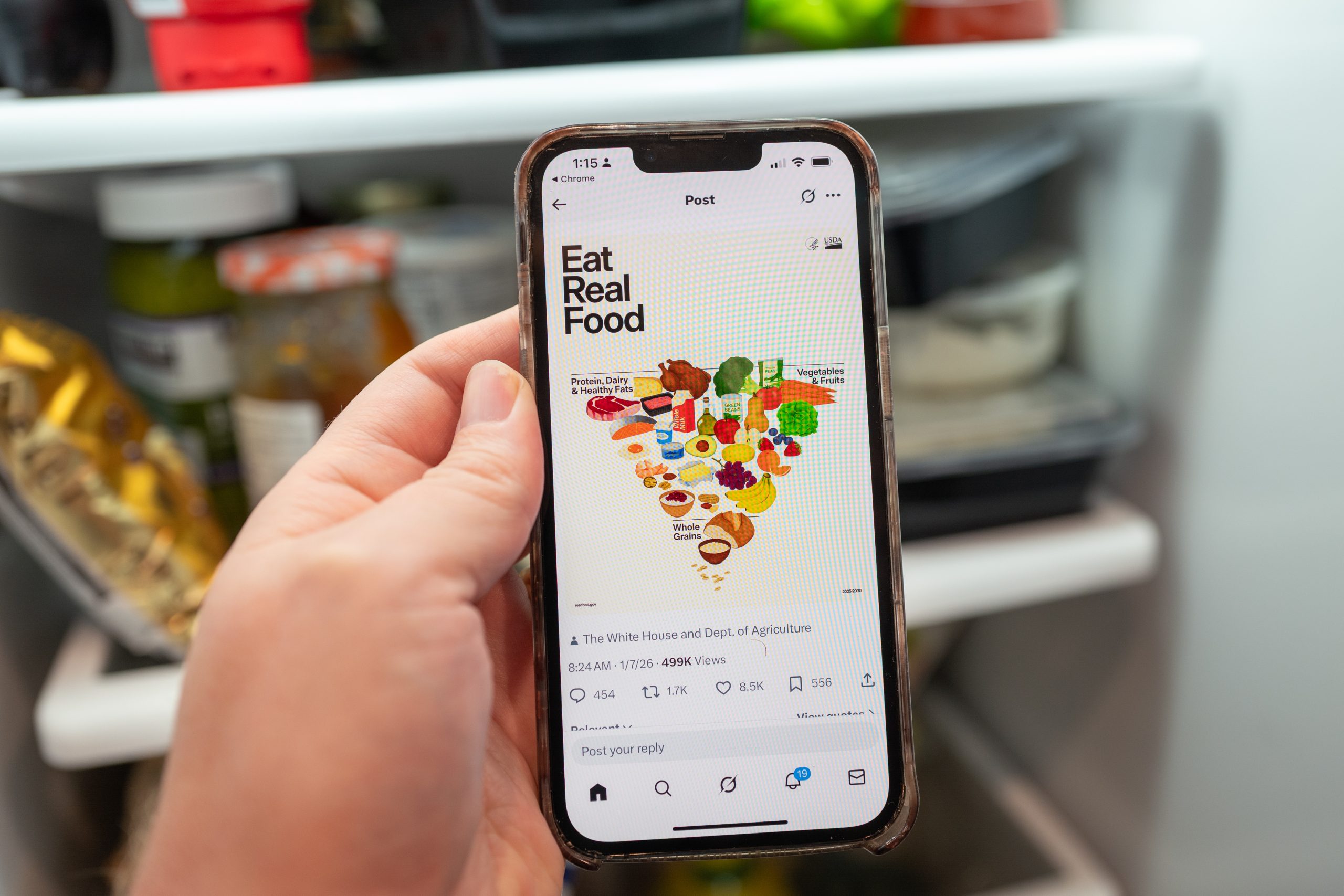
The American dietary landscape is poised for a dramatic shift, potentially by 2026, driven by the “Make America Healthy Again” (MAHA) movement and evolving consumer preferences. Health Secretary Robert F. Kennedy Jr.’s recent unveiling of a revised – some might say inverted – food pyramid signals a departure from conventional wisdom, prioritizing fats and proteins while downplaying processed carbohydrates and added sugars. But is this government-led initiative the sole determinant of our future eating habits?
MAHA’s Muscle: Protein Power and Supplement Surge
The core principle behind MAHA is a move away from processed foods and towards whole, nutrient-dense options. This translates to an emphasis on protein, particularly from animal sources, and a corresponding reduction in sugary and carbohydrate-heavy items. Experts predict a surge in supplement consumption, aligning with MAHA’s focus on optimizing health through targeted nutrition. This shift could dramatically impact the food industry, favoring producers of meat, dairy, and nutritional supplements while challenging manufacturers of processed foods and sugary drinks. However, the long-term efficacy and accessibility of this protein-centric approach remain subjects of debate.
Sweet Surrender: The Unyielding Appeal of Sugar
Despite MAHA’s efforts, the allure of sugar is unlikely to disappear entirely. While the movement advocates for reduced sugar intake, other forces are pushing in the opposite direction. Consumer demand for indulgent treats and innovative flavor profiles could lead to even sweeter beverages and desserts. The challenge lies in finding a balance between public health goals and individual preferences. Can the food industry innovate to create healthier alternatives that still satisfy our collective sweet tooth?
Beyond the Pyramid: A Multifaceted Future
Ultimately, the future of American eating habits is not solely determined by government initiatives. Consumer trends, technological advancements, and economic factors will all play a role. The rise of personalized nutrition, driven by data and AI, could offer tailored dietary recommendations based on individual needs and preferences. Simultaneously, concerns about sustainability and ethical sourcing are likely to influence food choices, potentially leading to increased demand for plant-based alternatives and locally sourced products. The food pyramid may be a guide, but the path to a healthier and more sustainable food future requires a holistic and adaptable approach.
In conclusion, while MAHA aims to revolutionize the American diet, its success hinges on a complex interplay of factors. The tension between government recommendations, consumer desires, and market forces will shape the food landscape in the years to come. Whether we embrace the protein-powered vision or succumb to the siren song of sugar, the choices we make will determine the future of our health and the food industry.
Based on materials: Vox



