
Can America Rebuild Beauty? Addressing the Housing Crisis
America faces a daunting challenge: a housing affordability crisis fueled by a dire shortage of homes. Experts estimate the nation needs to build roughly 4 million more homes to alleviate the pressure. But simply expanding outwards with more suburban sprawl isn’t the answer; in fact, reliance on sprawl is a significant contributor to the problem. The question then becomes, how can America build not just more homes, but
beautiful
places to live?
The NIMBY Obstacle and Its Roots
One of the biggest hurdles to increasing housing density is the vocal opposition from local residents, often dubbed “NIMBYs” (Not In My Backyard). These individuals frequently resist the construction of new apartments, duplexes, or anything denser than single-family homes in their neighborhoods. While concerns about property values and increased traffic are common arguments, research suggests deeper, more troubling motivations are often at play. Studies have linked NIMBYism to deeply rooted biases, including racism and classism, highlighting the complex social dynamics that influence housing development. Overcoming these ingrained prejudices is crucial for creating more inclusive and affordable communities.
Rethinking Urban Design: Courtyard Housing and Beyond
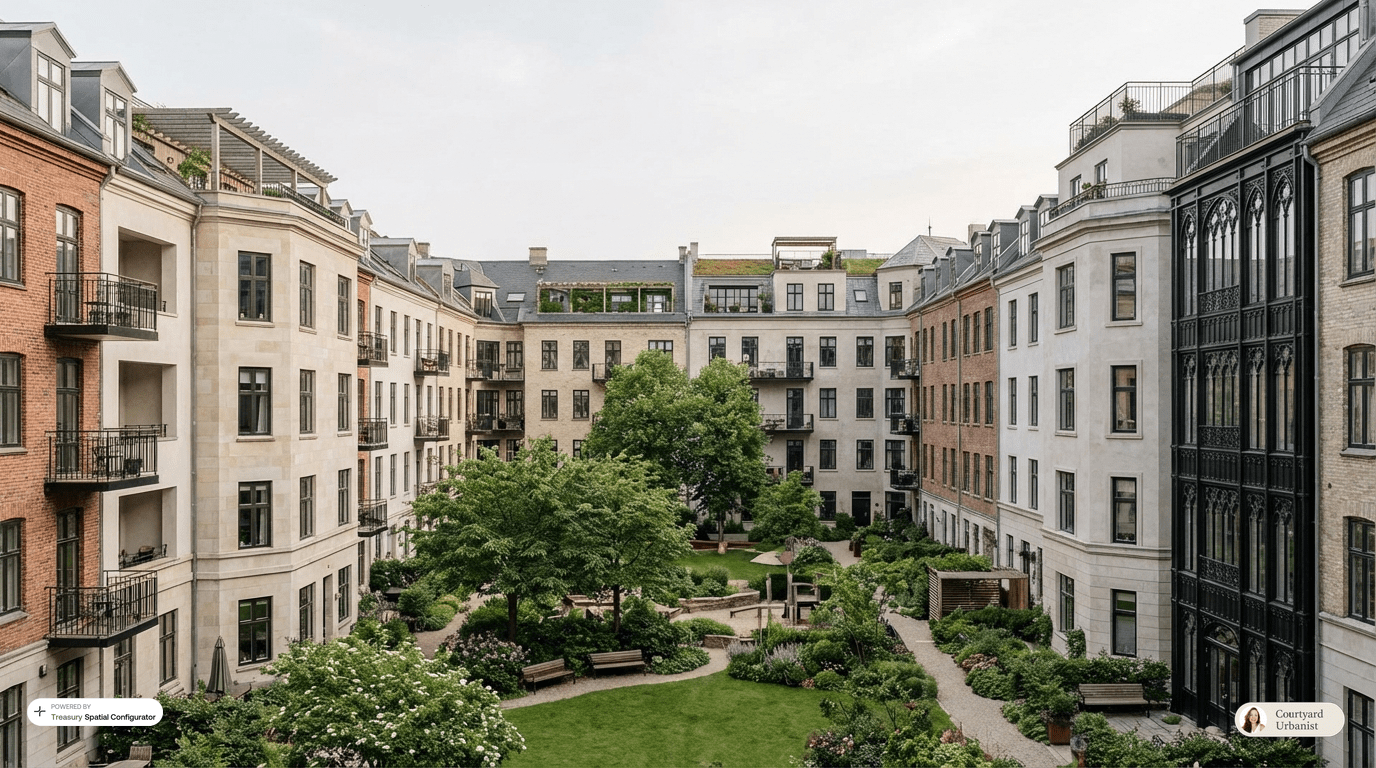
Instead of endless sprawl, architects and urban planners are exploring innovative design solutions that prioritize community, aesthetics, and sustainability. One promising model is courtyard housing, which clusters apartments or townhouses around a shared green space. This design fosters a sense of community, provides residents with access to nature, and can be adapted to various densities and contexts. Furthermore, embracing mixed-use developments, where residential, commercial, and recreational spaces are integrated, can create vibrant, walkable neighborhoods that reduce reliance on cars and promote social interaction.
Building a More Beautiful and Affordable Future
Addressing the housing crisis requires a multi-faceted approach. Overcoming NIMBYism, embracing innovative urban design, and implementing policies that incentivize density and affordability are all essential steps. It’s not just about building more homes; it’s about creating communities that are beautiful, sustainable, and inclusive. This necessitates a shift in mindset, from prioritizing individual property values to embracing the collective good of a more affordable and vibrant society. By prioritizing thoughtful design, community engagement, and equitable policies, America can rebuild not just its housing stock, but also its cities and towns, creating places where everyone can thrive.
Based on materials: Vox



