
Food as Medicine: RFK Jr.’s Rx for America’s Health Crisis
Robert F. Kennedy Jr.’s “Make America Healthy Again” (MAHA) initiative is championing a bold, albeit familiar, approach to tackling the nation’s widespread health issues: food. Embracing the increasingly popular mantra, “food is medicine,” Kennedy’s organization recently unveiled new dietary guidelines, framing improved eating habits as a key solution to America’s chronic disease epidemic.
The “Food is Medicine” Movement Gains Momentum
The concept of food as medicine isn’t new. For centuries, cultures around the world have recognized the profound impact of diet on overall health and well-being. However, in recent years, the movement has gained significant traction, fueled by growing awareness of the detrimental effects of processed foods and the increasing prevalence of chronic diseases like diabetes and heart disease. Kennedy’s MAHA initiative is tapping into this existing sentiment, amplifying the message that mindful eating can be a powerful tool for disease prevention and management.
An Inverted Food Pyramid: Prioritizing Real Foods
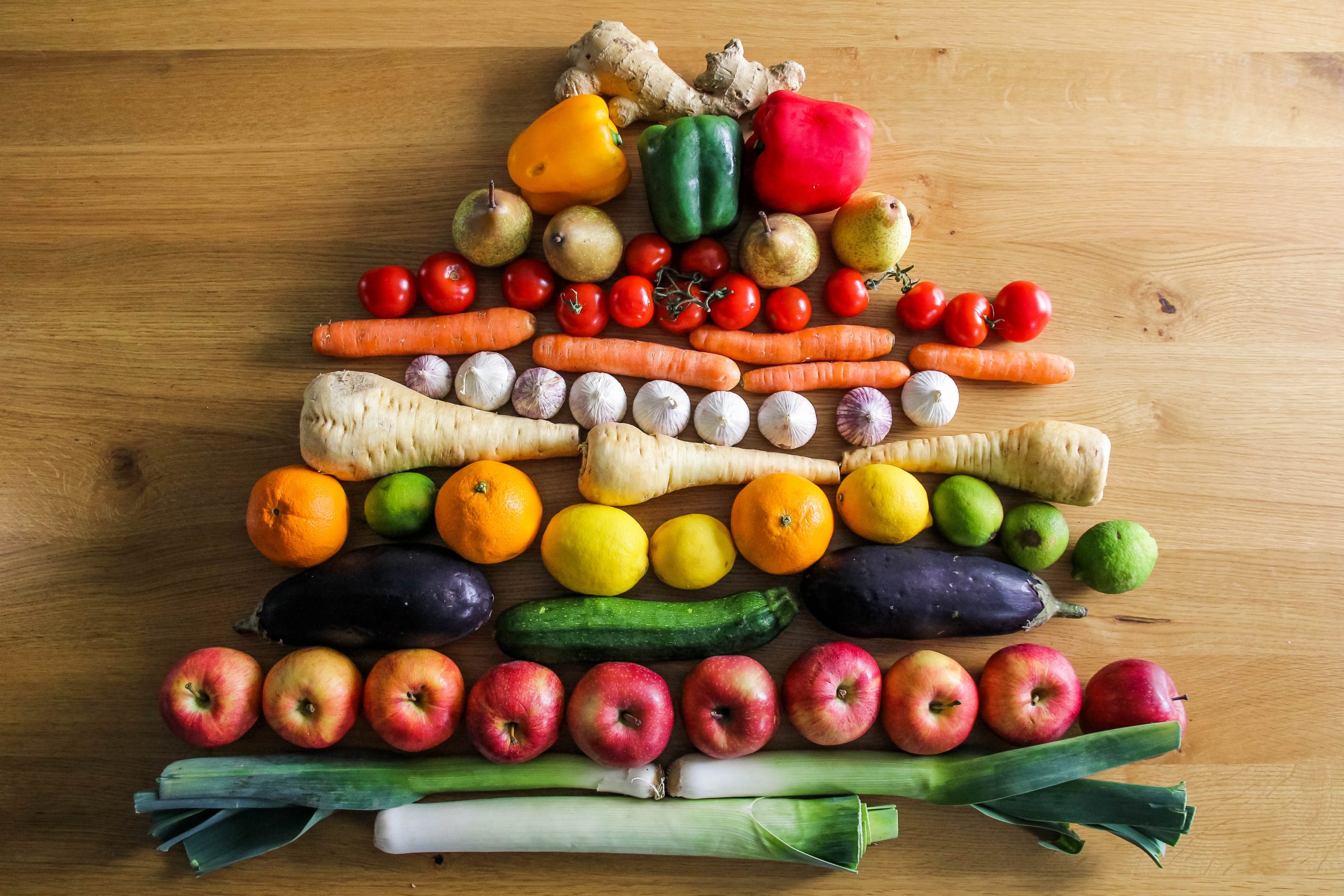
At the heart of MAHA’s guidelines is an “inverted food pyramid,” a visual representation of dietary priorities. Kennedy’s message is simple: “Eat real food.” This directive emphasizes consuming whole, unprocessed foods while minimizing the intake of ultra-processed items laden with sugar, unhealthy fats, and artificial additives. This approach aligns with a growing body of scientific evidence linking processed foods to a range of health problems, including obesity, inflammation, and increased risk of chronic diseases.
Beyond the Hype: A Nuanced Perspective
While the “food is medicine” movement holds considerable promise, it’s crucial to approach it with a balanced perspective. It’s undeniable that diet plays a critical role in health, but it’s not a panacea. Chronic diseases are often complex and multifaceted, influenced by genetics, lifestyle factors, environmental exposures, and access to healthcare. Over-simplifying the issue can lead to unrealistic expectations and potentially harmful dietary restrictions. Food can be an important part of the solution, but it is not the
only
solution.
Conclusion: A Call for Mindful Eating
RFK Jr.’s MAHA initiative is contributing to a vital conversation about the power of food in promoting health and preventing disease. By advocating for a return to “real food” and highlighting the dangers of processed foods, the organization is encouraging Americans to make more conscious choices about their diet. While the “food is medicine” approach should be viewed as one piece of a larger puzzle, it has the potential to empower individuals to take control of their health and well-being through mindful eating.
Based on materials: Vox



