
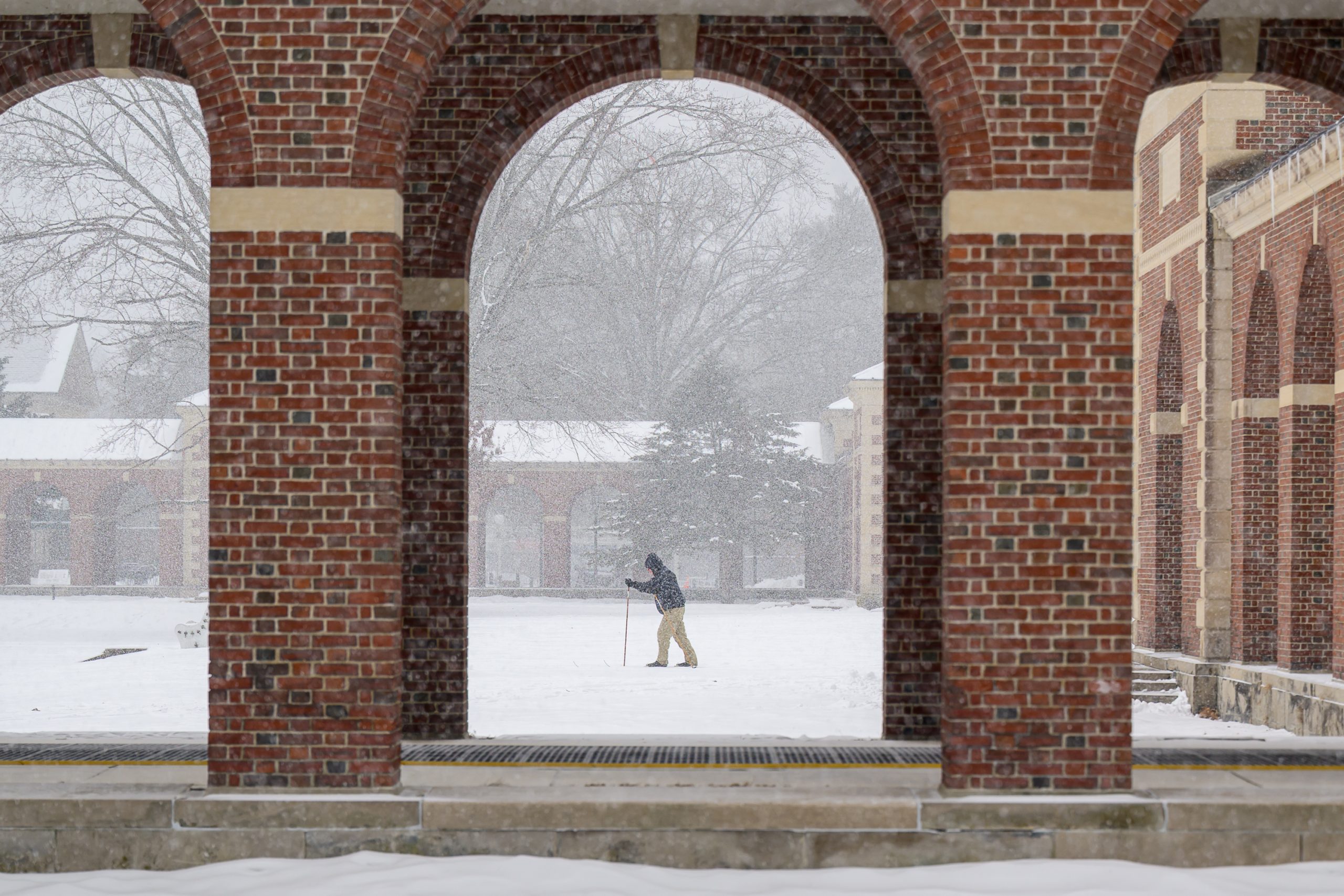
Arctic Blast: Why Winter Storms Are Outsmarting Forecasters
A bone-chilling arctic airmass has descended upon the United States, plunging at least 45 states into a deep freeze and impacting two-thirds of the nation. The National Weather Service has issued stark warnings about “dangerously cold and very dry Arctic air” creating a life-threatening risk of hypothermia and frostbite. This extreme winter storm, one of the most severe in recent years, has already led to school closures, grocery store rushes, and warnings from power grid operators bracing for unprecedented demand. But beyond the immediate impact, this event raises a crucial question: why did weather forecasts struggle to accurately predict the storm’s intensity and reach?
The Forecasting Challenge: A Perfect Storm of Factors
Predicting the precise behavior of winter storms is a notoriously complex endeavor. Several factors contribute to the difficulty in accurately forecasting these events. Firstly, the Arctic is warming at a rate twice as fast as the rest of the planet, disrupting established weather patterns and making long-range predictions less reliable. Secondly, the interaction between the polar vortex and mid-latitude weather systems is not fully understood, leading to uncertainties in forecasting the intensity and track of cold air outbreaks. Finally, the limited availability of observational data in the Arctic region further hinders the ability of weather models to accurately simulate the behavior of these storms.
Beyond the Models: A Need for Better Communication
While advancements in weather modeling have significantly improved forecasting accuracy over the years, the recent struggles highlight the limitations of current technology. It underscores the need for ongoing research into the complex dynamics of the Arctic and its influence on global weather patterns. Furthermore, it emphasizes the importance of effective communication of forecast uncertainties to the public. While models may provide a general outlook, it is crucial to acknowledge the potential for significant deviations and to encourage preparedness for a range of possible scenarios.
Preparing for the Future: Resilience and Adaptation
The recent extreme winter storm serves as a stark reminder of the increasing vulnerability of communities to extreme weather events. As climate change continues to reshape the planet, it is essential to invest in infrastructure that can withstand the impacts of these events. This includes upgrading power grids, improving building codes, and enhancing emergency response capabilities. Furthermore, individuals can take proactive steps to protect themselves and their families by preparing emergency kits, insulating homes, and staying informed about weather forecasts. The ability to adapt to and mitigate the impacts of extreme weather events will be critical to building resilient communities in the face of a changing climate.
SOURCE INFORMATION:
TITLE: Why forecasters struggled to see this extreme winter storm coming
DESCRIPTION: Already, a bitter burst of cold is gripping much of the country, and in the next few days, it will reach at least 45 states and extend across two-thirds of the country. It is one of the most extreme winter storms in years. The National Weather Service on Thursday warned that “dangerously cold and very dry Arctic air” will spill into the continental United States and lead to “life-threatening risk of hypothermia and frostbite” as temperatures drop well into negative territory, creating some of the coldest weather on Earth. For millions of Americans, this is not just a forecast anymore. Schools were already announcing closures around the country Thursday morning. Lines were forming at grocery stores. The Texas power grid operator issued a winter warning as it braces for higher electricity demand and disruptions from freezing rain. W
SOURCE: Vox
Based on materials: Vox



