
The world holds its breath as the last vestige of nuclear arms control between the United States and Russia, the New Strategic Arms Reduction Treaty (New START), is set to expire this Wednesday. Unless a dramatic, last-minute agreement materializes from either Washington or Moscow, the treaty’s demise raises chilling prospects of a renewed nuclear arms race, reversing decades of efforts to limit these devastating weapons.
The End of an Era: New START’s Legacy
The New START treaty, which came into force in 2011, was designed to replace the original START treaty, a post-Cold War agreement aimed at curbing the nuclear arsenals of the two superpowers. New START imposed verifiable limits on the number of deployed nuclear warheads and delivery systems, specifically capping each side at a maximum of 1,550 deployed warheads. This represented a significant 30% reduction compared to the limits established in 2002. Crucially, it also included provisions for on-site inspections to ensure compliance, fostering a degree of transparency and trust.
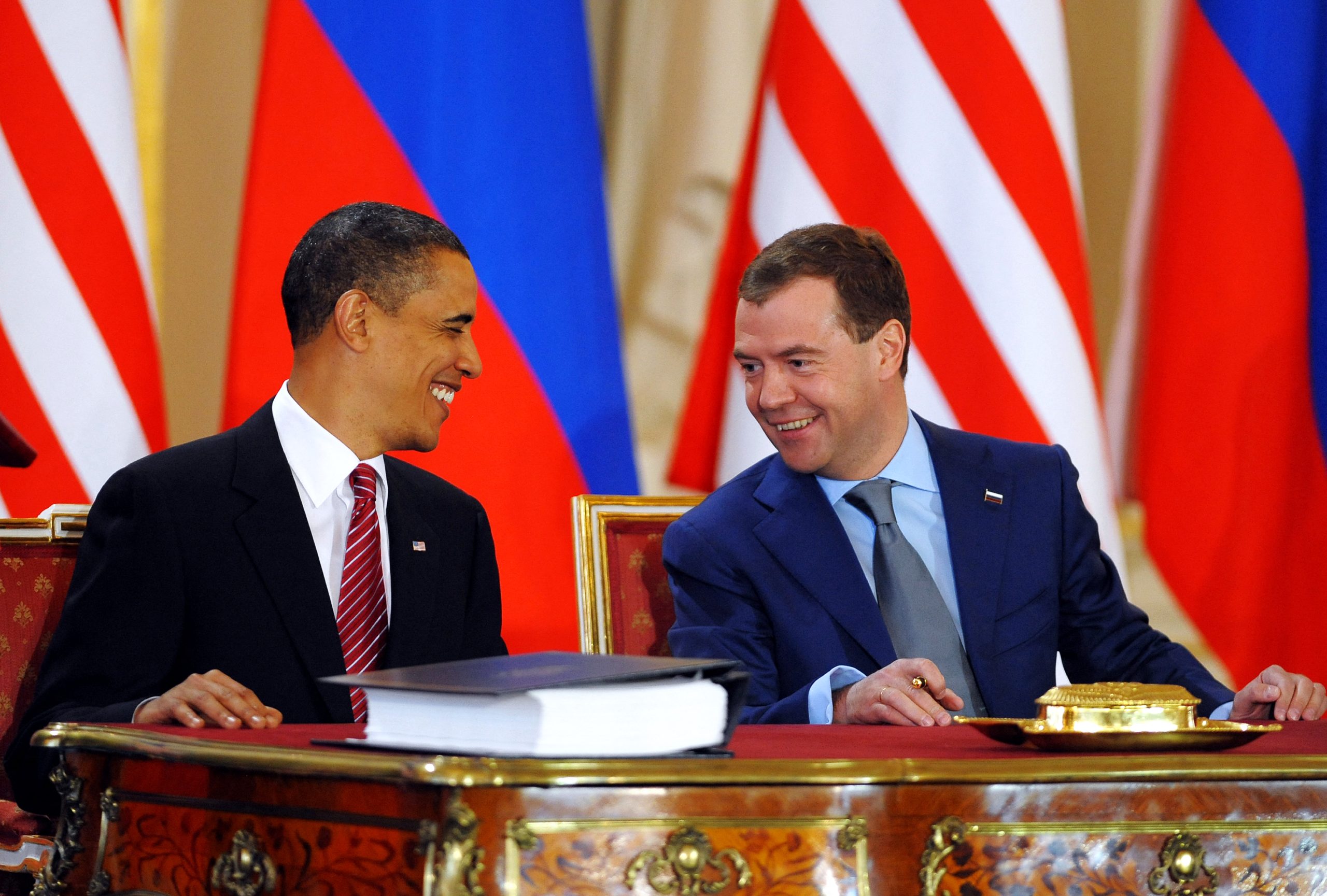
The treaty’s origins trace back to a period of cautious optimism in US-Russia relations. Signed by then-Presidents Barack Obama and Dmitry Medvedev in 2010, New START symbolized a commitment to de-escalation and strategic stability. However, the geopolitical landscape has drastically shifted since then.
A Thawing Relationship Turns Icy
The expiration of New START comes amid a backdrop of escalating tensions between the US and Russia, fueled by the war in Ukraine and a host of other disagreements. The breakdown in trust and communication has made it increasingly difficult to negotiate extensions or replacements for arms control agreements. Moscow has repeatedly accused Washington of undermining the treaty regime, while the US has expressed concerns about Russia’s compliance and development of new nuclear weapons systems.
The Specter of a New Arms Race
Without New START, there are no legally binding limits on the nuclear arsenals of the US and Russia. This opens the door to a potential arms race, where both countries could feel compelled to increase their nuclear stockpiles and develop new, more advanced weapons in a bid to maintain or gain a strategic advantage. This could lead to a dangerous cycle of escalation, increasing the risk of miscalculation and accidental conflict. The absence of on-site inspections also eliminates a crucial mechanism for verifying compliance, further eroding trust and stability.
The expiration of New START marks a dangerous turning point in international security. While the possibility of a last-minute agreement cannot be entirely ruled out, the current trajectory points toward a renewed nuclear arms race, with potentially catastrophic consequences for the world. The need for renewed dialogue and a commitment to arms control has never been more urgent.
Based on materials: Vox



