
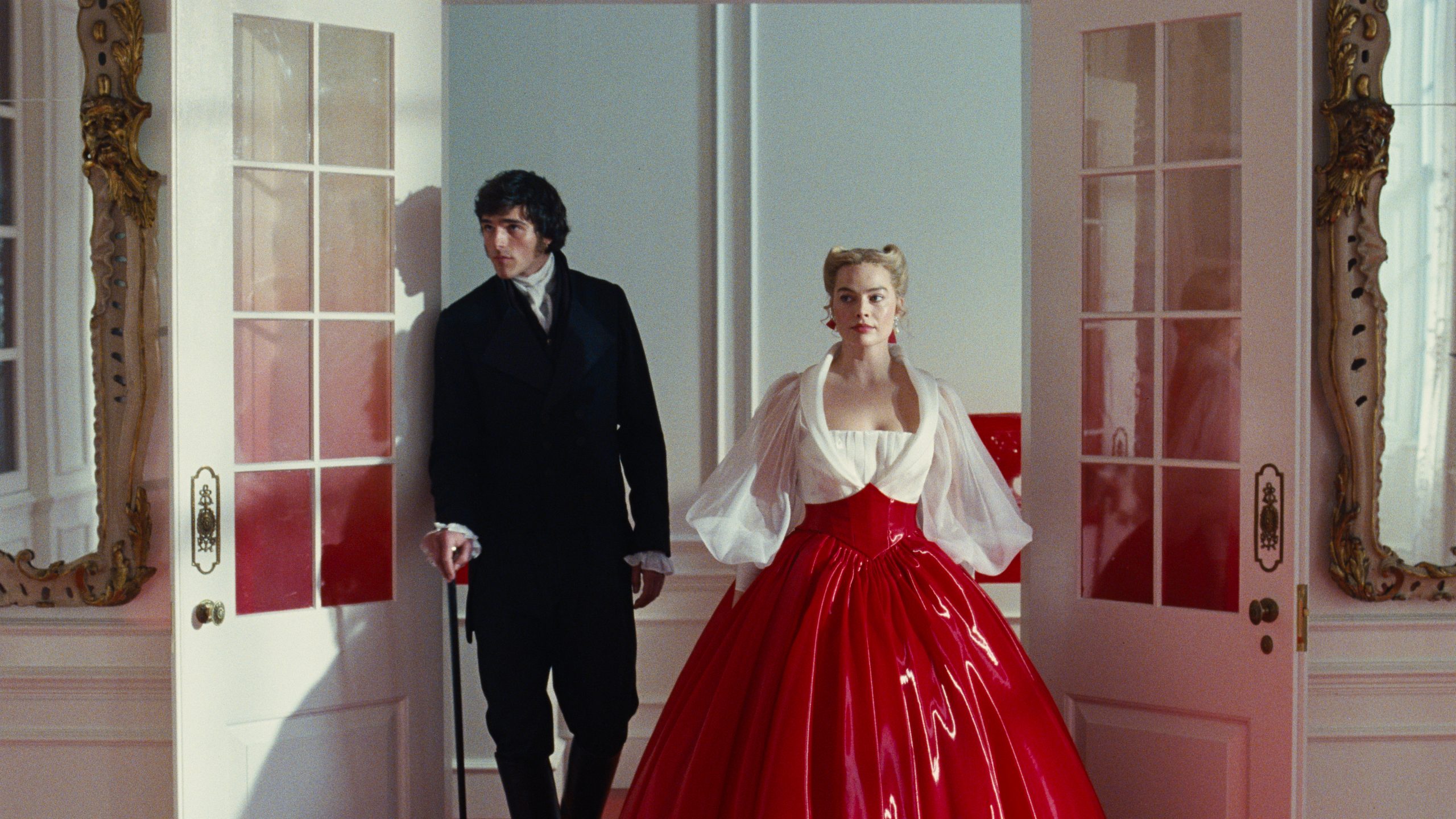
Emerald Fennell, the director known for her provocative style, is taking on Emily Brontë’s “Wuthering Heights.” But is Fennell’s “fantasia” truly capturing the raw, unsettling core of the original gothic romance, or is it merely a stylized shadow of its former self? While promising a dark and sexy take on the tale of Heathcliff and Catherine, some critics are questioning whether the adaptation delivers on its promise of edginess.
A Fantasia, Not a Faithful Adaptation
Fennell herself has been upfront about her approach. She isn’t aiming for a straight adaptation, but rather a “tiny piece” of the book explored through her unique lens. This immediately sets expectations, and for purists, perhaps raises a red flag. “Wuthering Heights” is, at its heart, a story of destructive, all-consuming love between two deeply flawed individuals. Any adaptation that shies away from this uncomfortable truth risks losing the novel’s power.
The Promise of Sexy Sociopaths
The hype surrounding Fennell’s project heavily emphasizes the “sexy” and “dark” elements of the story. The expectation is that the film will delve into the twisted psychology of Heathcliff and Catherine, exploring their obsessive love and the pain they inflict on each other and those around them. The opening scenes, teasing with ambiguous sounds of pleasure, seem to confirm this intention. But does the film sustain this level of intensity throughout?
Is Showiness Enough?
The core question remains: does Fennell’s stylized aesthetic truly capture the essence of “Wuthering Heights,” or does it prioritize visual flair over substantive exploration of the characters’ inner turmoil? Brontë’s novel is unsettling not just for its plot, but for its unflinching portrayal of human nature’s capacity for cruelty and obsession. For a modern adaptation to truly resonate, it needs to go beyond surface-level darkness and delve into the uncomfortable depths of the human psyche, something the source material questions if this adaptation manages to do.
Ultimately, whether Fennell’s “Wuthering Heights” succeeds depends on its ability to balance its stylized vision with the raw emotional core of Brontë’s masterpiece. It’s a high bar to clear, and only time will tell if this new interpretation can live up to the enduring legacy of the original.
Based on materials: Vox



