
Global Wildfire Threat Doubling: Climate Change Fuels Simultaneous Blazes
The world is facing a dramatically escalating wildfire crisis, with new research revealing a disturbing trend: the simultaneous occurrence of extreme fire weather conditions across multiple regions is more than doubling. This alarming pattern, fueled significantly by climate change, paints a grim picture of a future where devastating wildfires become increasingly frequent and widespread.
A World Ablaze: The Rise of Simultaneous Wildfires
A groundbreaking study published in
Science Advances
sheds light on the growing synchronicity of wildfire-prone conditions. Researchers found that the confluence of extreme heat, high winds, and severe drought—the perfect storm for major wildfires—is now occurring more than twice as often as it did nearly half a century ago. This means that instead of isolated incidents, the world is increasingly vulnerable to multiple, simultaneous wildfires, stretching resources and exacerbating the overall impact.
The research points a clear finger at climate change, identifying it as a primary driver behind this dangerous trend. Approximately half of the increase in simultaneous wildfire conditions can be directly attributed to the changing climate. As global temperatures rise and weather patterns become more erratic, the conditions that fuel wildfires are becoming more prevalent and synchronized across different geographical locations.
Echoes of Devastation: Australia’s Brush with Catastrophe
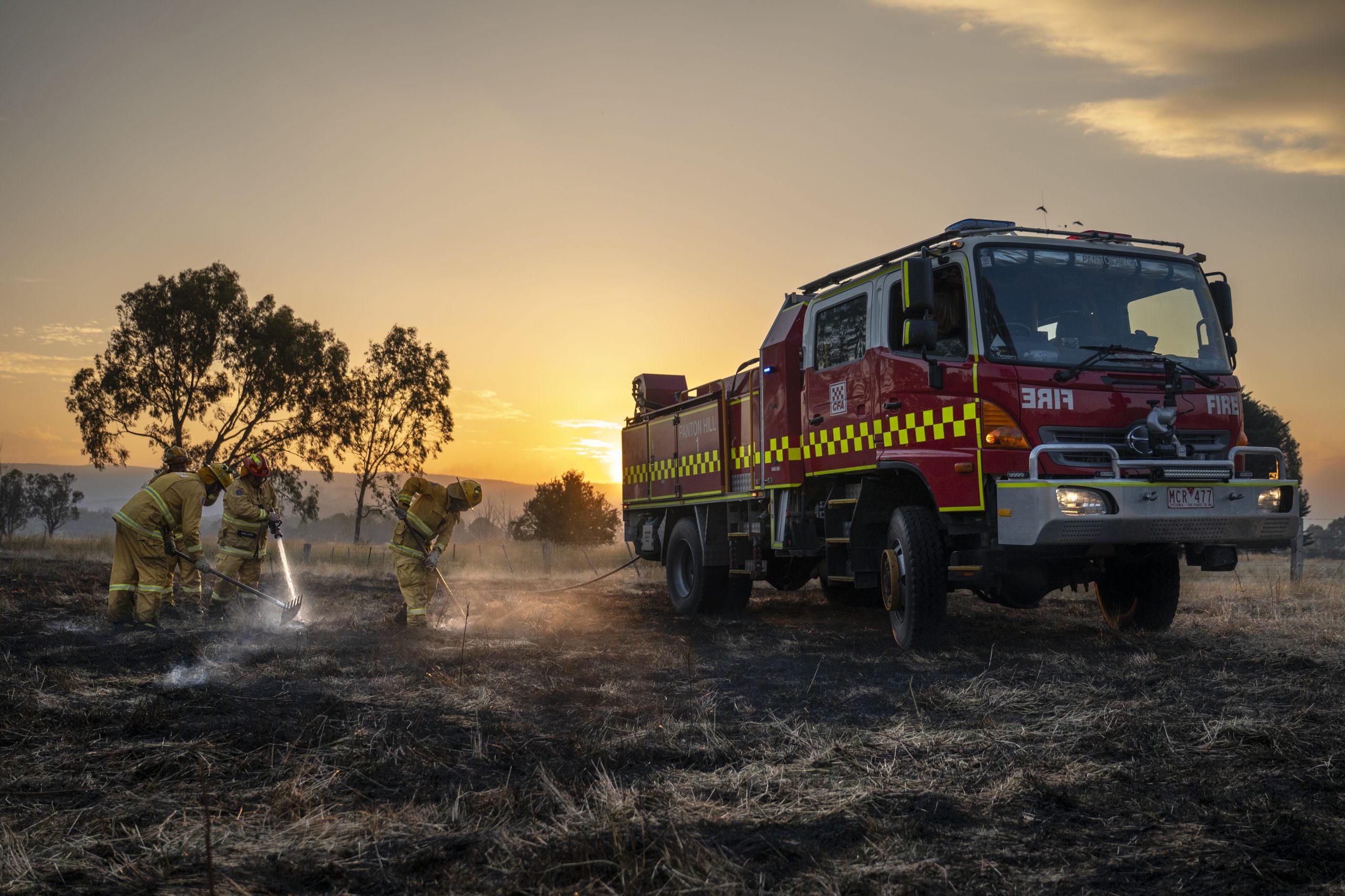
The real-world consequences of this trend are already being felt. The recent bushfires in Victoria, Australia, serve as a stark reminder of the destructive potential of simultaneous wildfires. On January 10, 2026, the region experienced its most catastrophic bushfire conditions since the devastating 2019-2020 fires. Over 30 blazes raged across 350,000 hectares, destroying over 300 structures. This event underscores the vulnerability of communities and ecosystems to increasingly intense and synchronized wildfire threats.
Looking Ahead: A Call to Action
The findings of this study are a clear call to action. Addressing the escalating wildfire crisis requires a multi-pronged approach. Mitigation efforts focused on reducing greenhouse gas emissions are crucial to slowing the pace of climate change and mitigating its impact on wildfire risk. In addition, proactive wildfire management strategies, including prescribed burns, vegetation management, and improved early detection systems, are essential to reducing the risk of ignition and containing fires before they spread out of control. Furthermore, international cooperation and resource sharing are needed to effectively respond to simultaneous wildfires occurring in different regions of the world.
The increasing synchronicity of wildfire conditions is a stark warning of the escalating consequences of climate change. As the world heats up and extreme weather events become more frequent, the threat of simultaneous wildfires will only continue to grow. Addressing this challenge requires immediate and concerted action to mitigate climate change, improve wildfire management practices, and protect communities and ecosystems from the devastating impacts of these increasingly frequent and intense blazes.
Based on materials: Vox



