
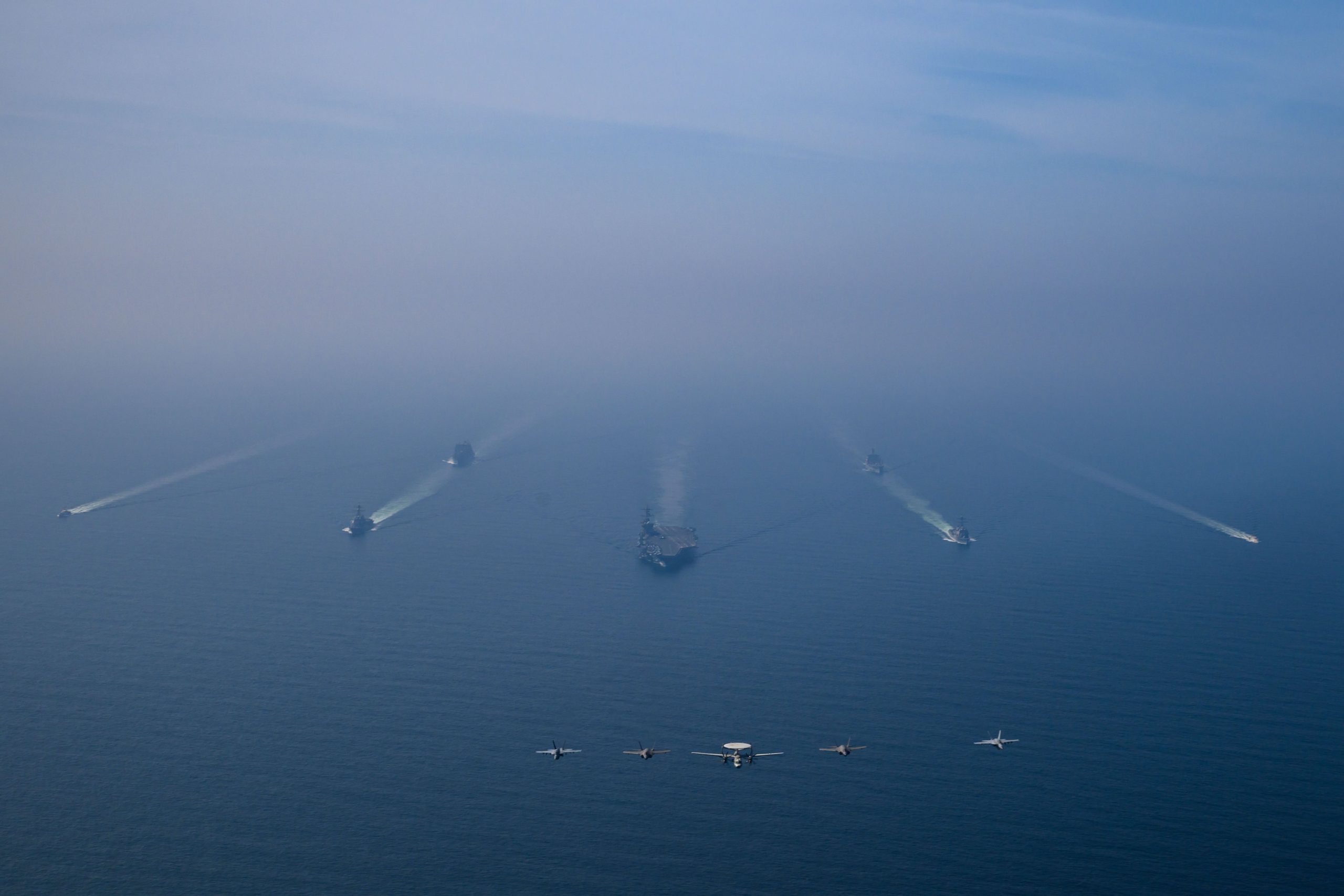
U.S. Military Poised for Action in Middle East Amidst Stalled Diplomacy
Amidst escalating tensions and stalled diplomatic efforts, the United States military is reportedly undertaking a significant build-up of forces in the Middle East, sparking concerns of potential military action against Iran. The moves come as discussions aimed at addressing U.S. concerns about Iran’s nuclear program and sanctions relief appear to have reached an impasse.
Military Buildup and Potential Timetable
Reports indicate that the current military build-up is the largest seen in the region in decades. While specific details remain closely guarded, military officials have suggested that strikes could potentially occur in the near future, with some reports mentioning a possible timeframe as early as this weekend. This heightened state of readiness has also prompted the evacuation of some U.S. personnel from the region, further fueling speculation about imminent action. The increased military presence includes naval assets, air power, and ground troops, strategically positioned to respond to a range of potential scenarios.
Diplomatic Deadlock in Geneva
Despite the looming threat of military intervention, diplomatic channels remain, at least officially, open. Recent talks in Geneva, Switzerland, saw representatives from the Trump administration, including foreign envoy Steve Witkoff and Jared Kushner, engaging with senior Iranian officials. The aim of these discussions was to find common ground on issues such as Iran’s nuclear program and the easing of sanctions, a key demand from the Iranian side. However, progress has been slow, with both sides seemingly entrenched in their positions. The failure to achieve a breakthrough in Geneva has undoubtedly contributed to the increased likelihood of military action.
Geopolitical Ramifications and Regional Instability
The potential for military conflict between the U.S. and Iran carries profound geopolitical ramifications. The Middle East is already grappling with numerous conflicts and proxy wars, and a direct confrontation between these two powers could further destabilize the region, potentially drawing in other nations and exacerbating existing tensions. Beyond the immediate impact, such a conflict could have long-term consequences for global energy markets, international trade, and the overall security landscape. The international community is watching the situation with growing apprehension, urging both sides to exercise restraint and pursue a peaceful resolution to the ongoing crisis.
Conclusion
The situation in the Middle East remains volatile. As diplomatic efforts falter, the increasing military presence suggests a growing willingness by the U.S. to consider military options. While the ultimate course of action remains uncertain, the stakes are undeniably high, with the potential for far-reaching consequences for the region and the world. The coming days and weeks will be critical in determining whether a path to de-escalation can be found or whether the region is headed towards further conflict.
Based on materials: Vox



