
Iran Conflict: Will Trump’s War Spark Global Economic Crisis?
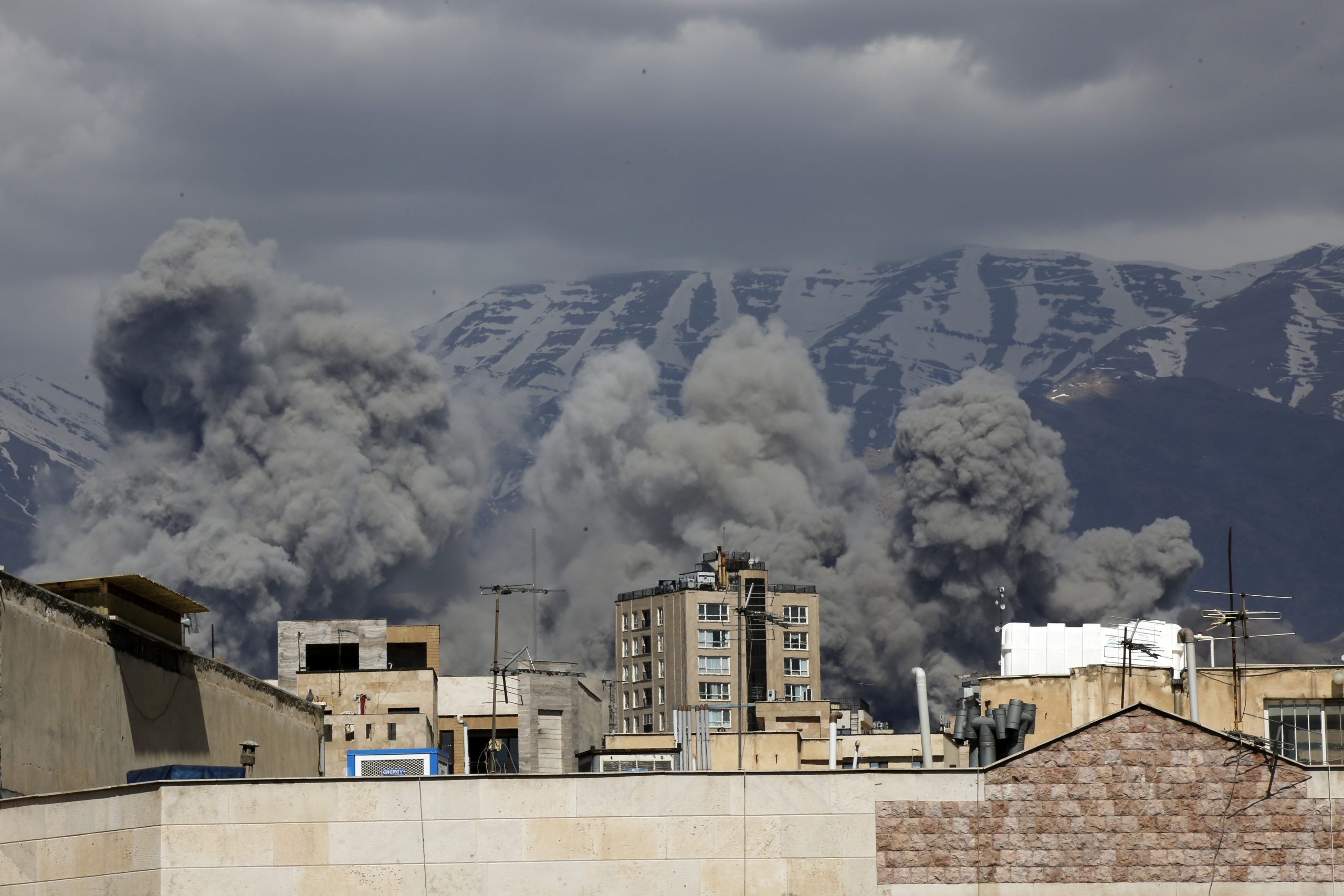
A new conflict has erupted in the Middle East, with the United States and Israel launching military actions against Iran. The initial strikes reportedly resulted in the death of Iran’s Supreme Leader, Ayatollah Ali Khamenei, along with numerous other Iranian officials. Tragically, reports also indicate that over 150 individuals, including young girls at an elementary school, were among the casualties. Iran has retaliated with attacks targeting Israel, U.S. bases in the region, and civilian areas in neighboring Arab nations.
This escalating conflict threatens to destabilize the Middle East further, but the potential consequences extend far beyond regional borders. Experts are now warning that this war, initiated under President Trump, could trigger a global economic crisis, primarily fueled by a surge in energy prices.
The Looming Threat to Oil Prices
The most immediate economic impact of the conflict will be a sharp increase in oil prices. The extent and duration of this price surge remain uncertain, but the underlying dynamics are clear. Iran is a major oil producer, and any disruption to its production or export capabilities will inevitably tighten global supply. Moreover, the conflict introduces significant uncertainty into the market, as traders factor in the potential for further escalation and wider disruptions.
The danger isn’t just a temporary price spike. A prolonged conflict could lead to sustained high oil prices, impacting transportation costs, manufacturing, and overall inflation. This could severely hamper economic growth, particularly in countries heavily reliant on imported oil.
Beyond Oil: A Cascade of Economic Impacts
The impact of the conflict extends beyond oil prices. Increased geopolitical instability can disrupt global trade, discourage investment, and create uncertainty in financial markets. Supply chains, already strained by recent global events, could face further disruptions.
The conflict could also exacerbate existing inflationary pressures. As energy prices rise, businesses will likely pass those costs on to consumers, further fueling inflation. This could lead to a vicious cycle, as rising prices erode purchasing power and dampen economic activity.
Navigating an Uncertain Future
The conflict in Iran presents a significant challenge to the global economy. While the immediate focus is on the humanitarian and geopolitical dimensions of the crisis, policymakers must also be prepared to address the potential economic fallout. This includes measures to stabilize energy markets, mitigate inflationary pressures, and support vulnerable economies.
The coming weeks and months will be critical in determining the long-term consequences of this conflict. The world must hope for a swift and peaceful resolution to prevent a humanitarian catastrophe and avert a potential global economic crisis.
Based on materials: Vox



