
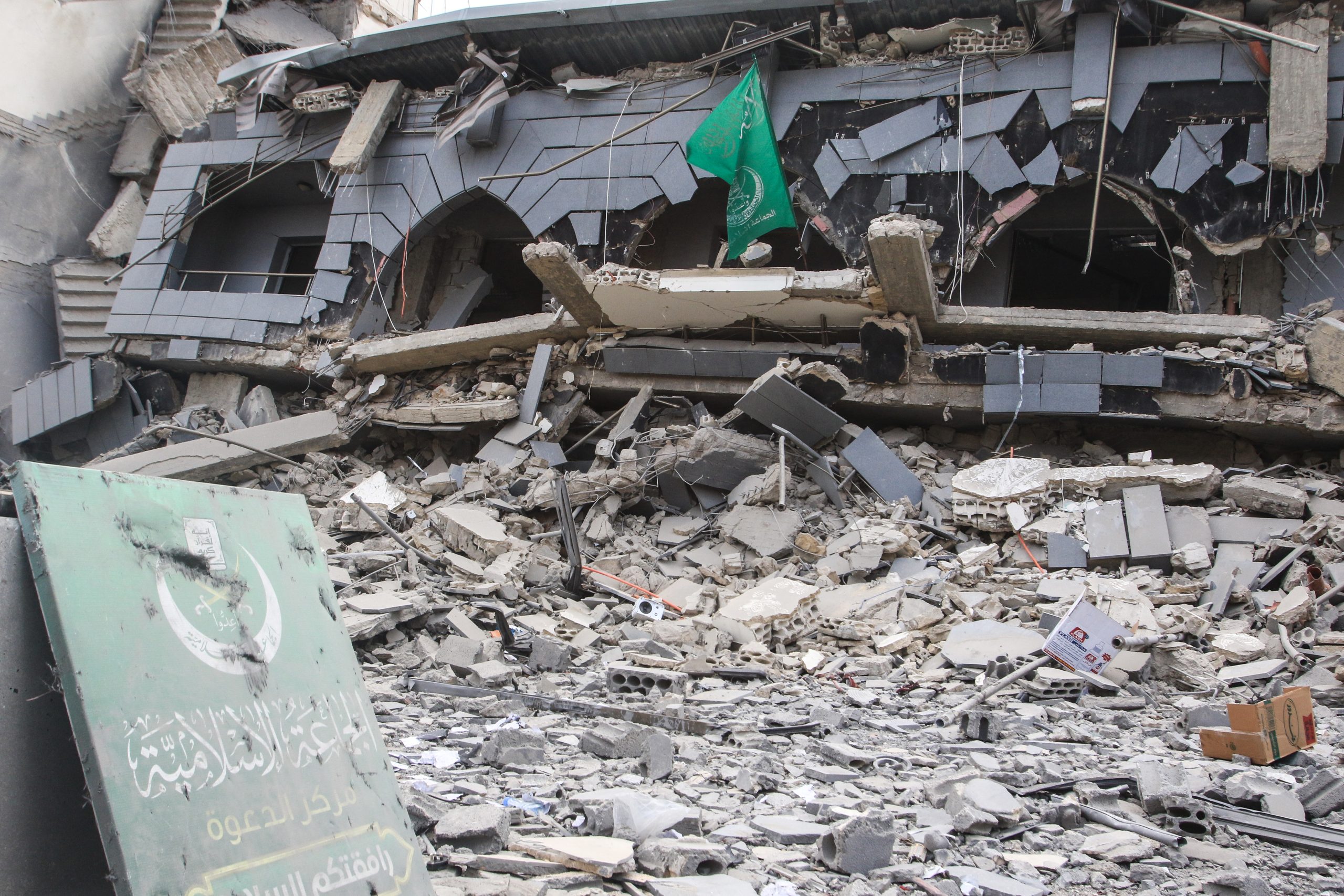
Iran’s Regional Strategy Falters Amid Middle East Turmoil
For years, Iran meticulously cultivated a network of allies across the Middle East, dubbed the “Axis of Resistance,” envisioning it as a deterrent against potential attacks on its own soil. This coalition, comprised of groups like Hezbollah in Lebanon, Houthi rebels in Yemen, and various militant factions in Iraq, was designed to project Iranian influence, promote its Shia Islamic ideology, and deter Western intervention. However, recent events, particularly those following the October 7th attacks, have exposed significant cracks in this carefully constructed strategy.
A Network Under Strain
The “Axis of Resistance” was intended to be a unified front, capable of unleashing a coordinated assault on Israel, U.S. military assets, and their regional allies in the event of an attack on Iran. Beyond military capabilities, the network served as a powerful tool for exerting political pressure and intimidating governments in the region. However, the current geopolitical landscape has revealed limitations and vulnerabilities within this alliance.
The conflict sparked by the October 7th attacks has placed immense strain on the “Axis of Resistance.” While these groups have engaged in varying degrees of action, their responses have been far from the coordinated and overwhelming display of force that Iran had envisioned. Furthermore, the actions of these groups have often been dictated by their own local agendas and constraints, rather than a unified strategic vision.
Internal Conflicts and Shifting Priorities
One of the key challenges facing the “Axis of Resistance” is the divergent interests and priorities of its constituent members. Hezbollah, for example, is deeply enmeshed in Lebanese politics and faces significant domestic pressures. The Houthis in Yemen are primarily focused on consolidating their control over the country. Iraqi militant groups are grappling with internal divisions and the complexities of Iraqi politics. These differing priorities have made it difficult to forge a cohesive and unified strategy.
The conflict has also exposed the limitations of Iran’s ability to control and direct the actions of its allies. While Iran provides financial and military support to these groups, it cannot dictate their every move. This lack of complete control has led to instances of miscalculation and unintended consequences, further undermining the effectiveness of the “Axis of Resistance.”
A Recalibration on the Horizon?
The unraveling of Iran’s “Axis of Resistance” strategy represents a significant setback for the Islamic Republic’s regional ambitions. While the network still exists, its effectiveness as a deterrent and a tool for projecting influence has been significantly diminished. Iran may now need to recalibrate its approach, focusing on strengthening its own military capabilities and pursuing more nuanced diplomatic strategies. The future of the “Axis of Resistance” remains uncertain, but it is clear that the events following October 7th have fundamentally altered the dynamics of the Middle East and challenged Iran’s long-held strategic assumptions.
Based on materials: Vox



