Iran Conflict Fuels Gas Price Surge: Impact on American Wallets
Geopolitical tensions often reverberate far beyond the battlefield, and the ongoing conflict with Iran is already hitting American consumers where it hurts most: at the gas pump. As military actions continue, the resulting uncertainty in the oil market has triggered a sharp rise in fuel prices across the United States, adding another layer of financial strain to everyday life.
Strait of Hormuz Fears Drive Price Hikes
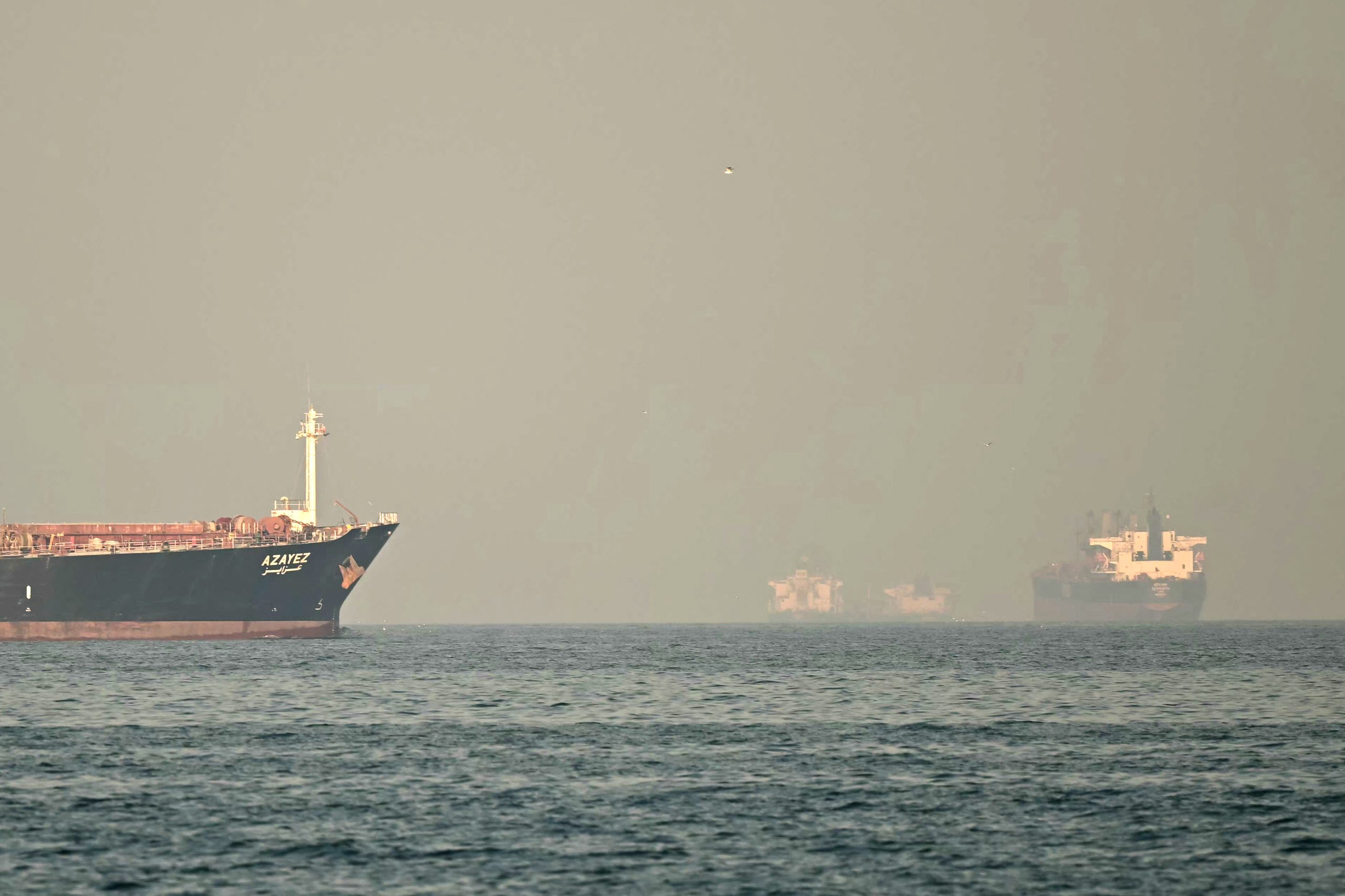
The immediate cause of the price surge is the escalating tension surrounding the Strait of Hormuz, a narrow waterway that serves as a crucial chokepoint for global oil and natural gas shipments. With Iran threatening to disrupt traffic through the strait, the potential for supply disruptions has sent jitters through the oil market, pushing prices upward.
Gas prices have already jumped to an average of $3.20 per gallon, a significant 22-cent increase from the previous week. Diesel prices have also soared, surpassing $4 per gallon for the first time in nearly two years, impacting transportation costs and potentially leading to higher prices for goods and services.
Ripple Effects on the Economy
The rise in fuel prices isn’t just a burden for individual drivers. It has broader implications for the American economy. Higher transportation costs can lead to increased prices for everything from groceries to consumer goods, potentially contributing to inflationary pressures. Businesses that rely heavily on transportation, such as trucking companies and delivery services, will also feel the pinch, potentially impacting their profitability and ability to expand.
Furthermore, rising fuel costs can disproportionately affect low-income households, who often spend a larger percentage of their income on transportation. This can exacerbate existing economic inequalities and make it harder for vulnerable families to make ends meet.
Uncertainty Looms
The long-term impact of the conflict on gas prices remains uncertain. If tensions ease and stability returns to the Strait of Hormuz, prices could stabilize or even decline. However, if the conflict escalates or supply disruptions occur, prices could climb even higher, further straining American wallets and adding to economic anxieties. The situation underscores the interconnectedness of global events and the vulnerability of the American economy to geopolitical instability.
SOURCE: Vox
Based on materials: Vox