
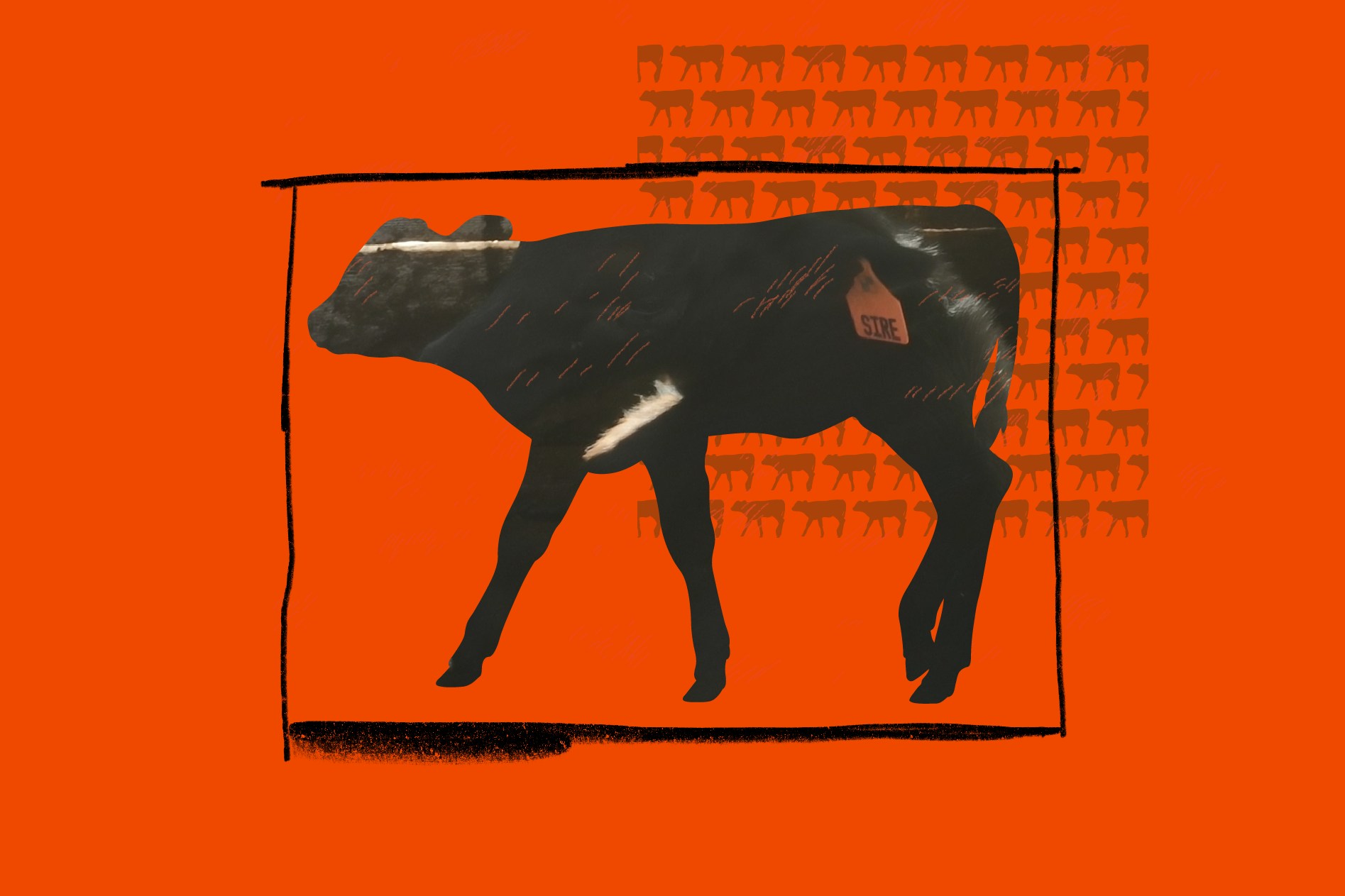
Dairy’s Dark Secret: Solitary Confinement for Baby Cows
The idyllic image of cows grazing in green pastures, happily providing milk for our cereal, often clashes sharply with the reality of modern dairy farming. While the fate of the milk is well-known, the lives of the approximately 9 million calves born into the dairy industry each year are often shrouded in secrecy. A recent exposé sheds light on a controversial practice: the widespread use of solitary confinement for newborn calves.
A Calf’s First Months: Isolation in “Apartments”
Many of these calves, just days old, are separated from their mothers and transported to facilities like the Grimmius Cattle Company in California’s Central Valley, the heart of America’s milk production. Grimmius houses a staggering 200,000 calves at any given time. From an aerial view, the facility resembles a miniature city, with rows upon rows of identical hutches, each housing a single calf. These “apartments,” as Grimmius calls them, are small, individual outdoor pens, barely larger than a tenth of a parking space.
The practice of keeping calves in individual hutches is defended by some in the industry as a way to prevent the spread of disease and monitor individual calf health. By isolating the newborns, farmers argue they can more effectively control infections and ensure each calf receives the necessary care and nutrition. However, animal welfare advocates strongly criticize this practice.
Ethical Concerns and the Debate Over Animal Welfare
Critics argue that solitary confinement deprives calves of essential social interaction and natural behaviors. Calves are social animals, and being isolated can lead to stress, behavioral problems, and a compromised immune system. Animal welfare organizations advocate for group housing, where calves can interact with each other, develop social bonds, and express their natural instincts.
The debate over calf housing highlights the broader ethical questions surrounding animal agriculture. Balancing the economic demands of dairy production with the welfare needs of the animals remains a significant challenge. Consumers are increasingly demanding greater transparency and accountability from the dairy industry, prompting a re-evaluation of traditional practices. While some farms are adopting more humane practices, such as group housing and extended mother-calf bonding, solitary confinement remains a widespread practice, raising serious ethical concerns about the treatment of these vulnerable animals.
Conclusion: A Need for Change?
The solitary confinement of baby cows in the dairy industry presents a stark contrast to the idealized image of pastoral farming. While arguments for disease control exist, the ethical implications of isolating these social animals are undeniable. As consumer awareness grows, the pressure on the dairy industry to adopt more humane practices will likely intensify, potentially leading to changes in regulations and a shift towards more welfare-focused farming methods. The future of dairy farming may depend on its ability to address these ethical concerns and prioritize the well-being of the animals that provide our milk.
Based on materials: Vox



