
The Illusion of Energy Independence: Why Global Markets Still Matter
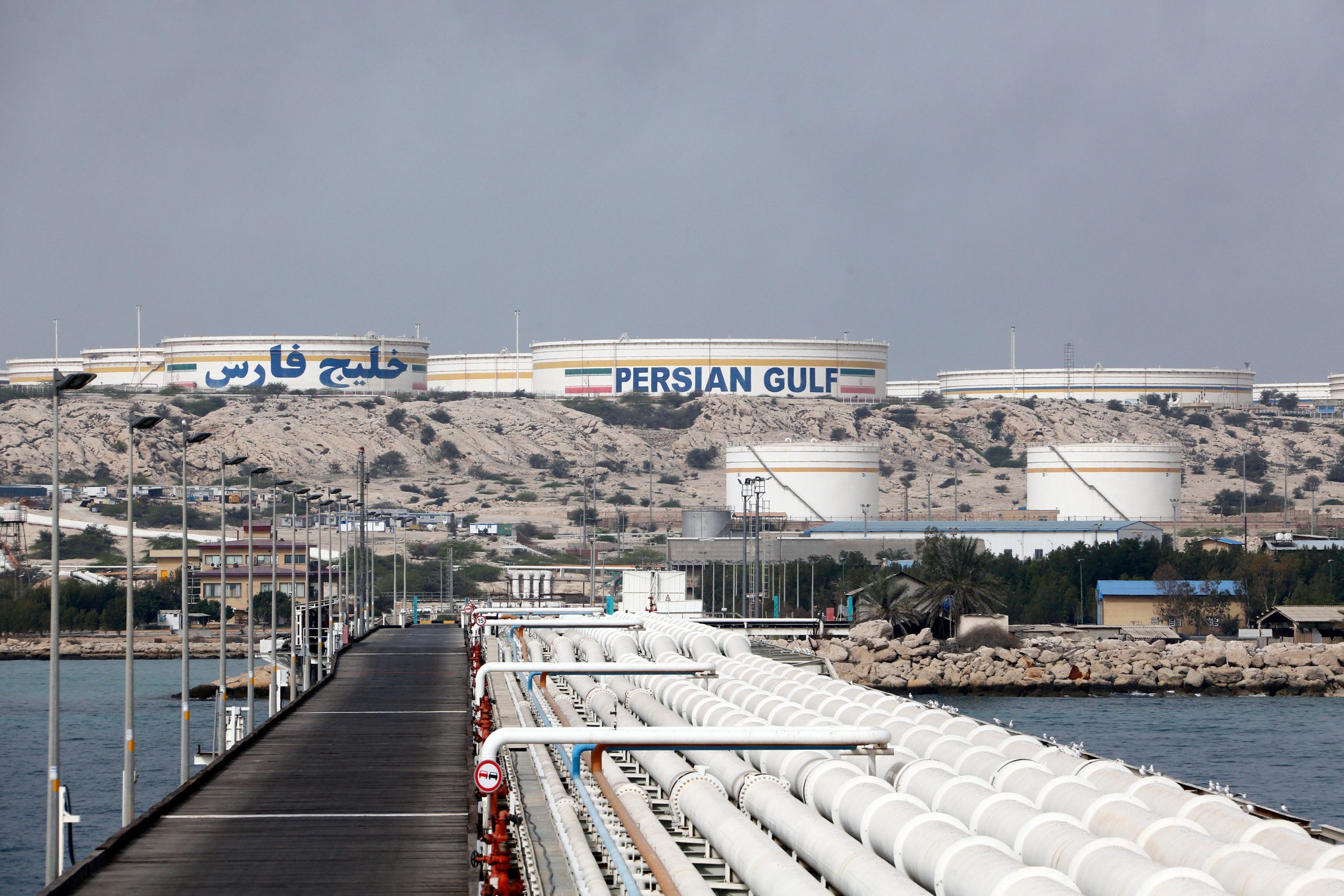
For decades, the United States has pursued the elusive goal of energy independence, a vision where domestic production shields the nation from the volatility of global energy markets. From the oil crises of the 1970s to President Trump’s ambitious push for “energy dominance,” the rhetoric has consistently focused on self-sufficiency. But is true energy independence achievable, or even desirable, in today’s interconnected world? Recent events, particularly tensions involving Iran, highlight the complexities and limitations of this concept.
Fracking Boom: A Shift in the Landscape
The shale revolution, driven by advancements in fracking technology, has undeniably transformed the U.S. energy landscape. The nation now stands as the world’s leading oil producer, exporting more petroleum and liquid fuels than it imports. On the surface, this seems like a resounding victory for energy independence, fulfilling the long-held aspiration of reducing reliance on foreign sources. However, a closer examination reveals that this “dominance” doesn’t insulate the U.S. from the ripple effects of global events.
Global Markets and Pump Prices
Despite being a major energy producer, the price Americans pay at the gas pump remains inextricably linked to global market dynamics. Geopolitical instability, such as the recent attacks involving the U.S., Israel, and Iran, can instantly impact oil prices worldwide. Even with abundant domestic production, these global disruptions can lead to price increases, demonstrating the limitations of energy independence in a world where supply chains and market forces are interconnected. The U.S. might be less dependent on direct imports from specific countries, but it cannot escape the influence of global events on its energy costs.
Beyond Fossil Fuels: A Path to True Independence?
The pursuit of energy independence shouldn’t solely focus on fossil fuel production. A more sustainable and resilient approach involves diversifying energy sources, investing in renewable energy technologies, and promoting energy efficiency. By reducing overall energy consumption and transitioning to cleaner alternatives like solar, wind, and geothermal, the U.S. can lessen its vulnerability to global market fluctuations and geopolitical tensions. This shift towards a diversified energy portfolio represents a more genuine path towards energy security and a reduced reliance on volatile global markets.
Conclusion: Rethinking Energy Independence
The notion of complete energy independence may be a rhetorical ideal rather than a practical reality. While increased domestic production offers significant benefits, it doesn’t shield the U.S. from the interconnectedness of the global energy market. A more realistic and effective strategy involves embracing energy diversification, investing in renewables, and recognizing the importance of international cooperation in ensuring a stable and sustainable energy future. True energy security lies not in isolation, but in a balanced and resilient approach that acknowledges the complexities of the global energy landscape.
Based on materials: Vox



