
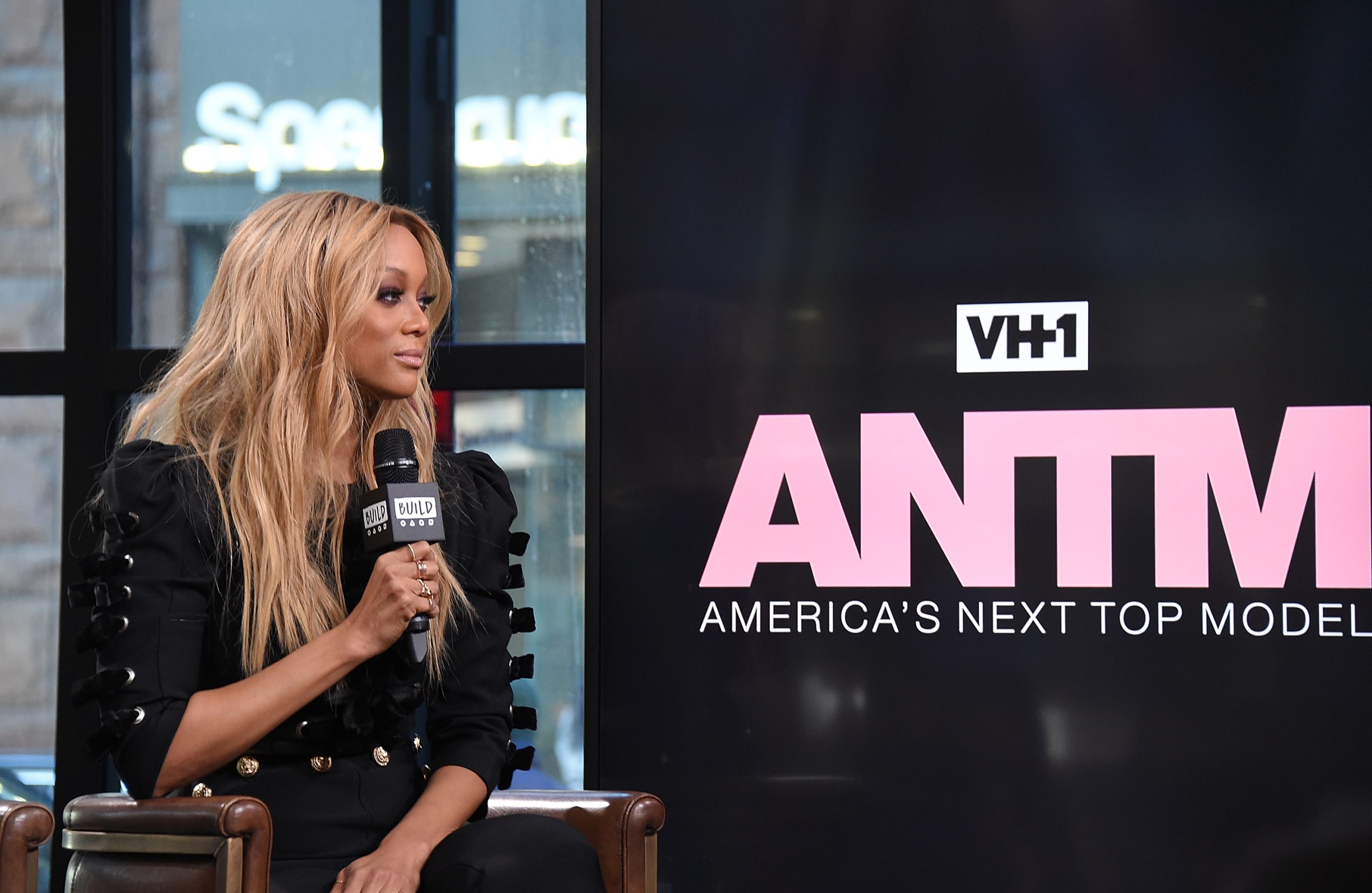
“ANTM” Exposed: New Doc Reopens Wounds, Sparks Debate
Twenty years after its debut, “America’s Next Top Model” (ANTM) is back in the spotlight, but not for a runway revival. A new documentary, “Reality Check: Inside America’s Next Top Model,” is prompting a critical re-examination of the show’s legacy, stirring debate about its impact on beauty standards, body image, and the very nature of reality television. The documentary forces viewers to confront uncomfortable truths about a program that once captivated millions.
Revisiting the Runway: A Changed Perspective
Premiering in 2002, ANTM, helmed by Tyra Banks, quickly became a cultural phenomenon. It helped pave the way for the reality TV boom. But what was once considered groundbreaking is now viewed through a much more critical lens. The documentary revisits controversial moments, prompting questions about the show’s messaging around race, body size, and mental health. Today’s audiences, more attuned to issues of inclusivity and social responsibility, are finding aspects of the show deeply problematic. Some challenges and judging criteria, for instance, are now seen as promoting unrealistic and even harmful ideals.
Accountability in the Age of Awareness
The central question the documentary raises is: how much accountability can we demand from those who shaped a show that reflected, and arguably amplified, societal biases? The documentary features interviews with Banks, collaborators, and former contestants, offering diverse perspectives on the show’s creation and its lasting effects. While some defend ANTM as a product of its time, others argue that its creators had a responsibility to challenge, rather than reinforce, harmful stereotypes.
Beyond the Catwalk: A Cultural Reckoning
“Reality Check” isn’t just about ANTM; it’s about the evolution of our understanding of media influence. It forces us to consider how reality television, with its constructed narratives and often exploitative practices, has shaped our perceptions of beauty, success, and even ourselves. The documentary arrives at a time when the public is demanding greater transparency and ethical considerations from the entertainment industry, making it a timely and relevant contribution to the ongoing conversation about media responsibility.
The documentary serves as a potent reminder that what entertains us can also shape us, and that even seemingly harmless reality TV can have profound and lasting consequences.
Based on materials: Vox



