
The Buzz is Fading: Insect Farming Industry Struggles to Take Flight
Remember the hype? The promise of a sustainable future fueled by crickets and mealworms? For years, proponents have touted insect farming as a revolutionary solution to global food security and environmental concerns. Dutch entomologist Marcel Dicke’s 2010 TED Talk, advocating for insect consumption due to their low carbon footprint compared to traditional livestock, sparked considerable interest. The United Nations followed suit in 2013, publishing a report highlighting insects as an eco-friendly food source for both humans and animals. This generated excitement and investment, leading to the rise of insect farming startups. But the anticipated insect revolution is facing some serious headwinds.
From Lab to Table: Hurdles in Scaling Up
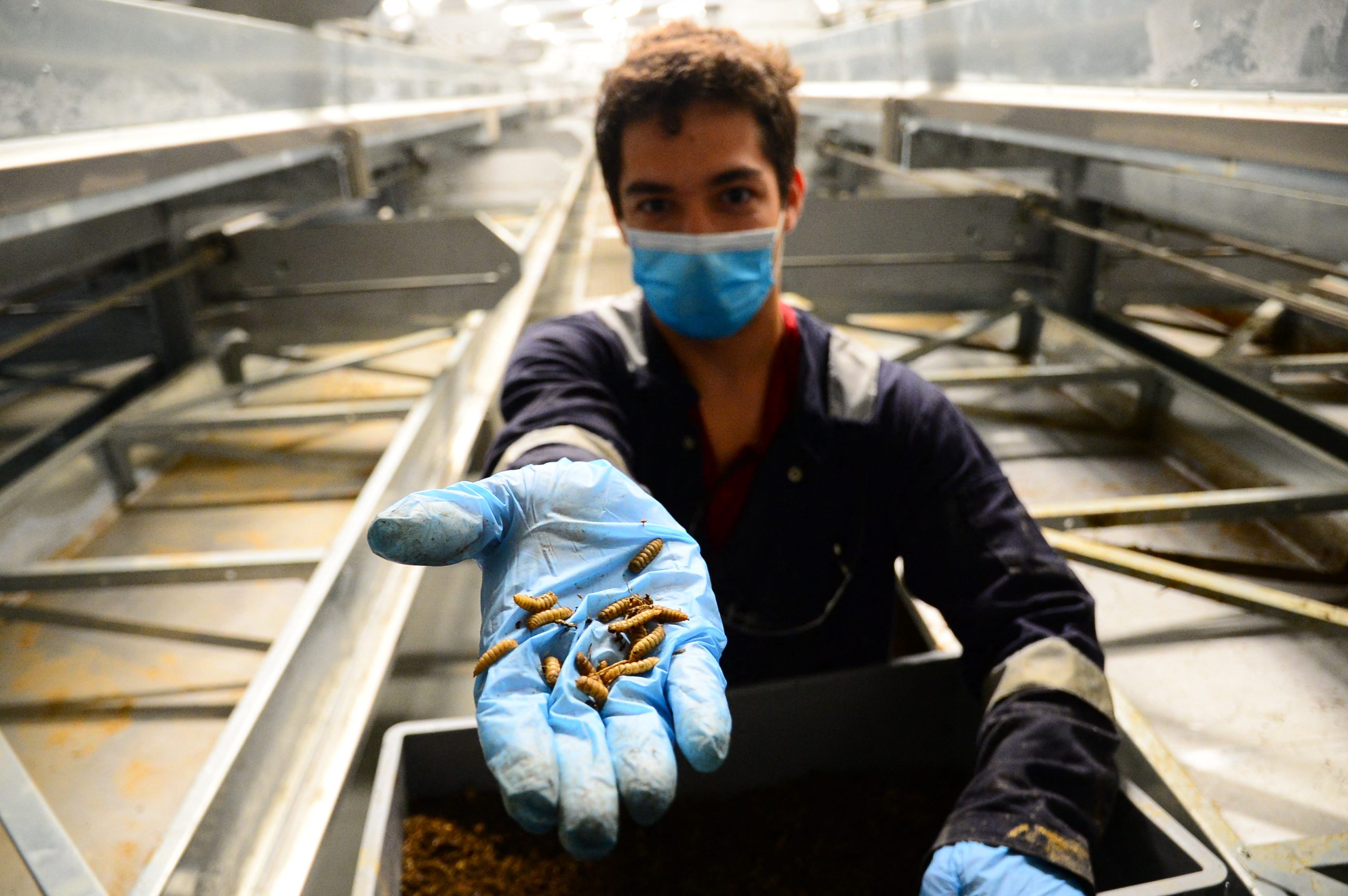
The initial excitement surrounding insect farming stemmed from the compelling argument that insects are a far more sustainable protein source than beef, pork, or chicken. Insects require less land, water, and feed, and they produce significantly fewer greenhouse gas emissions. Early-stage companies like Protifly in France emerged, focusing on breeding insects like black soldier fly larvae for animal feed and potentially, human consumption. However, the path from a promising concept to a thriving industry has proven more challenging than anticipated.
One major hurdle is consumer acceptance. While some cultures have a history of entomophagy (eating insects), most Western consumers remain squeamish about the idea. Overcoming this cultural barrier requires significant marketing efforts and innovative product development to make insects more palatable and appealing. Another challenge lies in scaling up production. Insect farming requires specialized infrastructure, optimized breeding techniques, and efficient processing methods. Maintaining profitability while meeting the demands of a growing market is proving difficult for many startups.
Crunch Time: What’s Next for Insect Farming?
The struggles faced by insect farming companies don’t necessarily signal the end of the industry. Instead, they highlight the need for a more pragmatic approach. Further research and development are crucial to improve farming efficiency, reduce production costs, and develop innovative insect-based products that appeal to a wider audience. Government support, through research funding and regulatory frameworks, can also play a vital role in fostering the growth of the industry.
The long-term success of insect farming depends on addressing the challenges of consumer acceptance, production scalability, and economic viability. While the initial hype may have faded, the potential benefits of insect farming as a sustainable food source remain significant. The industry needs to adapt, innovate, and demonstrate its value proposition to overcome its current hurdles and achieve its full potential.
Based on materials: Vox



