
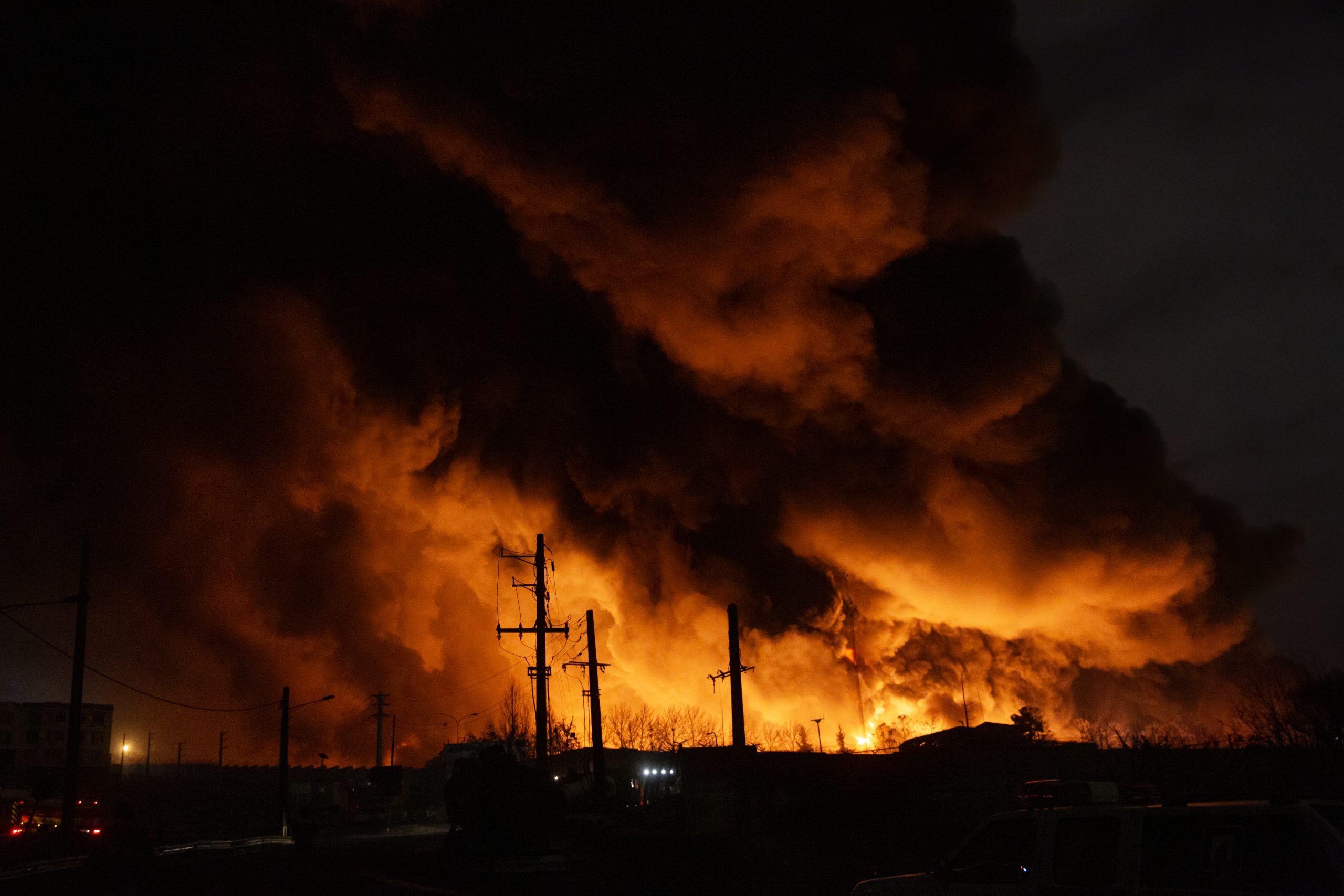
Global Oil Supply Gripped by Crisis as Hormuz Strait Faces Closure
The nightmare scenario long dreaded by energy markets has materialized: escalating conflict in Iran threatens to choke off the Strait of Hormuz, a vital artery for global oil and natural gas supplies. Following reported US and Israeli attacks on Iranian soil, including a devastating fire at the Shahran oil depot in Tehran, the region teeters on the brink of wider conflict. The implications for the world economy are dire, with oil prices already surging and anxieties mounting over potential shortages.
Decades of Fear, Now a Stark Reality
For decades, energy traders have held a collective breath, fearing the day when geopolitical instability would sever the Strait of Hormuz. This narrow waterway, linking the vast oil reserves of the Persian Gulf to global markets, handles approximately one-third of the world’s seaborne oil exports and a fifth of its natural gas shipments daily. Iran has historically brandished the threat of closure, but the potential self-inflicted economic damage kept such a move in the realm of “tail risk”—a low-probability, high-impact event.
However, the calculus has shifted dramatically. With the Shahran oil depot ablaze and tensions escalating, the possibility of Iran acting on its long-standing threat has become frighteningly real. The closure of the Strait would not only disrupt global energy flows but also trigger a cascade of economic consequences, impacting everything from transportation costs to manufacturing output.
Ripple Effects and Uncertain Future
The immediate impact of the escalating crisis is already being felt at the pump, with oil prices spiking as markets react to the heightened risk. Gulf state producers are under immense pressure to increase output, but the potential for further escalation and disruption looms large. The long-term consequences are even more uncertain. A prolonged closure of the Strait of Hormuz could lead to a global recession, exacerbate existing inflationary pressures, and force countries to scramble for alternative energy sources.
The crisis also highlights the vulnerability of the global economy to geopolitical shocks and the need for greater energy diversification. While renewable energy sources offer a long-term solution, the immediate challenge is to manage the fallout from a potential supply crunch and mitigate the economic damage. The coming weeks and months will be critical in determining whether the world can avert a full-blown energy crisis or if it will succumb to the economic and political turmoil unleashed by the conflict in Iran.
CONCLUSION:
The potential closure of the Strait of Hormuz represents a significant threat to global stability. The international community must act decisively to de-escalate tensions and ensure the free flow of energy resources, averting a potentially catastrophic economic crisis.
Based on materials: Vox



