
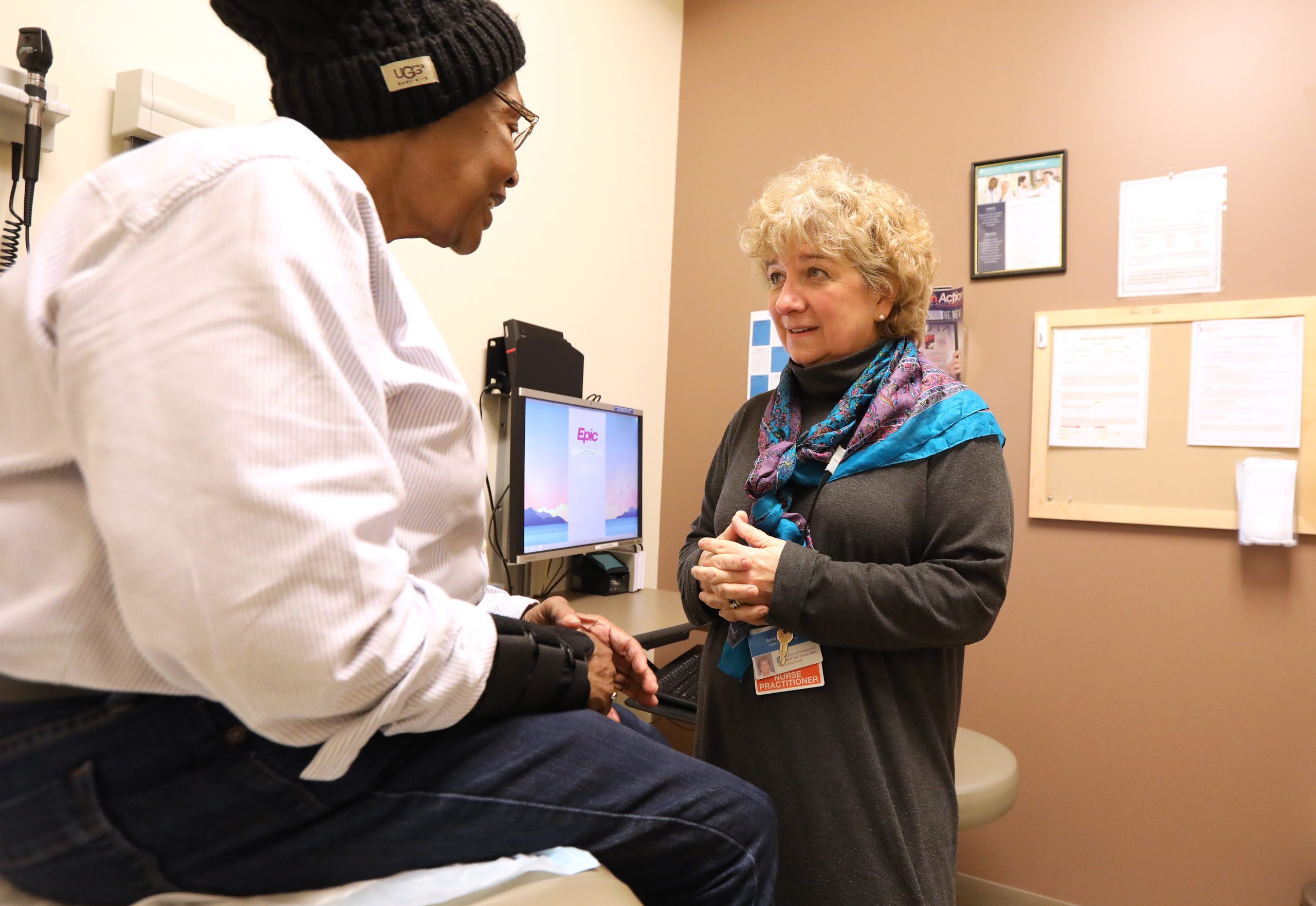
The American healthcare landscape is undergoing a significant transformation, driven by a growing reliance on Nurse Practitioners (NPs) to bridge critical service gaps. With a persistent doctor shortage plaguing the nation, the rise of NPs and Physician Assistants (PAs) signals a potential reshaping of primary care and beyond. But what does this shift truly mean for patients and the future of medicine?
Filling the Doctor Gap: NPs Step Up
For years, the United States has grappled with a shortage of physicians (MDs and DOs), particularly in rural and underserved communities. This scarcity has led to longer wait times for appointments, limited access to care, and increased strain on existing healthcare professionals. Enter the Nurse Practitioner. These highly trained professionals are stepping into the breach, providing a wide range of medical services that traditionally fell solely within the purview of doctors.
The scope of practice for NPs is also expanding across the country. Many states are granting them broader licenses, allowing them to practice independently, prescribe medications, and even establish their own clinics. This increased autonomy empowers NPs to provide comprehensive care, often mirroring the services offered by traditional family doctors. The result? More accessible and timely healthcare for patients, especially those struggling to find a primary care physician. You may find an NP running the minute clinic at your local pharmacy, or be seen by an NP during a hospital stay.
Understanding the Credentials: NP vs. MD
The alphabet soup of medical credentials can be confusing for patients. MDs (Medical Doctors) and DOs (Doctors of Osteopathic Medicine) undergo extensive medical school training and residency programs. NPs, on the other hand, are registered nurses with advanced education and clinical training, typically holding a Master’s or Doctorate degree in Nursing.
While the training pathways differ, NPs are qualified to diagnose and treat illnesses, order and interpret tests, prescribe medications, and manage patients’ overall health. Studies have shown that the quality of care provided by NPs is comparable to that of physicians, with some research even suggesting that NPs may excel in areas such as patient communication and preventive care.
A New Era for Healthcare Access?
The increasing presence of NPs represents a promising solution to the healthcare access challenges facing the United States. By leveraging the skills and expertise of these highly qualified professionals, the healthcare system can expand its capacity, reduce wait times, and improve patient outcomes.
However, it’s crucial to ensure that NPs are integrated effectively into the existing healthcare framework. Collaboration between NPs and physicians, clear guidelines for scope of practice, and ongoing education are essential to maintaining high standards of care and fostering a seamless patient experience. As the healthcare landscape continues to evolve, the role of Nurse Practitioners will undoubtedly become even more prominent, shaping the future of medicine in America.
Based on materials: Vox



