
Trump’s Cuba Policy: Ideology, Pressure, and Potential Talks
The Trump administration’s stance on Cuba has been a consistent point of focus, marked by increased pressure and a clear ideological agenda. While the future remains uncertain, recent developments suggest a potential shift towards dialogue, albeit under strained circumstances. This article explores the key factors driving the administration’s Cuba policy and the implications of potential negotiations.
Rubio’s Influence and the Ideological Underpinnings
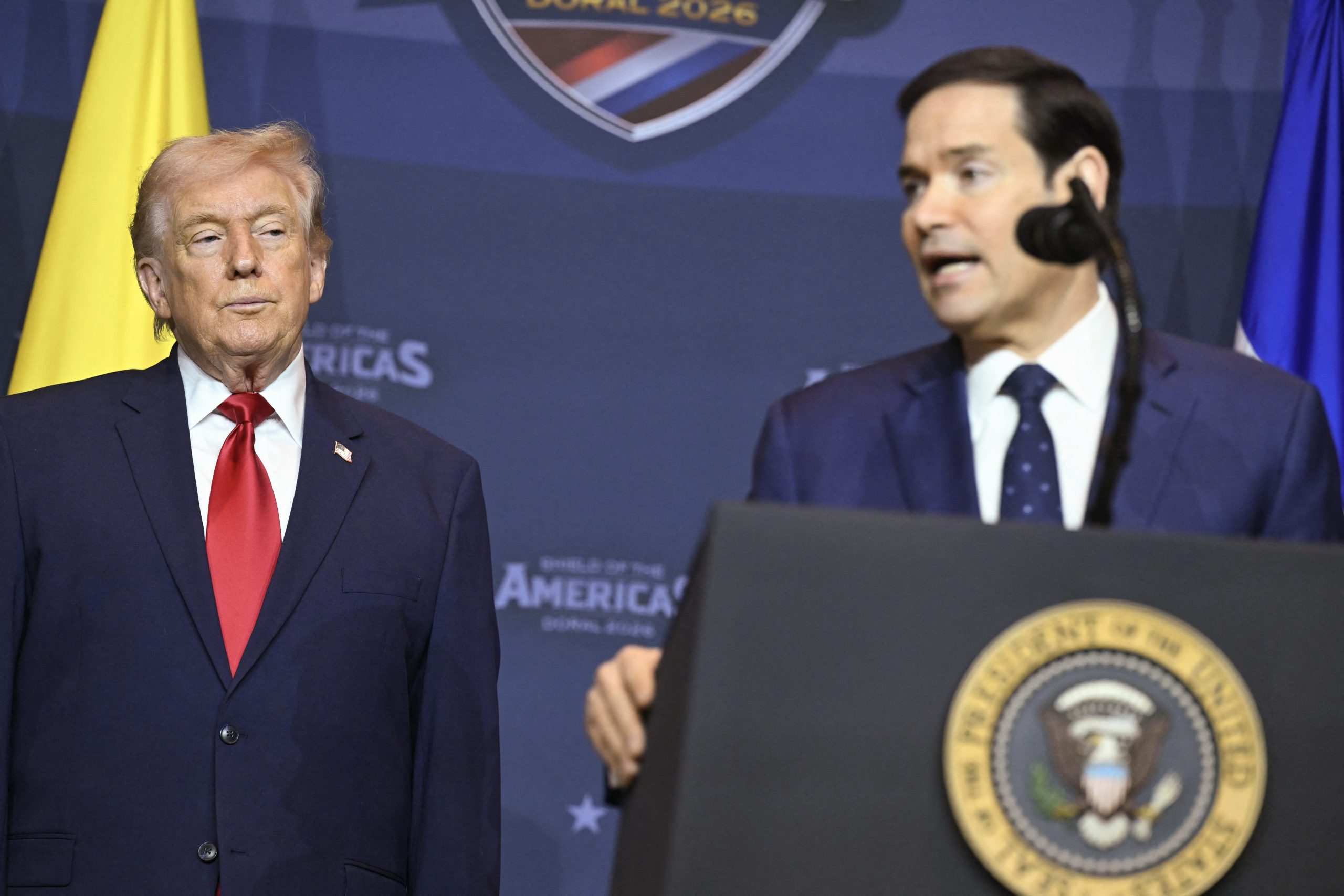
At the heart of the Trump administration’s Cuba policy lies the strong influence of Secretary of State Marco Rubio. Rubio’s long-standing stance against the Cuban regime has heavily shaped the administration’s approach, framing it as an ideological battle. This perspective has led to a tightening of economic sanctions and increased diplomatic pressure on the island nation. The administration views its actions as a way to promote democracy and human rights in Cuba, while also addressing perceived security concerns.
Mounting Pressure and the Cuban Response
For months, the Trump administration has been ratcheting up the pressure on Cuba, leading to increasingly dire conditions on the island. This pressure, including economic sanctions and travel restrictions, has had a significant impact on the Cuban economy and the daily lives of its citizens. In response to this escalating pressure, Cuban President Miguel Díaz-Canel announced that his government is engaged in talks with the United States to seek “solutions” to the challenging situation. While the specifics of these talks remain unclear, they represent a potential shift in dynamics, suggesting a willingness to engage in dialogue despite the strained relationship.
Uncertainty and Potential Outcomes
The outcome of these talks remains highly uncertain. The Trump administration’s hardline stance and Rubio’s strong ideological convictions could limit the scope of potential agreements. However, the dire economic situation in Cuba and the potential for further deterioration may create an impetus for both sides to find common ground. Any potential agreement would likely focus on addressing specific economic concerns, while the larger political and ideological differences remain unresolved. The situation underscores the complexities of US-Cuba relations and the challenges of navigating ideological divides.
In conclusion, the Trump administration’s Cuba policy is driven by a combination of ideological conviction and strategic pressure. While the recent announcement of talks offers a glimmer of hope for improved relations, the path forward remains uncertain. The influence of figures like Marco Rubio and the deep-seated ideological differences between the two nations will continue to shape the future of US-Cuba relations.
Based on materials: Vox



