
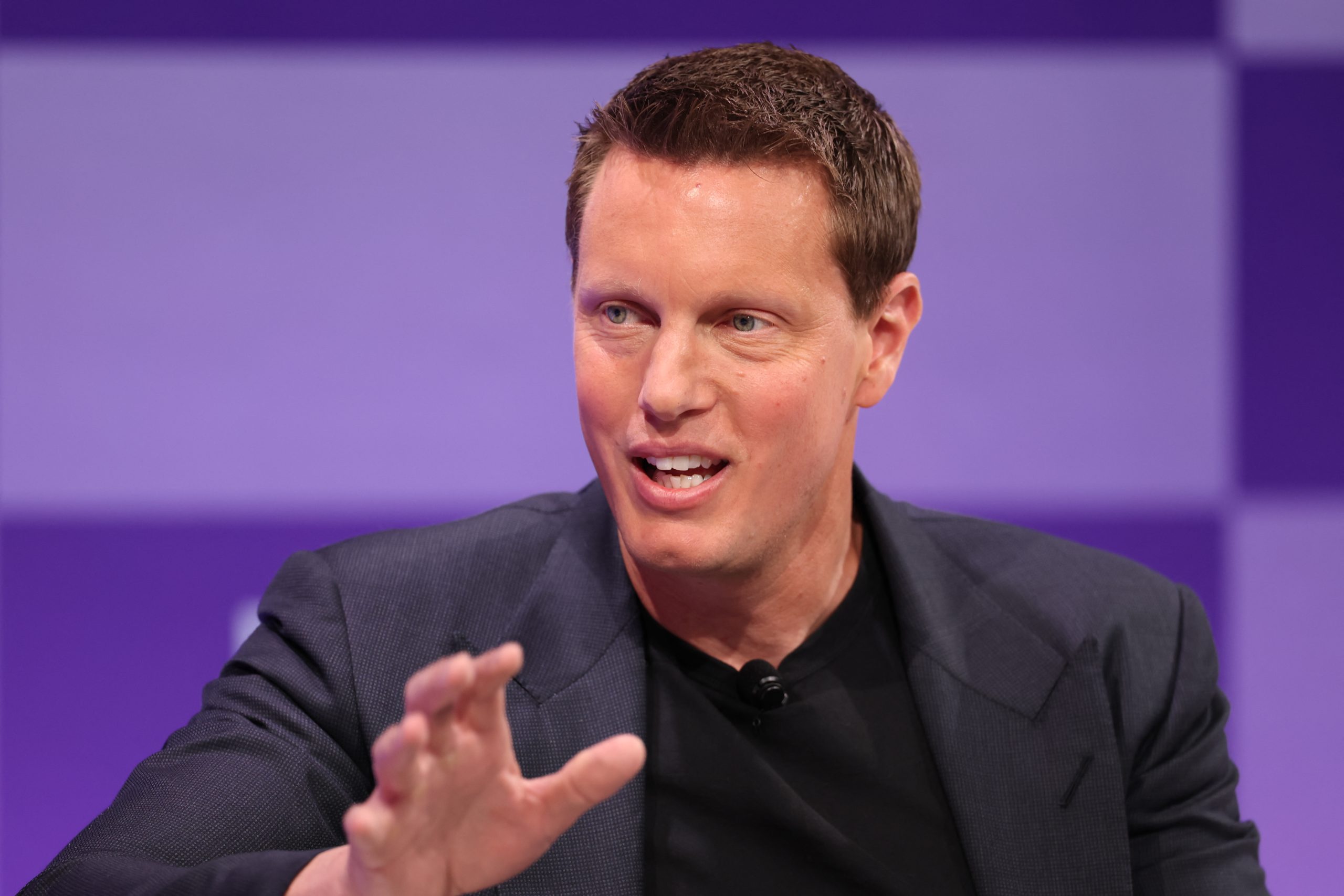
Hollywood is bracing for a seismic shift as David Ellison, the head of Skydance Media and son of Oracle titan Larry Ellison, positions himself as a major force in the entertainment industry. Fresh off acquiring Paramount, Ellison has now reportedly outmaneuvered streaming giant Netflix to absorb Warner Bros., a move that sends ripples of uncertainty and anticipation throughout the creative landscape. But can Ellison, whose track record in film production is viewed with skepticism by some, successfully navigate the complexities of managing two storied Hollywood studios?
A Checkered Past, A Bold Future?
Ellison’s ambition is undeniable, but the potential merger raises serious questions about the future of both Paramount and Warner Bros. Industry insiders are already bracing for the inevitable fallout: widespread layoffs, departmental restructuring, and, potentially, a significant reduction in the number of films released each year. While Ellison has publicly stated his intention to produce as many as 30 theatrical releases annually, the reality of merging two massive organizations often necessitates stringent cost-cutting measures.
The Consolidation Conundrum
The proposed merger highlights a growing trend in Hollywood: consolidation. As studios grapple with shifting consumer habits, the rise of streaming services, and the lingering effects of the pandemic, many are seeking strength in numbers. However, this trend comes at a cost. Fewer studios mean fewer opportunities for independent filmmakers, less diversity in storytelling, and a potential homogenization of content. The sheer scale of the merged entity also raises concerns about its ability to innovate and adapt to the ever-changing demands of the entertainment market.
Beyond the Bottom Line: The Human Cost
Beyond the financial implications, the human cost of such a large-scale merger cannot be ignored. Layoffs will undoubtedly impact countless individuals, disrupting careers and livelihoods. The pressure to maximize profits could also lead to a decline in creative risk-taking, as studios prioritize proven formulas over original ideas. The long-term impact on the quality and diversity of Hollywood’s output remains to be seen. As Ellison assumes control of these iconic studios, his leadership will be crucial in determining whether this merger becomes a story of triumph or a cautionary tale of unchecked ambition.
Conclusion
David Ellison’s rapid ascent in Hollywood represents a pivotal moment for the industry. The merger of Paramount and Warner Bros. promises significant change, but whether that change will be positive remains to be seen. The future of these studios, and the countless individuals who work within them, now rests on Ellison’s shoulders. The industry will be watching closely to see if he can deliver on his promises and guide these iconic brands into a new era of success.
Based on materials: Vox



